

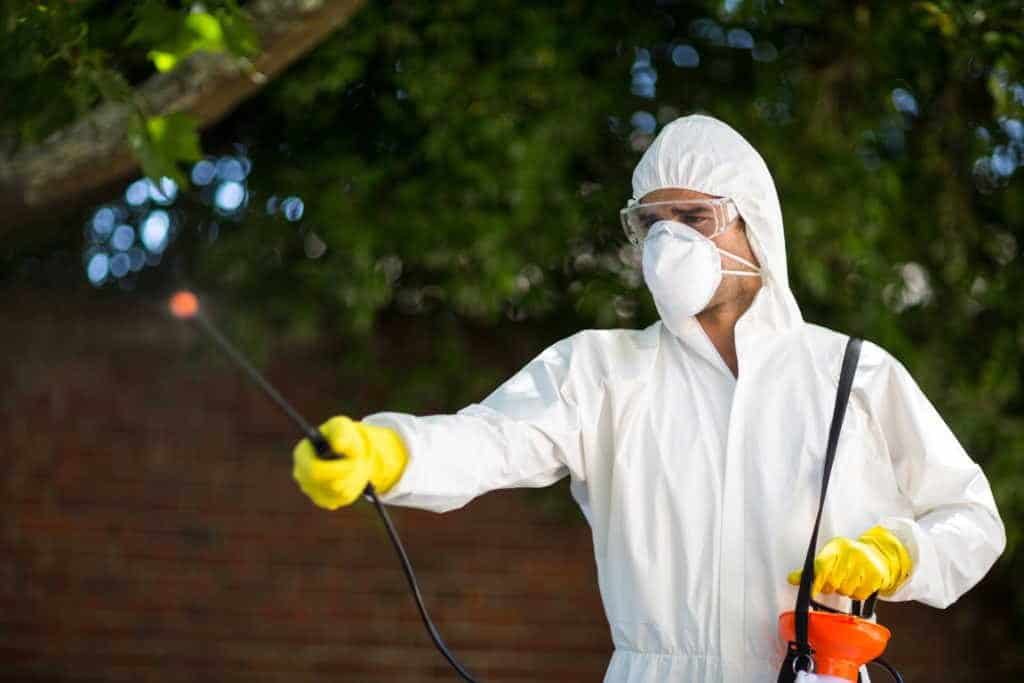
Dealing with pests is an essential requirement for maintaining a healthy, secure, and comfortable living environment. Effective pest management protects human health, preserves the structural integrity of residential and commercial properties, and minimizes unnecessary chemical damage to surrounding ecosystems. Understanding why pest control matters allows property owners to take informed, proactive steps rather than reacting to severe infestations after major damage has already occurred.
Understanding Pest Control and Modern Challenges
Pest control refers to the systematic regulation or management of any animal or plant species deemed detrimental to human welfare, property, or the environment. Modern pest management goes far beyond simply applying chemical sprays when bugs appear; it involves comprehensive monitoring, habitat modification, and modern exclusionary techniques designed to keep unwanted wildlife and insects out permanently. Changing climate patterns, including longer and warmer seasonal cycles, have expanded the active habitats of common disease vectors like mosquitoes and ticks, making structured pest prevention more critical than ever before.
Furthermore, residential and commercial properties face constant evolutionary pressures from resilient pest strains that have developed chemical tolerances over decades. As urban development expands into rural fringes, local wildlife and native insects are displaced, driving higher frequencies of contact between human populations and disease-carrying vectors. Consequently, contemporary property management requires a sophisticated understanding of biological cycles, seasonal behavioral patterns, and building science to ensure long-term habitability.
Addressing these modern environmental shifts also demands a broader look at overall building maintenance and hygiene. For instance, managing indoor moisture levels through proper ventilation and structural sealing directly influences how pests establish themselves inside walls and basements. Property owners often find that keeping living spaces dry and properly sealed is just as vital as applying treatments, as highlighted in related building maintenance strategies and our resource on controlling indoor humidity to improve air quality and health.
The Hidden Risks of Pest Infestations
Pest infestations pose severe, multi-faceted risks that extend well beyond a simple household nuisance. Recognizing these hidden dangers helps property owners appreciate why timely and thorough intervention is necessary:
Health Hazards: Many common insects and rodents act as vectors for dangerous pathogens that can incapacitate household members. Mosquitoes transmit serious illnesses like West Nile virus or dengue fever, while rodent droppings and urine can spread hantavirus, leptospirosis, and salmonella across kitchen spaces. Furthermore, cockroach allergens and shed insect dander frequently trigger or worsen chronic respiratory conditions such as asthma, particularly in young children and elderly residents who spend significant time indoors.
Property Damage: Wood-destroying organisms like subterranean termites, carpenter ants, and certain wood-boring beetles can silently hollow out structural framing over several years, leading to immense repair bills that compromise building safety. Simultaneously, rodents possess continuously growing incisors that compel them to chew through electrical insulation, drywall, and plastic plumbing pipes, creating substantial fire hazards and costly water damage risks.
Food Contamination: Pests such as houseflies, ants, and mice routinely forage through waste, trash receptacles, and sewers before contacting pantry goods and food preparation surfaces. This direct transfer of bacteria leads to foodborne illnesses and ruined food supplies. In commercial venues like restaurants, cafes, and food processing facilities, a single pest sighting can destroy a business reputation and result in severe regulatory fines or mandatory health department closures.
Psychological Impact: Living with an active infestation induces chronic stress, anxiety, and sleep disruption. The constant worry about hidden bugs, nighttime scratching sounds, or biting insects erodes mental well-being, turning a personal sanctuary into a source of ongoing tension and daily discomfort.
Core Strategies Used in Modern Pest Management
Property managers choose from several distinct control methods depending on the pest species, the severity of the invasion, and local environmental conditions. Modern pest control blends these methods through Integrated Pest Management to maximize effectiveness while minimizing ecological harm.
Chemical control utilizes targeted pesticides, baits, or repellents to eliminate active populations quickly. While effective, professional standards emphasize low-toxicity formulations and precise application to prevent harm to humans, domestic pets, and beneficial non-target organisms like pollinators.
Biological control relies on introducing natural predators, parasites, or pathogens to regulate pest populations organically. For example, releasing beneficial insects into agricultural or garden settings keeps destructive aphids under control without chemical intervention.
Mechanical and physical control involves physical barriers or specialized trapping devices. Examples include installing fine-mesh window screens, deploying electronic monitoring traps for rodents, and sealing foundation cracks with modern expandable polyurethane foams and durable steel mesh.
Cultural control centers on modifying human habits and immediate surroundings to discourage pest activity. Proper sanitation, eliminating standing water, and storing dry goods in heavy-duty airtight containers naturally starve out potential invaders.
Integrated Pest Management (IPM) represents the gold standard of modern pest control. IPM combines regular population monitoring, habitat alterations, and biological strategies, only resorting to chemical treatments as a measured last defense.
Practical Tips for Maintaining a Pest-Free Environment
Preventing an infestation requires consistent daily habits and seasonal home maintenance routines that remove the basic resources pests need to survive. Keeping kitchen counters clean, sweeping food crumbs from dining areas, and emptying indoor garbage bins daily eliminates easy food sources. Homeowners should also inspect exterior foundations, doors, and window frames annually, sealing any gaps or utility penetrations immediately. Eliminating standing water in clogged roof gutters, birdbaths, and outdoor plant saucers prevents mosquitoes from breeding right outside your door.
When to Call Professional Pest Control Services
Professional intervention becomes necessary when DIY preventive measures fail to stop an established colony or when dealing with dangerous pests like stinging insects, venomous spiders, or destructive termites. Licensed pest control technicians possess specialized diagnostic tools, commercial-grade safety equipment, and deep knowledge of insect biology. They can accurately identify the root cause of an infestation, locate hidden nesting sites, and apply targeted treatments safely within occupied buildings.
Frequently Asked Questions About Pest Control
What is the main goal of Integrated Pest Management?
The primary goal of Integrated Pest Management is to manage pest populations effectively while minimizing chemical reliance, environmental degradation, and long-term costs.
How often should a home undergo professional pest inspections?
Most residential properties benefit from a comprehensive professional inspection at least once a year, or biannually in regions with high termite and rodent pressure.
Are DIY pest control products as effective as professional services?
Over-the-counter sprays usually only kill visible surface insects and fail to eliminate hidden nests, whereas professionals use advanced baiting and extraction methods for total eradication.
What are the most common signs of a hidden termite infestation?
Common indicators include mud tubes along foundation walls, hollow-sounding timber when tapped, discarded translucent wings, and doors or windows that suddenly stick.
Can natural home remedies completely replace professional pest control?
Natural remedies like essential oils or vinegar can deter minor occasional invaders, but they rarely solve major structural infestations or established rodent nesting problems.
How does climate change influence local pest populations?
Warmer temperatures and milder winters allow pest species to reproduce more rapidly and expand their geographical ranges into previously unaffected regions.
Is chemical pest control always dangerous to household pets?
When applied according to label instructions by certified technicians and allowed proper drying or settling time, modern treatments pose minimal risk to domestic animals.
Disclaimer: Pest control regulations, chemical availability, and local pest pressures vary significantly by region. The information provided in this guide is for educational purposes. Readers should consult certified local pest management professionals and official regulatory authorities for specific treatment recommendations tailored to their properties.

Daniel J. Morgan is the founder of Invidiata Magazine, a premier publication showcasing luxury living, arts, and culture. With a passion for excellence, Daniel has established the magazine as a beacon of sophistication and refinement, captivating discerning audiences worldwide.


