

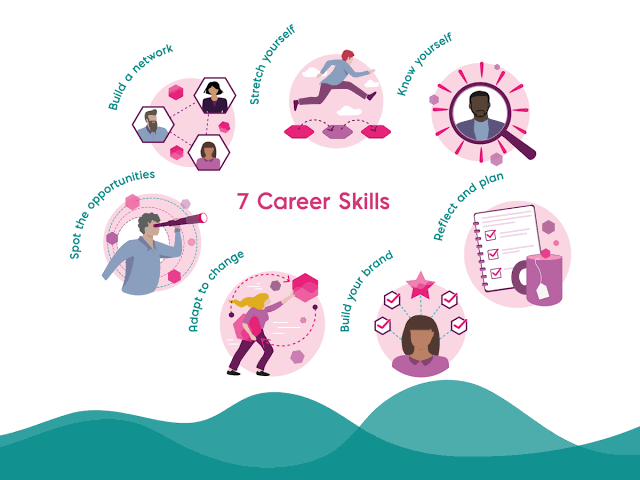
Gaining a competitive edge today hinges on continuous skill development and personal growth. Whether you are starting your career or transitioning into a new field, honing skills that enhance employability is vital. Career development is not just about accumulating new knowledge; it is also about applying that knowledge in practical, real-world situations. So, what makes skill development essential, and how can it truly shape your future?
Why Skill Development Matters More Than Ever Today
Navigating modern workplace shifts requires professionals to treat learning as an ongoing, strategic habit rather than a one-time educational milestone. As industries embrace automated workflows and hybrid collaboration models, traditional job duties transform rapidly. Workers who actively update their capabilities remain resilient against economic shifts and industry disruptions. Developing career skills ensures that your daily output stays aligned with what employers and clients value most.
In any profession, adaptability is essential. Technology and industries are constantly evolving, pushing job roles and workplace expectations to change as well. Professionals who stay current and can shift with these changes are more likely to succeed and enjoy sustained job satisfaction. Adaptation is not just about technical competencies; it includes soft skills like communication, teamwork, and problem-solving, which help people thrive in a wide range of environments.
By committing to ongoing learning, you cultivate a mindset that welcomes change as an opportunity. In turn, this mindset allows you to excel, whether in a start-up, a large corporation, or even as an independent entrepreneur.
Mastering the Balance: Technical Expertise Meets Essential Soft Skills
Combining hard technical talents with essential soft skills creates a well-rounded professional profile that modern hiring managers actively seek. Technical proficiencies allow you to execute job-specific duties with precision and accuracy. Meanwhile, emotional intelligence, active listening, and clear communication ensure that your technical contributions are understood and appreciated by colleagues and clients alike.
Professionals must intentionally cultivate both domains to avoid professional bottlenecks. Hard skills get you through the initial resume screening, but soft skills dictate how effectively you collaborate, lead cross-functional teams, and navigate high-pressure workplace challenges.
Accelerating Growth Through Real-World Experience and Placements
Bridging the gap between academic theory and daily workplace execution is best achieved through structured programs like Premium Graduate Placements. For students and recent graduates, securing a spot in such a program provides essential exposure to real-world applications in their chosen fields. Unlike theoretical knowledge, which can sometimes feel detached from everyday tasks, placements offer hands-on experience that bridges the gap between academic learning and professional practice.
In a placement, individuals work under the guidance of experienced industry professionals, contributing to projects and tackling real challenges. This exposure to workplace dynamics not only hones technical abilities but also builds confidence and encourages proactive problem-solving. By the end of a placement, participants are more prepared and have relevant experience that gives them a competitive edge when applying for jobs.
Building a Genuine Professional Network and Finding Mentors
Leveraging mentorship and professional peer networks provides insider guidance and opens doors to unadvertised opportunities that standard job boards miss. Networking exposes you to valuable industry information, while mentorship gives you direct insights from experienced professionals, helping you avoid common pitfalls and focus on proven strategies.
By connecting with both peers and seasoned professionals, you gain insights that are often unavailable through formal training alone. Networking and mentorship are powerful because they expose you to ideas and approaches that can inspire and guide your journey toward ambitious career goals.
Creating a Modern Personal Brand That Attracts Opportunities
Designing an authentic digital footprint and personal brand helps communicate your unique values, strengths, and goals in a crowded job market. Developing this brand may involve building an online presence, assembling a project portfolio, or writing about topics relevant to your industry. Your professional image should be authentic, aligned with your goals, and reflective of the specific competencies you bring.
A well-curated brand can make a significant impression on employers or clients, giving them insight into your working style and approach. Employers increasingly look beyond resumes, seeking candidates who exhibit passion, consistency, and dedication. Having a strong online profile or a personal website showcasing your expertise can help you stand out. Professionals who want to expand their digital footprint often find inspiration by studying how public figures build their reputation, much like examining Meredith Schwarz’s life and career to see how personal dedication shapes professional longevity.
Embracing Lifelong Learning to Future-Proof Your Career
Future-proofing your career path involves embracing micro-credentials, continuous certifications, and intentional skill stacking to prevent professional stagnation. Formal education is just the beginning of a professional journey. New developments, whether in technology, regulations, or trends, continually shape work environments. Lifelong learning helps you stay informed and demonstrates your willingness to evolve—a highly valued trait in the job market.
For those aiming for leadership roles or entrepreneurship, this mindset is especially valuable. Committing to ongoing education ensures that you never stop growing, adapting, and discovering new ways to add value to your organization or venture.
Conclusion and FAQs
Career success is not a fixed destination; it is a continuous journey of improvement, adaptability, and strategic networking. Building a strong foundation through education and placements sets you on the right path, but your long-term growth depends on your commitment to self-improvement and nurturing valuable connections.
Every aspect of developing career skills—from networking to personal branding—contributes to a more fulfilling professional path. By investing in these areas, you position yourself as a confident, adaptable professional ready for new opportunities and long-term success.
What are career skills?
Career skills are a combination of technical abilities and soft skills that enable an individual to perform their job effectively and advance professionally.
Why is adaptability important in career development?
Adaptability allows professionals to navigate changing industry standards, adopt new technologies, and maintain job satisfaction during transitions.
How do graduate placements help career growth?
Graduate placements bridge the gap between academic theory and daily workplace practice by providing hands-on experience under mentor supervision.
What is the role of networking in professional success?
Networking opens doors to hidden job opportunities, industry insights, and collaborative partnerships that formal education alone cannot provide.
How can I build a personal brand?
You can build a personal brand by maintaining an updated professional profile, showcasing a portfolio of your work, and sharing authentic industry insights online.
Is lifelong learning necessary after getting a degree?
Yes, because industries evolve constantly, and ongoing education ensures your skills remain relevant and competitive in the modern job market.
Disclaimer: The information in this guide is for educational and informational purposes only. Career strategies and job market conditions can vary; readers should evaluate their own goals and consult official career advisors for personalized guidance.

Passionate content writer and savvy blog publisher, Aamir crafts compelling stories and insightful articles that captivate and inform. With a knack for blending creativity and strategy, they bring fresh perspectives to every piece. Dive into their world of words and discover content that resonates.


[…] For nurses seeking additional ways to empower their long-term professional trajectory, exploring effective ways to build professional competency provides valuable broader […]
[…] For professionals looking to expand their skill sets further alongside building visibility, building foundational competencies can also transform your professional future, as outlined in our guide on effective ways to build professional competency. […]
[…] lasting professional competencies that withstand these volatile moments, professionals can explore how developing career skills can transform your future across both technical and human […]