
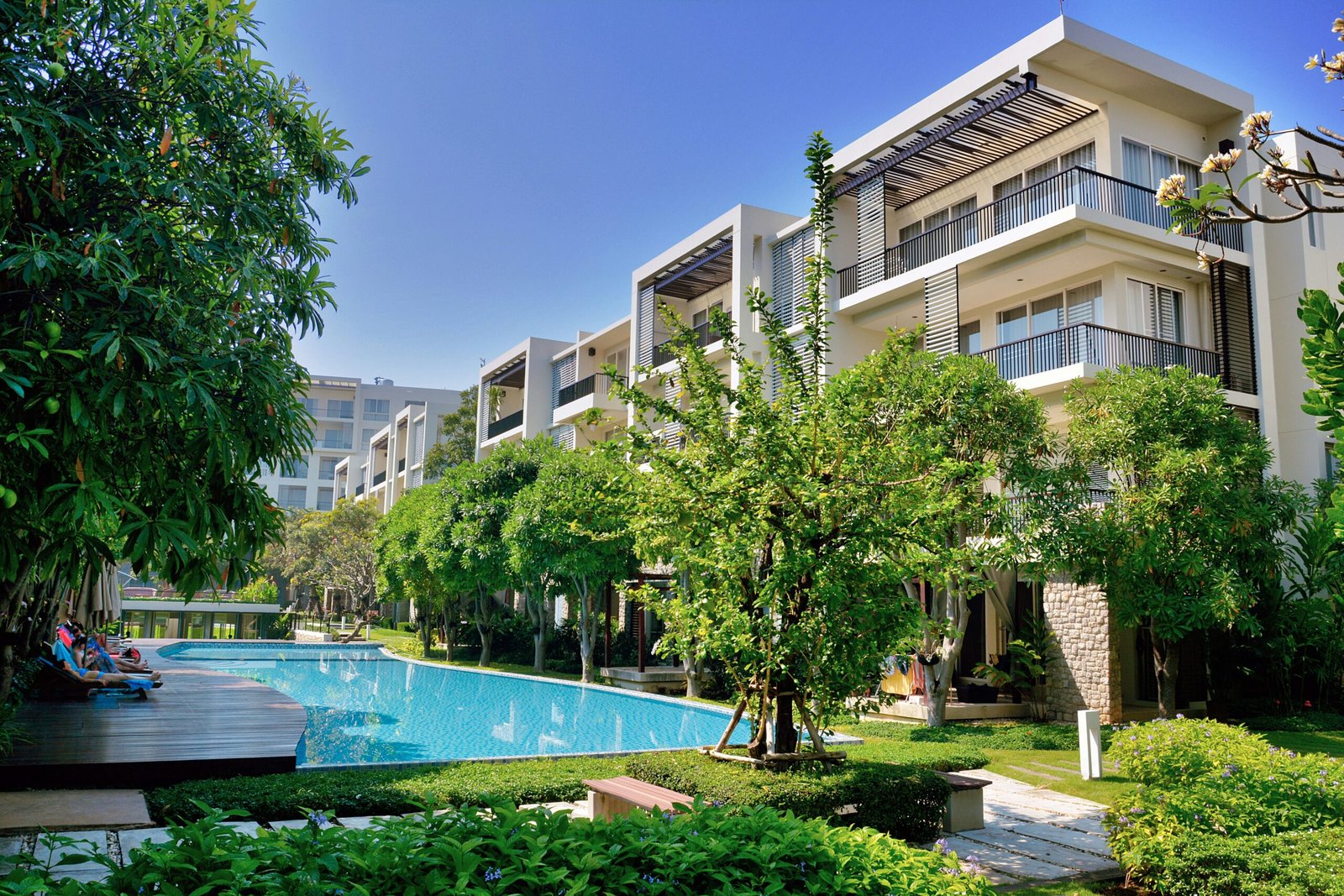
Saving money for the future often leads people to imagine escaping to warm tropical coasts for long holidays or retirement. While booking hotels or resorts repeatedly works for short visits, frequent travelers soon realize that transient lodging drains resources without building any lasting personal assets. Establishing a permanent residence in Southeast Asia creates a reliable personal retreat and a smart financial foothold. Whether you are drawn to the dynamic energy of Bangkok or emerging coastal shores, securing a residential unit in the Land of Smiles unlocks exceptional long-term flexibility.
Transitioning From Temporary Hotels to Permanent Property Ownership
Moving away from temporary vacation rentals and acquiring a private apartment changes how you experience the country while eliminating recurring nightly accommodation expenses.
Arriving in a foreign destination with your own keys transforms travel from a logistical hurdle into a seamless homecoming. You no longer face seasonal price hikes or the uncertainty of availability during peak tourism months. Instead, you step directly into a fully furnished space tailored precisely to your personal standards. Beyond immediate comfort during holidays, this personal footprint serves as an anchor for longer stays, allowing you to settle into local neighborhoods, build routines, and truly understand regional transport networks without the pressure of a checkout date looming.
1. Straightforward Legal Frameworks for Foreign Freehold Titles
Foreign nationals can purchase condominium units under direct freehold titles thanks to specific provisions outlined in national property legislation.
The legal framework allows international buyers to hold up to forty-nine percent of the total residential floor space in any registered building in their own name. This ensures you receive an official government-issued title deed representing absolute ownership rather than a complex leasehold agreement. To qualify for this direct registration, purchase capital must originate from abroad and enter the country in a foreign currency. Local commercial banks then issue an official foreign exchange transaction certificate, which verifies compliance with national banking rules and is presented directly to the local land office during transfer.
2. Generating Passive Income Through Professional Leasing Support
Property management agencies make it simple to rent out your apartment to travelers or long-term residents when you are away from the country.
Owning property abroad often raises concerns about tenant communication and maintenance oversight, but established developments typically provide on-site operational teams to handle these responsibilities. These operators manage key handovers, cleaning services, and routine repairs, effectively turning your personal holiday home into a revenue-generating asset. Many owners rely on professional management support to navigate local rental demand and maximize occupancy rates. This steady stream of rental income helps cover monthly maintenance fees and utilities, offsetting the overall cost of ownership.
3. Modern Digital Infrastructure and Daily Living Amenities
Modern residential complexes feature high-speed fiber internet, security systems, and communal amenities that support a productive remote work lifestyle.
Today’s condominium projects are designed with the needs of global professionals and retirees in mind, offering dedicated co-working areas, fitness centers, swimming pools, and round-the-clock security. Instead of struggling with unstable hotel Wi-Fi or working from crowded cafes, you can establish an ergonomic home office and cook meals in a private kitchen. This reliable infrastructure allows digital nomads to maintain their careers overseas while enjoying a tropical climate during off-hours. Furthermore, having a secure building entrance and private locking door provides complete peace of mind whenever you travel elsewhere in the region.
4. Tangible Asset Protection and Long-Term Value Appreciation
Real estate acquisitions in well-maintained urban or coastal developments tend to appreciate steadily over time, offering a reliable financial safeguard.
Holding a physical asset in a growing Southeast Asian market gives you a dependable store of value that protects against currency fluctuations and inflation. If your lifestyle goals or financial priorities change down the road, you retain the option to sell the property on the open market for a capital gain. Alternatively, an established apartment can act as financial collateral if you ever need to approach a lending institution for liquidity. Unlike consumable travel expenses that vanish once a vacation ends, money invested in bricks and mortar remains an active component of your broader global portfolio.
5. Unlocking High Coastal Value in Emerging Hubs Like Rayong
Provinces situated just outside major metropolitan centers deliver significantly lower entry costs per square meter while keeping pristine beaches close at hand.
While primary urban centers and famous resort islands command premium prices, emerging destinations offer remarkable value for buyers seeking spacious floor plans on a moderate budget. Rayong, located along the eastern seaboard, combines a relaxed coastal atmosphere with convenient proximity to industrial economic zones and regional transport links. The cost per square meter here is generally much lower than in saturated tourist hotspots, allowing purchasers to acquire larger sea-view units or multi-room layouts for a fraction of the cost. Ongoing regional infrastructure enhancements continue to improve accessibility, making these coastal areas increasingly attractive for lifestyle buyers and long-term investors alike.
Frequently Asked Questions About Buying a Condo in Thailand
Can foreigners legally buy and own a Thai condo in their own name?
Yes, foreign nationals can hold freehold titles to condominium units directly, provided that total foreign ownership in the building does not exceed the legal forty-nine percent threshold.
What financial documents are needed to complete a condo purchase?
Buyers must provide a foreign exchange transaction form issued by a local bank confirming that the purchase funds were remitted from an overseas bank account in a foreign currency.
Is it necessary to travel to Thailand in person to buy property?
While visiting allows you to inspect specific units firsthand, you can also appoint a trusted legal representative using a power of attorney to execute the purchase documents on your behalf.
What ongoing expenses should owners expect to pay?
Owners are responsible for monthly maintenance fees and periodic sinking fund contributions, which cover building security, staff wages, and upkeep of shared amenities like pools and gyms.
Can I legally rent out my condominium unit to other people?
Yes, leasing your property is fully permissible, though short-term holiday rentals must adhere to local municipal laws and the specific building regulations of the condominium management.
How are purchase funds transferred securely from abroad?
Money must be wired directly from your international bank account to the seller or developer account in Thailand, with clear transaction notes specifying the purpose of the real estate purchase.
Are property taxes high for foreign condominium owners?
Tax obligations are generally moderate, involving standard transfer fees, stamp duties, and specific business taxes that vary depending on how long you hold the property prior to resale.
Disclaimer: Real estate regulations, foreign ownership quotas, and financial laws in Thailand are subject to change. Readers should verify all legal and tax details with qualified legal counsel or licensed real estate professionals before finalizing any property transaction.

Daniel J. Morgan is the founder of Invidiata Magazine, a premier publication showcasing luxury living, arts, and culture. With a passion for excellence, Daniel has established the magazine as a beacon of sophistication and refinement, captivating discerning audiences worldwide.


