

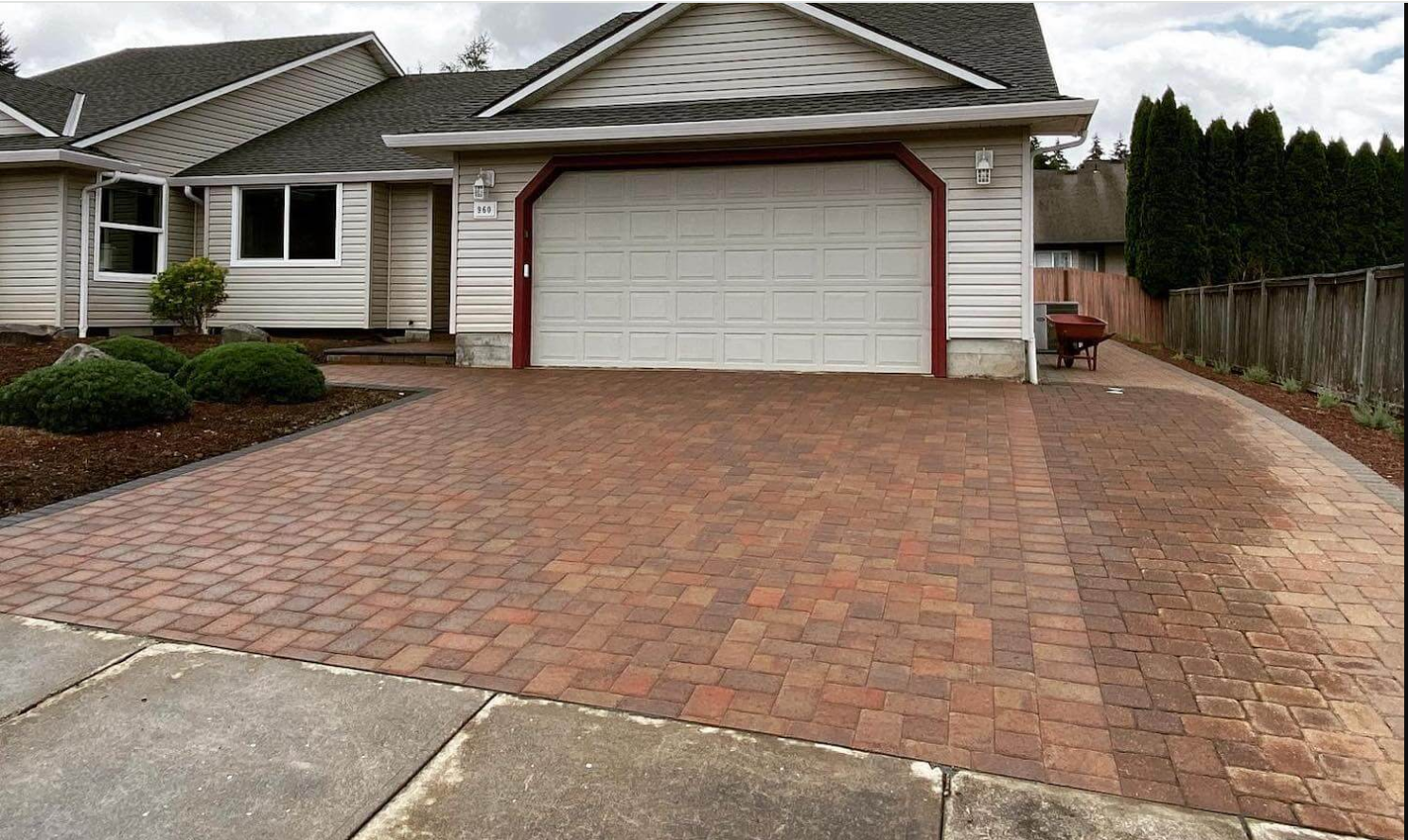
When property owners evaluate exterior entryways, the paving material often dictates both daily convenience and long-term maintenance costs. Choosing standard poured concrete may seem straightforward upfront, but hardscape surfaces endure substantial vehicular traffic and severe weather shifts throughout the year. Upgrading outdoor hardscapes is a proven way to improve property layouts and features without undertaking a full home addition.
Clay-based materials have remained popular for generations because they combine structural resilience with classic architectural character. Understanding how these heavy-duty units perform under real-world conditions helps homeowners decide whether traditional masonry hardscaping fits their specific driveway requirements.
Why Homeowners Are Moving Beyond Poured Concrete
Traditional poured concrete slabs tend to crack over time as underlying soil settles or expands during extreme seasonal temperature shifts.
Individual brick driveway pavers solve this structural vulnerability by moving independently instead of forming one rigid, continuous sheet. When minor ground shifting occurs, the joints absorb the movement without creating unsightly fractures across the driveway. This modular engineering approach ensures that residential parking areas maintain their structural integrity even in regions prone to heavy frost heave or expansive clay subsoils.
Withstanding Decades of Heavy Vehicle Loads
Kiln-fired clay units provide exceptional load-bearing strength that safely supports daily vehicular traffic without buckling or crushing.
The manufacturing process bakes natural raw clay at extremely high temperatures, resulting in a dense, vitrified building block capable of handling passenger cars, delivery vans, and SUVs. When installed over a properly compacted crushed-stone sub-base and thick aggregate layers, a masonry driveway distributes heavy downward forces evenly across the entire foundation bed. This robust construction method guarantees a multi-decade lifespan that outlasts many alternative surface treatments.
Preserving Rich Visual Appeal Without Fading
Natural clay colors run entirely through the material rather than sitting as a thin surface dye, ensuring permanent color retention.
Homeowners can choose from traditional red and amber earth tones or select modern charcoal and gray blends to match existing architectural palettes. Furthermore, traditional laying patterns like herringbone, basket weave, and running bond create striking geometric visuals that elevate the entire front facade. Because ultraviolet sunlight cannot bleach away a baked-in mineral hue, these driveways retain their sophisticated look year after year.
Facilitating Natural Stormwater Drainage
Permeable masonry installations allow rainwater to drain naturally into the ground, reducing surface pooling and local runoff issues.
Monolithic asphalt and concrete surfaces force all precipitation to rush into municipal drainage systems, which often contributes to localized street flooding and soil erosion. By utilizing appropriate joint spacing filled with clean aggregate sand, brick systems let moisture filter safely between individual units. This sustainable infiltration process supports local groundwater recharge while keeping driveway surfaces clear of standing puddles.
Simplifying Repairs and Routine Upkeep
Individual paver replacement eliminates the need for messy jackhammers and concrete patching whenever local damage occurs.
Routine care typically requires nothing more than occasional sweeping, seasonal rinsing with a garden hose, and minor weed prevention in the joints. If an oil leak stains a specific spot or shifting earth causes a localized dip, a contractor can pull out the affected units, level the bedding sand, and reinstall the exact same bricks. This modular repair capability saves property owners significant time and expense compared to the costly demolition required to fix cracked slabs.
Enhancing Curb Appeal and Property Value
Quality masonry hardscaping instantly signals craftsmanship and careful maintenance to potential buyers touring the residential property.
Real estate experts consistently note that exterior entryways create the crucial first impression that frames a buyer’s perception of the entire home. A well-designed entrance demonstrates that the structure has received thoughtful, high-end attention from top to bottom. Consequently, investing in durable clay pavers provides a tangible return by boosting long-term market valuation.
Frequently Asked Questions
How long do brick driveway pavers typically last?
Properly installed brick driveway pavers can easily function for thirty to fifty years or more with basic routine upkeep.
Are brick pavers more expensive than poured concrete?
Initial material and labor costs for brick pavers generally run higher than plain concrete, but their extended longevity and simple repair options offer superior long-term value.
Do brick driveways require professional installation teams?
While small backyard walkways suit DIY projects, driveways demand heavy earth excavation, precise sub-base compaction, and expert grading best handled by experienced contractors.
How do you prevent weeds from growing in the joints?
Applying specialized polymeric sand between the paver bricks during construction locks the units firmly together while inhibiting unwanted plant growth and insect nesting.
Can heavy commercial trucks park on these pavers?
Yes, provided the installation engineer specified an industrial-grade sub-base designed specifically to handle heavy commercial axle loads rather than standard residential traffic.
How should oil stains be cleaned from clay bricks?
Fresh automotive fluid spills respond well to commercial degreasers or poultice powders, though harsh chemical cleaners should be tested carefully to protect surrounding landscaping.
Final Verdict and Disclaimer
Choosing brick driveway pavers provides a reliable balance of structural strength, aesthetic flexibility, and environmental responsibility for residential upgrades. For additional insights on improving property layouts and features, homeowners can explore our related design guides. Readers should note that local soil conditions, regional climate factors, and municipal building codes can influence installation requirements. Always verify specific engineering guidelines and material specifications with licensed local contractors before starting any major driveway renovation project.


