

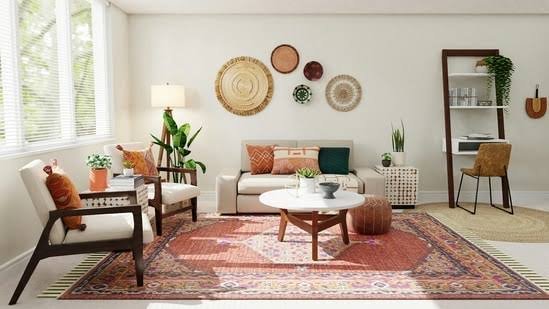
Home decor relies heavily on foundation pieces that transform plain architecture into inviting, personal living spaces. Among all available accessories, floor coverings hold a unique power to reshape both the visual rhythm and tactile warmth of a room. Selecting the right textile elements requires balancing personal aesthetic preferences with practical considerations like foot traffic, material sustainability, and daily maintenance routines.
Architectural Impact and Room Zoning
Floor coverings act as soft architectural boundaries that organize open-plan layouts without requiring permanent walls or dividers. Large area formats visually anchor sprawling living areas, pulling floating furniture groups into a cohesive and intentional arrangement. In dining spaces and multi-functional great rooms, distinct textile zones guide foot traffic naturally while dampening ambient sound to create a quieter, more comfortable home environment. When paired with insights from a complete home interior refresh, carefully chosen textiles tie disparate design elements together.
Material Engineering and Environmental Trends
Modern manufacturing offers diverse fiber choices that cater to specific environmental values and household demands. Natural options like wool, cotton, and jute provide breathable textures and organic resilience that age gracefully over time. Meanwhile, eco-conscious innovations have popularized recycled PET yarns, which repurpose discarded plastic containers into weather-resistant, soft fibers suitable for indoor and outdoor settings alike. Homeowners increasingly look for OEKO-TEX standard labels to guarantee that textile dyes and treatments remain free of harmful synthetic chemicals, ensuring healthier indoor air quality for families and pets.
Proportion, Dimensions, and Spatial Geometry
Incorrect sizing remains the most frequent mistake in interior styling, often making spacious rooms feel fragmented and cramped. Selecting an undersized piece disrupts the visual balance of a seating cluster by isolating furniture rather than uniting it. Standard guidelines recommend ensuring at least the front legs of sofas and armchairs rest comfortably on the textile border. Dining arrangements demand even more generous dimensions so that chairs remain fully supported on the fabric even when pulled completely away from the table, preventing frustrating wobbles and uneven floor contact.
Targeted Placement Across Different Living Zones
Every room presents unique functional demands that dictate the best texture and durability profile. Living rooms thrive on expressive patterns and plush underfoot piles that establish an inviting focal point for gathering and relaxation. Bedrooms benefit from soft, high-pile additions placed beneath or alongside the bed to cushion early morning steps against cold subfloors. High-spill environments like kitchens and entryways require low-profile flatweaves or washable synthetic runners that withstand heavy daily foot traffic, stray moisture, and frequent spot cleaning without losing their structural integrity or color vibrancy.
Preservation and Subfloor Protection Strategies
Long-term durability depends on consistent maintenance habits and proper supportive accessories beneath the surface. Regular vacuuming without aggressive motorized brush rolls prevents abrasive grit from cutting microscopic fibers at the base of the pile. Placing a breathable rubberized pad underneath prevents unwanted sliding on smooth timber or tile while safeguarding underlying finishes from friction wear and moisture trapping. Routine rotating of the layout also ensures even exposure to natural sunlight, preventing localized fading and extending the overall lifespan of valuable statement pieces.
Addressing Common Design and Care Inquiries
How do I choose the correct floor covering size for my living room?
Measure your seating perimeter and select dimensions that allow at least the front legs of your main furniture pieces to rest securely on the fabric.
Are synthetic textiles superior to natural fibers for high-traffic zones?
Synthetic options like polypropylene and recycled PET offer exceptional stain resistance and budget-friendly durability, whereas natural options provide unmatched organic warmth and unique textures.
Can decorative floor textiles be safely layered over existing wall-to-wall carpet?
Layering is entirely possible if you choose low-profile flatweave styles and incorporate anti-slip gripper pads to prevent dangerous bunching.
How frequently should residential floor textiles undergo deep professional cleaning?
Routine vacuuming should occur weekly, while professional extraction cleaning is recommended every twelve to eighteen months to eliminate deep-set allergens.
What specifications matter most when purchasing textiles for pet-friendly homes?
Tightly woven flatweaves or low-pile synthetic materials resist pet claws and liquid accidents far better than delicate looped or high-pile shaggy alternatives.
Why is an underlayment pad considered essential for smooth flooring?
An appropriate pad stops shifting, improves cushioning, and prevents abrasive backing materials from scratching sensitive hardwood or polished concrete floors.
Disclaimer: Styling advice and material properties are shared for general informational purposes. Product specifications, manufacturing certifications, and care protocols may vary, so always check individual manufacturer guidelines before purchase.

Passionate content writer and savvy blog publisher, Aamir crafts compelling stories and insightful articles that captivate and inform. With a knack for blending creativity and strategy, they bring fresh perspectives to every piece. Dive into their world of words and discover content that resonates.


