

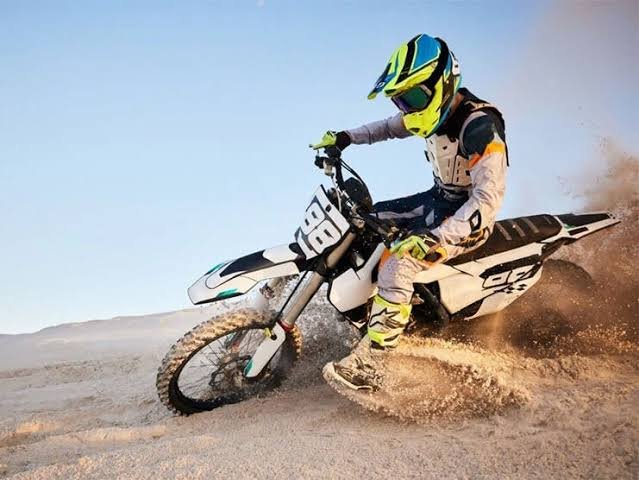
Riding adventure off-road motorcycles is a demanding yet deeply rewarding pursuit that pushes riders to test their physical endurance and technical capabilities across unpredictable wilderness terrains. Modern multi-cylinder adventure machines feature sophisticated electronic rider aids, such as adjustable traction control and off-road ABS modes, but mastering the dirt still comes down to fundamental rider input and bike control. Whether you are transitioning from street riding to unpaved backroads or looking to refine your single-track confidence, here are ten essential riding tips tailored for modern riders to elevate your next off-road journey.
Match Your Motorcycle Type to the Terrain
Choosing the correct adventure off-road motorcycle for the specific terrain you plan to traverse is the foundational first step for a successful journey. Heavy multi-cylinder adventure bikes handle long highway miles and graded fire roads brilliantly, but they require much more momentum management compared to lightweight dual-sport machines when tackling technical single-track trails. When selecting your machine, consider factors such as total weight, suspension travel, and tire tread pattern. Ensure your motorcycle is properly equipped and protected with crash bars and skid plates before heading into demanding environments.
Invest in Proper Protection and Riding Gear
Safety should always remain your highest priority when riding off-road motorcycles across rugged landscapes. Invest in quality protective equipment, including a certified off-road helmet, protective goggles, reinforced gloves, and sturdy riding boots designed to prevent ankle twisting. Dress appropriately for shifting weather conditions and choose gear that provides adequate ventilation alongside the necessary flexibility for active movement.
Master Fundamental Body Position and Balance
Developing correct body positioning on your adventure off-road motorcycle unlocks better stability and control across unpredictable surfaces. Stand up on the footpegs with your knees slightly bent and elbows kept high and wide to allow the machine to move underneath you. Keep your weight centered over the chassis rather than leaning back, which helps maintain front-wheel traction.
Look Ahead and Pick Your Line Early
Scanning the trail far ahead allows you to anticipate obstacles and select the cleanest line of travel rather than reacting at the last second. Look for smooth, firm ground to maintain forward momentum while actively avoiding sharp rocks, deep ruts, and slick tree roots. Planning your route seconds in advance gives you ample time to adjust your speed and steering angle safely.
Apply Smooth Throttle and Braking Control
Delivering progressive power and applying measured braking force prevent your tires from breaking traction on loose dirt or gravel. Use smooth, steady throttle inputs when climbing steep hills or negotiating tight switchbacks to keep the rear tire gripping the surface. Apply both your front and rear brakes with gentle, progressive pressure to avoid sudden lock-ups that can wash out your front wheel.
Adjust Tire Pressures for Off-Road Terrain
Lowering your tire pressure when transitioning from pavement to dirt significantly increases your motorcycle’s contact patch and overall traction. Many adventure riders drop their tire pressures for off-road sections, provided their rims are equipped with heavy-duty tubes, rim locks, or tubeless sealing systems that prevent pinch flats. Always remember to reinflate your tires using a portable compressor before returning to high-speed paved roads.
Stand Up and Stay Loose Through Rough Sections
Remaining relaxed and fluid while standing on the footpegs allows your legs and arms to act as natural suspension dampers against harsh bumps. Keep your grip on the handlebars light rather than white-knuckling, letting the motorcycle absorb minor impacts without deflecting off line. Staying loose helps you maintain balance and control when the trail turns rocky or washboarded.
Learn Safe Heavy-Bike Recovery Techniques
Knowing how to safely lift and maneuver a heavy adventure motorcycle after a tip-over is an essential skill for remote wilderness trips. Unloading your side panniers and luggage first can drastically reduce the weight you need to lift off the ground. Utilize proven methods like the back-to-the-bike lifting technique or the rear-wheel pivot method to turn your motorcycle around on narrow trails without exhausting yourself.
Ride Responsibly and Practice Good Trail Etiquette
Preserving natural landscapes and sharing trails respectfully ensures that off-road motorcycling remains accessible for future generations of riders. Stay strictly on designated trails, avoid cutting switchbacks, and respect local wildlife habitats by leaving no trace behind. For more ideas on balancing outdoor exploration and outdoor getaways, read our guide on tips to achieve the perfect blend of adventure and relaxation on your trip.
Frequently Asked Questions
What tire pressure should I run off-road on an adventure bike?
While standard street pressures usually hover around 36 to 42 psi, many riders lower their pressures to between 25 and 30 psi for gravel and dirt roads, depending on bike weight and rim setup.
Should I always stand up when riding off-road?
Standing up is strongly recommended for rough, uneven, or technical terrain because it allows your body to absorb impacts and gives you superior control over the motorcycle.
How do I prevent my front wheel from washing out in sand?
To navigate sand successfully, shift your weight slightly toward the rear of the motorcycle, maintain a steady throttle to keep the front end light, and avoid abrupt steering inputs.
What is the best way to pick up a fallen adventure motorcycle?
Turn off the ignition, put the transmission in gear to prevent rolling, face away from the bike, squat down with your back against the seat, and push up using your legs.
Do I need special tires for off-road adventure riding?
Yes, 50/50 or knobby off-road tires provide significantly better grip in mud, sand, and loose gravel compared to pure street-oriented tires.
How can I practice these skills safely before hitting hard trails?
Find an empty gravel parking lot, a wide dirt fire road, or an off-road training park to practice slow-speed turns, standing posture, and controlled braking.
Disclaimer
Off-road motorcycle riding involves inherent risks, including potential injury or mechanical damage. The tips provided in this guide are for informational purposes only. Riders should always wear appropriate safety gear, assess their personal skill levels honestly, and verify official manufacturer guidelines and local trail regulations before embarking on any ride.

Passionate content writer and savvy blog publisher, Aamir crafts compelling stories and insightful articles that captivate and inform. With a knack for blending creativity and strategy, they bring fresh perspectives to every piece. Dive into their world of words and discover content that resonates.


[…] those interested in expanding their horizons beyond street cruisers, exploring resources such as expert trail riding advice can also inspire new ways to enjoy the […]