

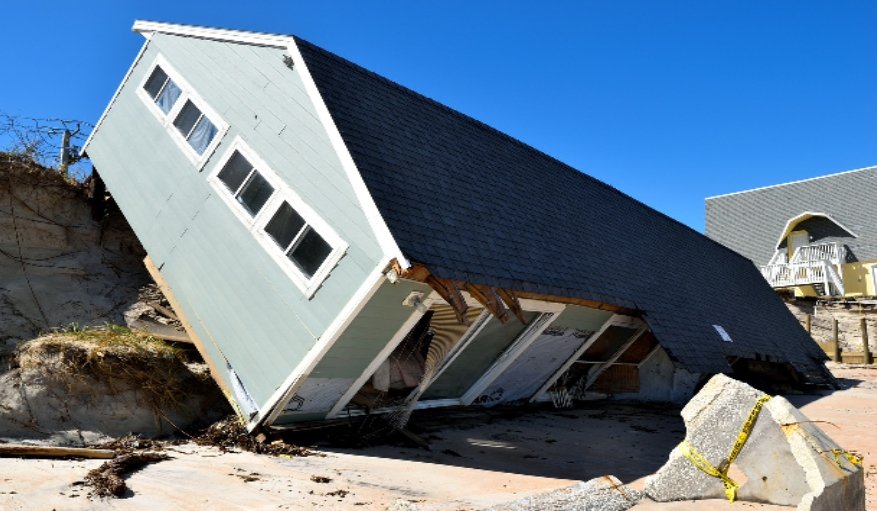
When a natural disaster impacts your neighborhood, the immediate aftermath brings a confusing mix of relief over personal safety and intense stress regarding the physical state of your home. Homes struck by severe weather events often suffer structural, water, or wind damage that requires an organized, step-by-step approach to rehabilitation. Attempting to manage every single repair at once can quickly exhaust your energy and savings. By breaking down the recovery journey into methodical phases, you can restore your living space without falling into common financial or logistical traps.
The financial and emotional toll of a major storm or earthquake makes careful planning more critical than ever. Taking control of the situation requires separating emergency triage from long-term reconstruction, managing your insurance provider effectively, and securing trustworthy local professionals. The following sections outline the precise operational workflow every homeowner needs to handle property rebuilding efficiently.
Assessing Immediate Building Safety and Securing Structural Integrity
Assessing immediate building safety requires homeowners to professionally inspect electrical panels, severed gas lines, and compromised load-bearing frames before letting family members re-enter the main living quarters.
Before you can think about drywall, painting, or aesthetic remodeling, you must ensure the core building envelope is stable and safe. Natural forces frequently leave behind hanging tree limbs, compromised roof trusses, and active water leaks that will worsen dramatically if exposed to secondary weather events. Cover broken windows with heavy plywood and apply temporary tarps over damaged roof sections to prevent further interior ruin. Treating these stabilization tasks as your primary milestone protects both your family and your remaining possessions from cascading destruction.
Documenting Property Damage for Insurance Claims and Adjusters
Documenting property damage for insurance claims involves capturing high-definition photography, video walkthroughs, and itemized written inventories of every ruined room to maximize your eventual payout.
Insurance policies contain strict notification timelines and complex language that can complicate your financial recovery. Documenting damaged items right where they lie gives you undeniable evidence when filing your initial claim. If your insurance carrier undervalues your losses or delays the settlement process significantly, bringing in a specialized independent professional can alter the outcome. An experienced public adjuster evaluates policy terms objectively and negotiates directly with insurance companies on your behalf to secure the settlement you are owed.
Accounting for Post-Disaster Inflation When Calculating Construction Budgets
Accounting for post-disaster inflation means factoring in localized material scarcity, high shipping costs, and severe regional labor shortages when calculating the realistic baseline for your reconstruction budget.
Standard construction cost estimators rarely reflect the economic reality of a community recovering from a widespread natural disaster. When thousands of households simultaneously demand building supplies and contractor services, prices for lumber, drywall, and skilled labor often skyrocket. Build an emergency buffer of twenty to twenty-five percent into your financial estimates to absorb unforeseen supply chain delays or hidden structural complications discovered during demolition. Maintaining this fiscal cushion ensures you will not run out of money halfway through rebuilding vital rooms.
Balancing Insurance Settlements, Government Grants, and Disaster Loans
Balancing insurance settlements, government grants, and disaster loans gives homeowners multiple financial levers to bridge lingering monetary gaps during long-term property reconstruction.
Relying solely on a standard property insurance policy can leave you short, especially when certain disasters like floods or earthquakes require separate endorsements. Check local, state, and federal emergency portals immediately to see if your area qualifies for individual assistance grants or low-cost disaster relief loans. Homeowners should also review broader strategies for safeguarding real estate equity by reading our guide on property and casualty insurance protection. Combining multiple funding streams properly keeps your household solvent while major repairs are underway.
Screening Local Contractors to Prevent Predatory Post-Disaster Scams
Screening local contractors requires checking active state licensing, physical business addresses, and verifiable customer references to protect yourself against fraudulent storm-chasing operators.
Post-disaster environments frequently attract unscrupulous operators going door-to-door demanding large cash deposits before disappearing without finishing the work. Always obtain at least three separate written bids to understand prevailing local labor rates and project timelines. Never sign predatory assignment of benefits agreements without having an independent legal professional review the paperwork first. Taking the time to verify contractor credentials safeguards your investment and prevents long, agonizing legal disputes later.
Maintaining Daily Oversight of Reconstruction Milestones and Schedules
Maintaining daily oversight of reconstruction milestones involves conducting regular on-site inspections and keeping an organized, chronological journal of all completed construction phases.
Hiring a contractor does not mean you can step away completely from the physical rebuilding process. Consistent communication ensures that your construction crew stays aligned with local building code requirements and your agreed financial limits. Document daily progress with updated photos and written task logs so you can address any material discrepancies or schedule delays immediately. Active participation guarantees that minor workmanship flaws get corrected before they turn into major structural liabilities.
Reinforcing Your Property with Resilient Materials for Future Events
Reinforcing your property with resilient materials involves upgrading vulnerable structural joints, installing impact-resistant roofing, and selecting durable building components to withstand subsequent severe weather.
Rebuilding after a disaster offers a rare opportunity to improve your home rather than simply restoring it to its previous condition. Consider installing impact-resistant roof shingles, hurricane straps, reinforced garage doors, and heavy-duty storm shutters to minimize future storm damage. Review your newly increased property valuation with your insurance agent to ensure your policy limits reflect these resilience upgrades accurately. Incorporating these protective measures reduces your long-term risk profile and provides greater peace of mind for your household.
Frequently Asked Questions About Disaster Repair and Budgeting
Clear answers to common questions about disaster recovery timelines, insurance negotiations, and financing can guide your next steps with confidence.
How quickly should I notify my insurance provider after a disaster?
You should notify your insurance provider as soon as local communication lines and safety conditions permit, ideally within the first twenty-four to forty-eight hours.
When does it make sense to hire an independent public adjuster?
A public adjuster is most beneficial for complex, high-dollar claims or when an insurance company denies or heavily undervalues your legitimate property damage claim.
What warning signs indicate a fraudulent post-disaster contractor?
Warning signs include door-to-door solicitation, demands for full payment upfront, lack of a permanent local business address, and refusal to provide proof of active licensing.
Are temporary living expenses covered under standard policies?
Many standard homeowners policies include loss-of-use coverage that reimburses reasonable hotel and rental costs if your home is rendered uninhabitable by a covered event.
How can I manage cash flow if my insurance check is delayed?
Homeowners often rely on personal emergency savings, federal disaster recovery grants, home equity lines of credit, or specialized low-interest disaster relief loans.
Why are post-disaster construction costs typically higher than normal?
Surge pricing occurs because regional demand for building materials and skilled labor spikes dramatically while local supply chains remain restricted.
Recovering from a natural disaster and repairing your property is undoubtedly an arduous journey, but a disciplined financial and structural plan makes it manageable. By prioritizing immediate safety, documenting losses with extreme care, and partnering with vetted professionals, you can rebuild your home successfully. Always verify final regulatory requirements and policy payouts directly through official municipal or insurance channels before committing to major financial contracts.


