

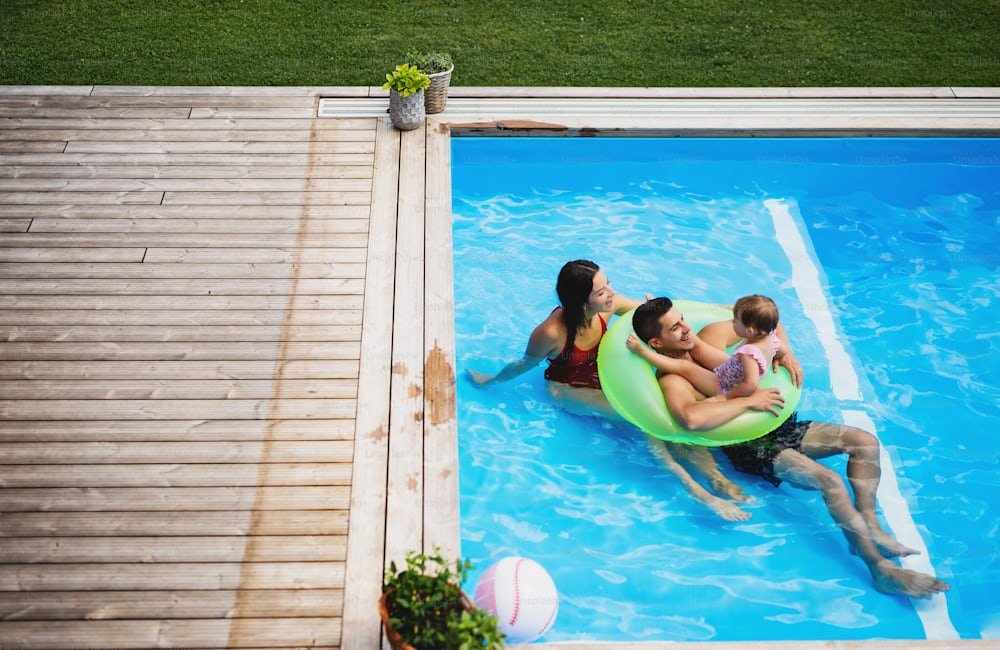
In recent years, the popularity of plunge pools has soared, transforming them from luxury novelties into practical backyard wellness features. These compact pools, typically much smaller than traditional swimming pools but noticeably deeper, offer a range of advantages that extend far beyond simple recreation and cooling off on a hot day. From targeted physical recovery to mental restoration and efficient land use, owning a plunge pool brings a multitude of surprising benefits that appeal to modern homeowners looking to maximize both health and yard space.
Physiological Advantages and Hydrotherapy Recovery
Plunge pools improve physical fitness and aid athletic recovery through targeted temperature exposure and aquatic hydrostatic pressure.
After intense physical activity or a rigorous workout, immersion in cold water helps reduce muscle inflammation and localized soreness. Plunge pools provide an efficient setting to practice contrast therapy, a method involving alternating between warm and cold water immersion to promote faster muscular repair. Furthermore, the cold water causes blood vessels to constrict, which temporarily enhances circulation once the body warms back up. This vascular response promotes better overall blood flow and assists in reducing swelling after heavy exertion.
Regular immersion also stimulates the body’s metabolic rate in subtle ways. The brief exposure to cooler water prompts internal systems to work slightly harder to maintain core temperature, which encourages calorie expenditure over time.
Neurological Reset and Daily Stress Regulation
Plunge pools deliver powerful psychological advantages that help clear mental fatigue and calm the nervous system at the end of a long day.
Immersing oneself in cool water triggers the release of endorphins, which are the body’s natural mood-enhancing neurochemicals. This biochemical response helps alleviate daily stress and anxiety, offering a quiet, serene escape right outside your back door. Additionally, evening dips can positively influence sleep hygiene. The initial cooling effect followed by natural body warming helps regulate circadian rhythms, making it easier to drift into a deep and restful sleep. Mental clarity also improves as alertness spikes following cold water exposure, providing a refreshing reset for anyone facing burnout or creative blocks.
Compact Spatial Footprint and Utility Savings
Unlike traditional swimming pools that demand vast expanses of land and complex excavation, modern plunge pools are designed for high-density and compact yards.
Their smaller volume means they consume significantly less water and require lower energy overhead for filtration and heating. Homeowners can choose between pre-molded fiberglass drop-in shells and custom concrete builds, depending on their landscape layout and budget. Because these vessels occupy minimal square footage, they leave plenty of room for surrounding patios, native landscaping, or outdoor dining areas, ensuring your entire yard remains usable throughout the year.
| Feature | Traditional Swimming Pool | Modern Plunge Pool |
|---|---|---|
| Average Size | 15 x 30 feet or larger | 7 x 12 feet (compact) |
| Water Capacity | 15,000 to 20,000+ gallons | 1,500 to 3,000 gallons |
| Primary Use | Lap swimming, large groups | Hydrotherapy, cooling, soaking |
| Installation Timeline | Several weeks to months | A few days to weeks (fiberglass) |
When considering backyard leisure upgrades, homeowners occasionally weigh different types of property investments. For families looking to enhance everyday lifestyle convenience, exploring options like our guide on the benefits of owning a good family car highlights how functional investments can dramatically improve daily comfort and routine management.
Engineering Load Requirements and Safety Permitting
Owning a plunge pool requires careful attention to structural engineering, local municipal codes, and ongoing water treatment.
Because these pools hold significant weight in a small area, engineers must verify ground stability and load-bearing capacities during site preparation. Most local municipalities also enforce strict safety fencing and barrier regulations for any body of water exceeding a certain depth, meaning pool owners must factor security gates and perimeter enclosures into their initial setup plans. Maintenance routines mirror those of standard pools but are scaled down due to lower water capacity. Automated skimmers, energy-efficient inverter heat pumps, and balanced saltwater or chemical sanitation systems keep the water crystal clear with minimal hands-on effort.
Real Estate Equity and Residential Appraisal Value
As the demand for residential wellness features increases, owning a well-integrated plunge pool can enhance the resale value and curb appeal of a property.
Real estate markets show that modern buyers are increasingly drawn to low-maintenance outdoor amenities that promote relaxation and health without taking over the entire backyard.
Frequently Asked Questions
Can a plunge pool be heated for year-round use?
Yes, modern plunge pools can be equipped with dedicated heat pumps that allow them to function as warm hydrotherapy spas during colder months and refreshing cold plunges in the summer.
How much space do I need for a plunge pool?
Most standard plunge pools range from seven to twelve feet in length and around six to eight feet in width, making them suitable for small courtyards and compact suburban yards.
Are plunge pools difficult to maintain?
Due to their smaller water volume, plunge pools are generally easier and faster to clean and sanitize than full-sized swimming pools.
Do plunge pools require safety fencing?
Yes, municipal building codes typically require compliant safety fencing or barriers around any permanent residential pool to prevent accidental access.
Can you swim laps in a plunge pool?
Traditional plunge pools are not designed for lap swimming because of their compact size, though some models feature swim-tether resistance jets for stationary swimming workouts.
How long does installation take?
Pre-molded fiberglass shell installations can often be completed in a matter of days or weeks, whereas custom concrete pools may take several months from excavation to final finish.
Disclaimer: The details regarding plunge pool installation, utility costs, and local regulations can vary depending on your specific location, soil conditions, and municipal codes. Homeowners should always verify final engineering, safety, and permitting requirements with licensed local contractors and official municipal authorities before beginning any construction project.


