
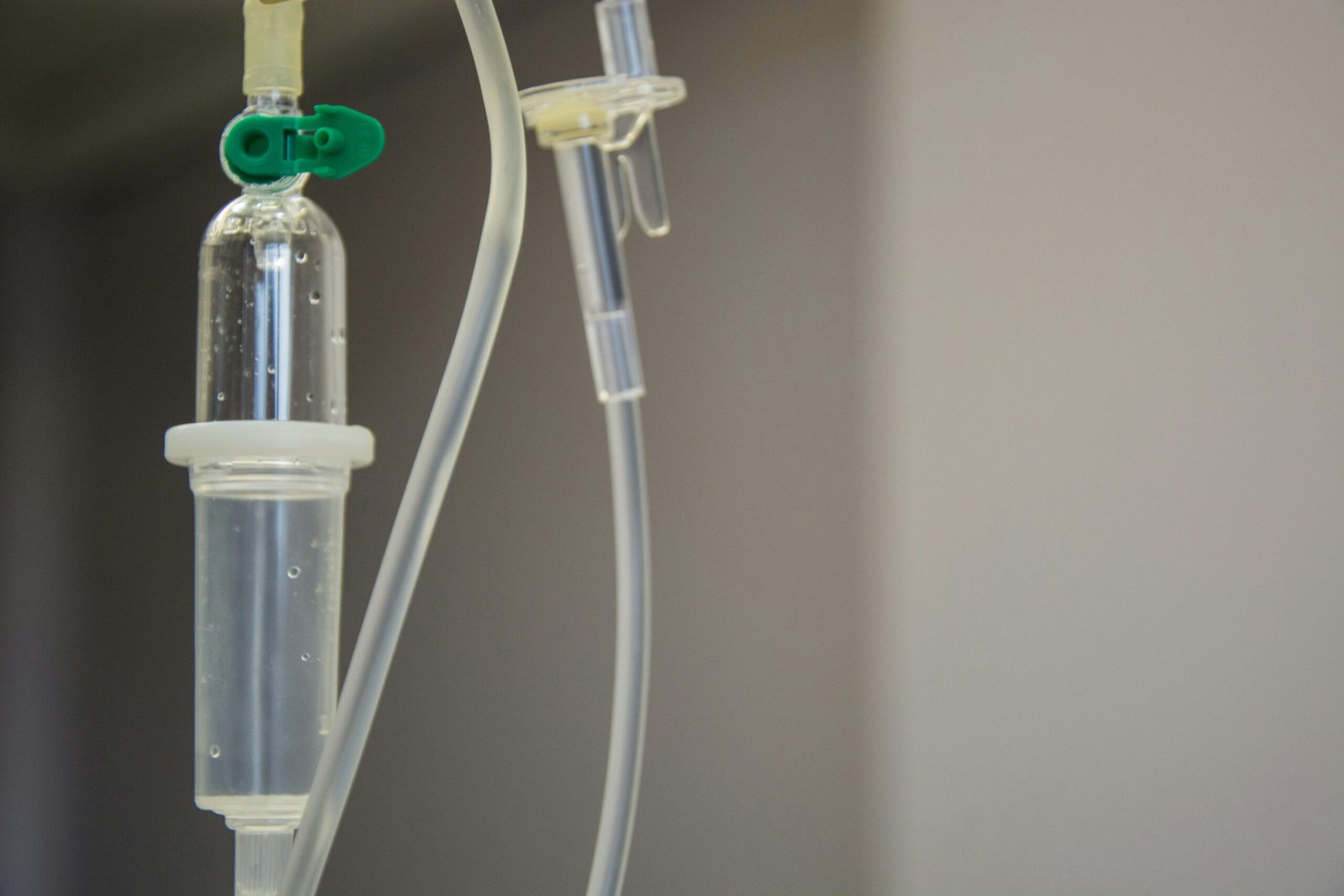
Photo by Marcelo Leal on Unsplash
Opiate addiction is a profound health crisis that alters both physical stability and emotional well-being. While society often focuses entirely on managing the agonizing physical symptoms of withdrawal, the psychological fallout can be equally devastating and far more persistent.
That is why prioritizing psychological safety during medical withdrawal is just as critical as managing bodily pain. Those who are seeking a safe recovery process should look for well-established treatment centers equipped to handle dual-diagnosis needs. Opiate detox centers ensure that your experience is thorough, medically supervised, and uniquely attuned to your personal psychiatric history. In this guide, we will explore the biological facts, psychiatric hurdles, and practical recovery tips that protect your mental health during opiate detox.
Understanding Opiates and Their Toll on Mental Health
Opiates are powerful chemical agents that originate from the opium poppy plant, ranging from prescription pain relievers like morphine and codeine to oxycodone and illicit substances like heroin.
Long-term consumption of opiates is exceptionally dangerous because it forces the brain to drastically slow down its natural production of mood-regulating neurotransmitters like endorphins and dopamine. When the substance is suddenly removed during cessation, the brain cannot instantly resume normal hormone production, resulting in an overwhelming chemical deficit. This biological crash manifests as severe anxiety, profound depression, and intense emotional volatility. Recognizing that these dark moods are temporary physiological symptoms rather than permanent personal flaws helps individuals maintain crucial psychological endurance.
The Real Opiate Withdrawal Timeline: Acute Versus Post-Acute Phases
Opiate withdrawal unfolds across distinct phases that demand entirely different mental health coping mechanisms depending on the week or day.
The acute phase begins within hours of the last dose, bringing immediate panic, extreme agitation, and physical flu-like misery that peaks around forty-eight hours. Once acute physical trauma subsides, individuals frequently encounter Post-Acute Withdrawal Syndrome, which targets emotional stability for months afterward. Post-Acute Withdrawal Syndrome brings unpredictable waves of mental exhaustion, anhedonia, and sudden sleep disturbances as the central nervous system slowly repairs its damaged receptors.
Why Rapid Opiate Detox Can Be Dangerous
Rapid opiate detoxification under general anesthesia is a medically controversial and hazardous shortcut that bypasses vital psychological stabilization.
While the temptation to sleep through acute withdrawal sounds appealing, major medical institutions warn that rapid procedures expose patients to severe cardiovascular risks and intense psychiatric trauma upon waking. Forcing the body into accelerated withdrawal while unconscious ignores the intricate connection between neurological healing and emotional readiness. Choosing a gradual, monitored inpatient program ensures that medical staff can intervene immediately if severe psychiatric symptoms or suicidal ideation emerge.
Professional Support and Medication-Assisted Treatment
Professional medical oversight utilizes evidence-based medications to blunt the neurological shock of withdrawal and protect emotional stability.
Clinicians frequently administer medication-assisted treatment, utilizing approved substances like buprenorphine or methadone to calm overactive neural pathways and reduce severe cravings. By smoothing out the severe highs and lows of unassisted withdrawal, these medications give patients the mental clarity required to engage in meaningful psychological therapy. For specialized guidance on navigating psychiatric vulnerabilities during recovery, patients can benefit from exploring adult counseling and mental wellness resources to build lifelong resilience.
Daily Coping Strategies for Anxiety, Cravings, and Low Mood
Implementing structured daily mindfulness and cognitive grounding exercises helps patients regain a sense of control during psychiatric turbulence.
Intense psychological cravings and sudden panic attacks can make the present moment feel entirely unbearable without an anchor. Practicing box breathing, tactile grounding, and short bouts of gentle physical movement helps release natural dopamine while lowering cortisol levels. Maintaining a detailed recovery journal also allows individuals to externalize dark thoughts, track subtle emotional improvements, and recognize personal victories.
Building a Strong and Reliable Support Network
Combating isolation through peer connection and trusted relationships prevents the despair that so frequently leads to immediate relapse.
Isolation amplifies the shame and anxiety that characterize early recovery, turning minor emotional setbacks into major psychological crises. Engaging with structured peer support groups provides a non-judgmental space where individuals share coping mechanisms and witness real examples of long-term healing. Knowing that others have successfully navigated the exact same mental hurdles restores hope and fosters profound emotional strength.
Frequently Asked Questions
How long do mental health struggles last after stopping opiates?
Acute psychological distress usually begins to lift within two weeks, but Post-Acute Withdrawal Syndrome can cause intermittent mood swings and anxiety for several months.
Can anxiety and depression get worse during opiate withdrawal?
Yes, anxiety and depression frequently peak during the initial days of detox because the brain has temporarily lost its natural ability to regulate positive mood chemicals.
Is medication-assisted treatment safe during detox?
Medication-assisted treatment is widely recognized as safe and medically effective when managed by licensed clinicians within an accredited treatment setting.
Should I try to detox from opiates at home alone?
Attempting to detox from opiates at home without medical supervision is dangerous due to severe dehydration risks, intense psychological distress, and high relapse rates.
What role does nutrition play in mental health during detox?
Proper nutrition supplies vital amino acids and vitamins that help repair neurotransmitter pathways and support stable emotional regulation during recovery.
How do I find the right professional support program?
Look for certified treatment facilities that offer comprehensive medical detoxification, integrated psychiatric care, and structured individualized aftercare planning.
Disclaimer: The information provided in this article is for educational purposes only and should not replace professional medical advice, psychiatric diagnosis, or addiction treatment. Always consult qualified healthcare professionals regarding any medical condition or detoxification plan.

Daniel J. Morgan is the founder of Invidiata Magazine, a premier publication showcasing luxury living, arts, and culture. With a passion for excellence, Daniel has established the magazine as a beacon of sophistication and refinement, captivating discerning audiences worldwide.


