

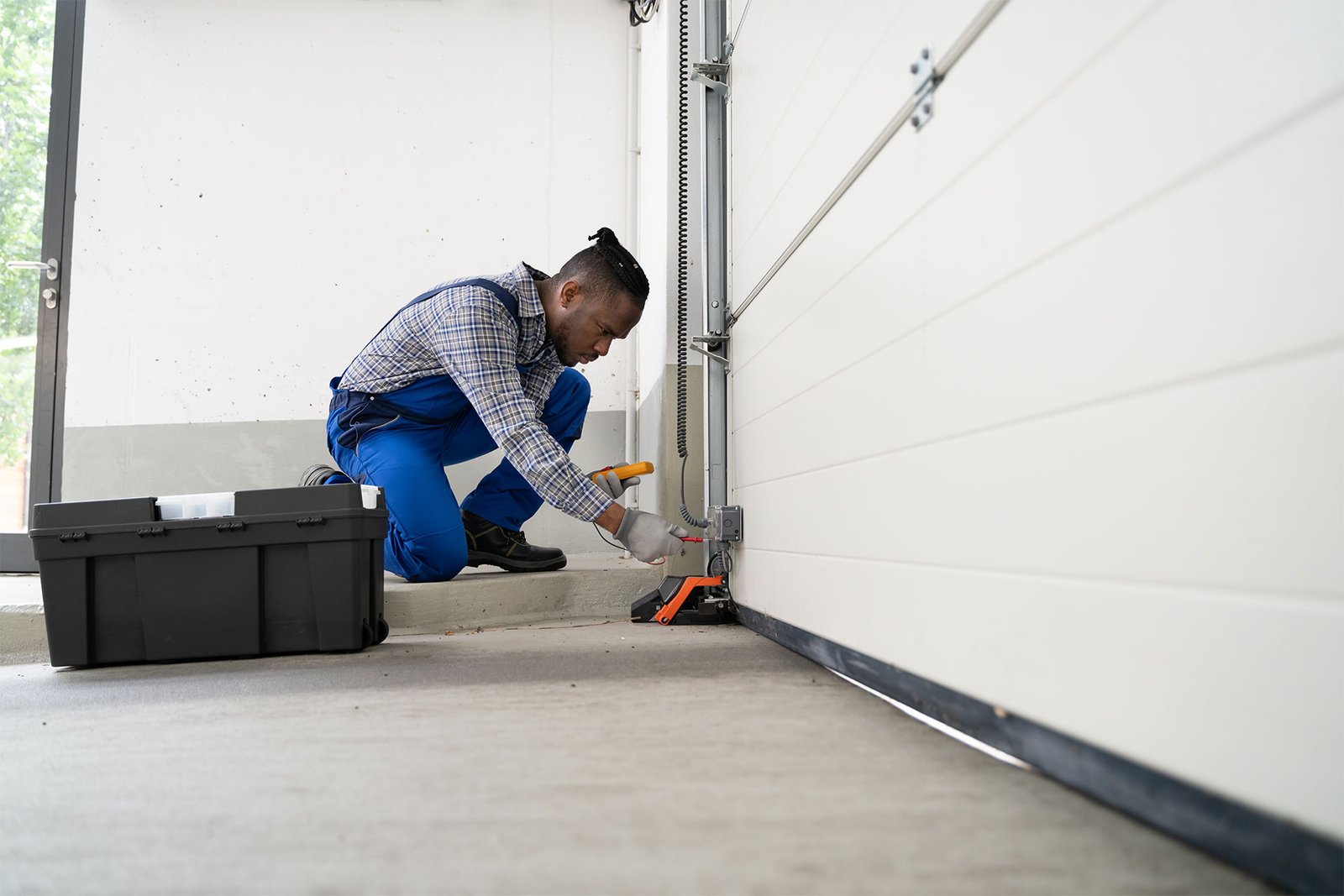
Garage doors are crucial components of modern residential properties, providing physical security, thermal insulation, and daily convenience. However, like any heavy mechanical system, a garage door requires professional installation, routine care, and timely component repairs to function reliably. Property owners must understand how these systems operate to prevent unexpected failures and keep their homes safe.
Understanding Modern Garage Door Options and Smart Technology
Modern garage door services encompass far more than basic steel panels, extending into advanced thermal insulation ratings and connected smart home technology. Homeowners today can choose from various materials such as insulated steel, natural wood, and aluminum-glass combinations, each offering distinct R-values for energy efficiency. Furthermore, modern openers feature smartphone integration, Wi-Fi connectivity, real-time access alerts, and camera monitoring systems that allow users to check their garage doors from anywhere.
| Door Material | Key Benefit | Maintenance Requirement |
|---|---|---|
| Insulated Steel | High energy efficiency and durability | Occasional washing and rust checks |
| Natural Wood | Superior aesthetic curb appeal | Regular sealing, staining, or repainting |
| Aluminum and Glass | Modern look with natural light | Frequent panel cleaning and track checks |
Why Professional Installation Matters for Safety and Longevity
A properly installed garage door is vital for ensuring smooth mechanical operation, user safety, and long-term durability. Garage door systems are exceptionally heavy and operate under immense mechanical tension, particularly the torsion springs mounted above the opening. Professional installers possess the specialized training required to align tracks precisely, calibrate spring tension safely, and anchor heavy overhead tracks securely. Attempting a do-it-yourself installation often voids manufacturer warranties and creates severe personal injury hazards, making expert placement an essential investment for any residential property.
Essential Garage Door Maintenance Checklist
Regular maintenance is crucial for keeping your overhead system in optimal working order throughout the changing seasons. Property owners should conduct visual inspections every month to spot frayed cables, loose mounting brackets, and early signs of rust on metal components. Lubricating moving parts twice a year with a silicone-based spray helps reduce friction on hinges, rollers, and tracks. Additionally, checking system balance by disconnecting the automatic opener and manually lifting the door halfway ensures the springs are supporting the weight correctly. You can read more about upkeep strategies by visiting this guide on maintaining your modern garage door for longevity to keep your hardware functioning smoothly.
Common Garage Door Repairs and When to Call a Pro
Despite consistent preventative maintenance, garage doors eventually experience mechanical wear that demands professional intervention. Broken torsion springs represent the most frequent repair issue, signaled by a loud snapping sound and an inability to lift the door manually. Other common problems include unresponsive automatic openers, misaligned metal tracks that cause grinding noises, and worn-out nylon rollers that create a jerky movement. Because these components carry high loads, professional technicians should always handle tension-related repairs.
What to Expect: Garage Door Service Costs
Understanding baseline service costs helps homeowners budget effectively for unexpected breakdowns and scheduled upgrades. Routine tune-up visits and safety inspections generally fall into a predictable service fee range, while component replacements vary based on labor and parts. Torsion spring replacements, cable repairs, and new opener installations each involve distinct expenses depending on the weight of the door and the complexity of the hardware involved. Requesting detailed, transparent quotes from licensed technicians ensures there are no surprises when the final invoice is presented.
Frequently Asked Questions
How often should garage door springs be replaced?
Standard torsion springs are rated for a specific number of opening and closing cycles, which typically translates to about 7 to 12 years of normal residential use depending on daily operational frequency.
Can I open my garage door manually during a power outage?
Yes, pulling the red emergency release cord disconnects the door from the automatic opener, allowing you to lift it by hand safely once the system is fully disengaged.
Why does my garage door reverse before closing fully?
This issue is usually caused by dirty, blocked, or misaligned safety photo-eye sensors located near the bottom of the tracks that interrupt the low-voltage beam path.
Is it safe to repair garage door cables myself?
No, garage door cables operate under significant mechanical tension alongside the heavy springs, making do-it-yourself cable replacements extremely hazardous for inexperienced homeowners.
How can I make my garage door quieter?
Replacing old metal rollers with nylon ball-bearing rollers and applying specialized silicone lubricant to all moving parts will significantly reduce operational noise levels.
What is the benefit of a belt-drive garage door opener?
Belt-drive openers use a reinforced rubber belt instead of a traditional metal chain, resulting in much quieter operation for homes with living spaces situated directly above the garage.
How do battery backups improve garage door reliability?
Integrated battery backups ensure that your automatic opener continues to function seamlessly during unexpected power grid outages, maintaining secure property access.
Disclaimer: Garage door mechanics involve high-tension hardware and electrical components. Service pricing, product specifications, and safety standards can vary; always verify final details and warranties directly with licensed local professionals.


