

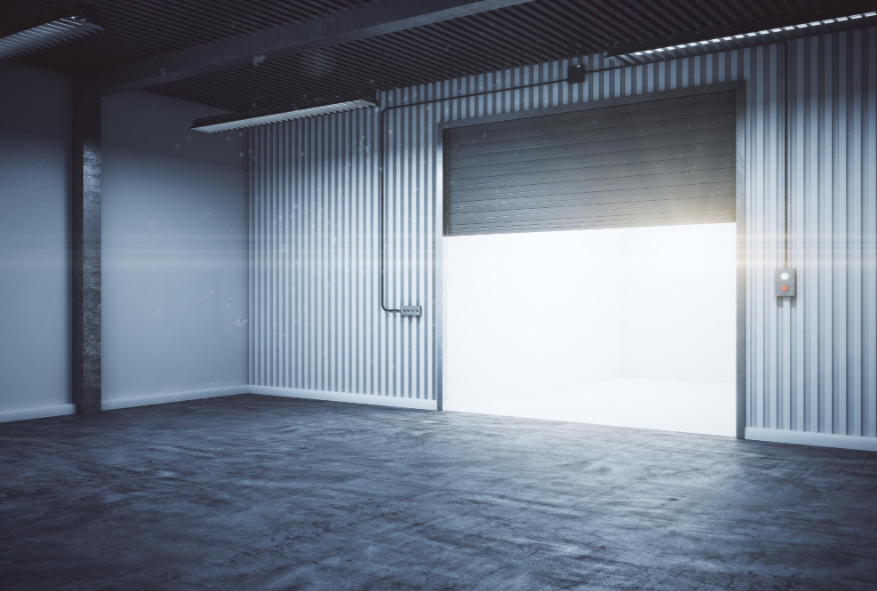
Have you noticed how important your garage door is to your house? It is not just there to keep your car safe; it is a big part of your home’s look and security.
When your garage door is working properly, it is easy to take for granted. But when it is malfunctioning, it can be a major inconvenience and even a safety hazard.
Read on to learn some practical tips on how to properly maintain a modern garage door so it continues to function smoothly for years to come.
Why Modern Garage Doors Need Special Care
Advanced architectural designs, smart connectivity, and automated drive systems mean current entry systems require a different upkeep approach than older mechanical models.
Today’s residential entryways combine sophisticated technology with lightweight composite panels, glass windows, and high-performance insulation layers. Because these systems rely heavily on sensors, Wi-Fi modules, and electronic control boards, routine home maintenance goes beyond simply wiping down tracks. Understanding how integrated hardware responds to daily wear helps homeowners prevent minor friction points from escalating into expensive motor failures or structural sagging over time.
Routine Cleaning and Visual Inspection
Keeping your tracks and moving components free of buildup helps prevent premature wear and mechanical resistance.
Dirt, dead insects, and wind-blown debris naturally accumulate inside horizontal and vertical metal tracks over the course of each season. Use a damp cloth or soft brush to clear out these residues before they interfere with the smooth travel of metal rollers. At the same time, look closely at the steel cables, torsion springs, and mounting brackets for early signs of fraying, rust spots, or loose bolts. Catching these small physical changes early gives you time to address them safely before a mechanical failure leaves your car trapped.
Smart Lubrication Practices for Smooth Operation
Applying the correct synthetic lubricants to hinges and rollers keeps mechanical movement quiet while avoiding sticky dust buildup.
Unlike traditional entryways that utilized heavy petroleum greases, modern nylon-wheeled assemblies require a clean, silicone-based spray. Thick greases tend to trap fine driveway dirt and pollen, creating an abrasive paste that wears down steel bearings much faster. Additionally, if your home features a dark charcoal or matte black finish, be aware that high solar heat absorption can cause metal components to expand rapidly. Darker panels often benefit from more frequent inspection and careful surface washing to protect their specialized UV coatings from thermal degradation.
Testing Safety Sensors and Battery Backups
Verifying that optical photo-eyes and emergency power units respond instantly keeps your household protected during power disruptions.
Modern garage door openers rely on safety photo-eye sensors mounted near the floor to detect children or pets in the closing path. You can test these sensors monthly by placing a solid object in front of the beam and verifying that the door reverses immediately. Furthermore, contemporary motorized units include emergency battery backups to ensure operation during grid failures. Unplug your main power unit twice a year and test the wall remote to make sure the backup battery holds a reliable charge.
Checking and Replacing Weather Seals
Inspecting flexible perimeter gaskets safeguards your interior climate control against outdoor drafts and moisture intrusion.
Weather seals along the side jambs and the compressible rubber strip at the bottom take the brunt of rain, wind, and sun exposure. Over time, freezing temperatures and ultraviolet rays cause these protective barriers to crack, flatten, or pull away from the framing. Promptly replacing worn threshold rubber keeps rainwater, pests, and street dust out of your garage space. A tight perimeter seal also improves overall household energy efficiency by preventing conditioned indoor air from leaking underneath the bottom edge.
When to Call a Professional
Knowing your limits with DIY upkeep ensures that high-tension mechanical adjustments are handled safely without risking personal injury.
While homeowners can easily manage sensor cleaning, light spray lubrication, and weatherstrip replacement, internal spring work requires extreme caution. Overhead torsion springs store thousands of pounds of kinetic energy that can cause severe harm if released unexpectedly during an amateur repair attempt. For broader guidance on upgrading property aesthetics and functional hardware, property owners can review our guide on current architectural and interior design remodeling trends. Professional technicians possess the right winding tools and safety gauges to service high-tension systems safely during an annual tune-up.
Frequently Asked Questions
How often should I test my garage door auto-reverse sensors?
You should test your photo-eye safety sensors at least once a month by placing a sturdy object in the doorway path to make sure the door reverses instantly.
Why is my smart garage door opener losing Wi-Fi connection?
Connection drops are usually caused by weak wireless router signals inside the garage, outdated opener firmware, or interference from other household appliances.
Can dark exterior finishes cause mechanical issues on a garage door?
Dark surfaces absorb more heat from direct sunlight, which can accelerate thermal expansion in metal tracks and require more frequent lubrication checks.
What kind of lubricant should I avoid using on garage tracks?
You should avoid thick grease and petroleum-based oils because they attract dust and dirt, creating a sticky residue that jams rollers.
How do I know if my garage door emergency battery backup is working?
Unplug the main garage opener unit from the wall outlet and attempt to open the door using your remote control to test the backup power source.
Is it safe to replace broken torsion springs on my own?
Replacing torsion springs is extremely dangerous due to extreme mechanical tension and should always be performed by a trained garage professional.
Disclaimer: The maintenance tips provided in this article are for informational purposes only. Garage door systems involve high-tension mechanical components and electricity. Always consult qualified professionals for major repairs or spring adjustments, and verify manufacturer guidelines for your specific model.


[…] heat gain during peak summer months. Beyond these thermal upgrades, homeowners often look into maintaining your modern garage door for longevity to ensure weather stripping, tracks, and window seals remain airtight across changing […]
[…] the weight correctly. You can read more about upkeep strategies by visiting this guide on maintaining your modern garage door for longevity to keep your hardware functioning […]
[…] owners who want to maximize hardware longevity can consult helpful resources like our guide on maintaining your modern garage door for longevity for practical upkeep steps. Keeping the torsion shaft area clean and free of heavy debris also […]