

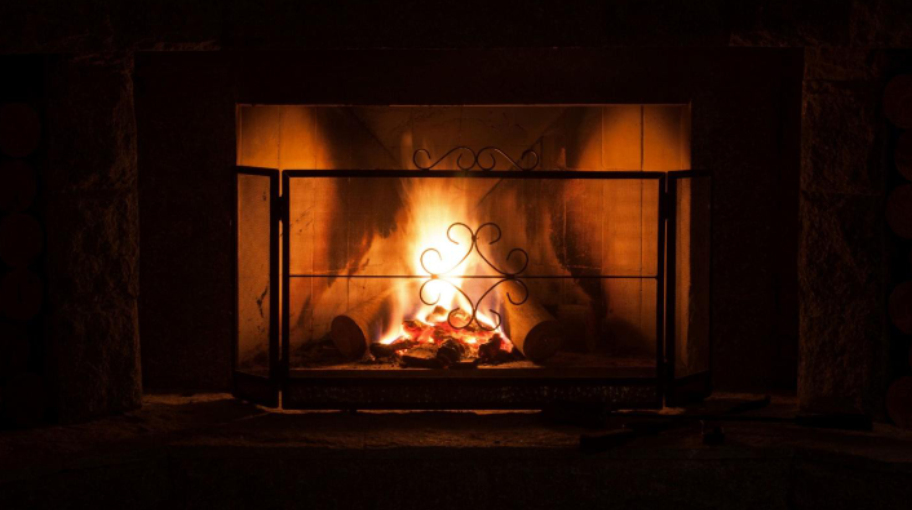
A fireplace screen functions as both an essential safety barrier and a primary design feature in your living space. Selecting the right model requires balancing thermal protection, hearth dimensions, and room aesthetics. This comprehensive guide helps homeowners navigate the wide variety of screens available today, ensuring a safe and stylish addition to any room.
Understanding Hearth Dynamics and Safety Requirements
Choosing a reliable fireplace screen starts with recognizing how open flames interact with your indoor environment. When hardwood logs burn, they undergo rapid thermal expansion that triggers minor wood pops and unexpected flying cinders. A high-density mesh or shatter-resistant glass barrier intercepts these glowing particles before they reach delicate wool rugs or finished hardwood floors. Beyond spark mitigation, a heavy-gauge frame serves as a physical perimeter that keeps young children and curious pets at a safe distance from blistering hot masonry and cast-iron fireboxes.
Evaluating Your Specific Hearth Configuration
Different heat sources demand unique screen styles based on thermal output, airflow requirements, and fuel type. Traditional wood-burning masonry hearths generate intense radiant heat and significant spark volume, making heavy wrought iron and fine steel mesh indispensable. Conversely, modern gas log inserts often utilize decorative glass shields or shallow freestanding panels that permit maximum infrared warmth to enter the room while hiding gas control valves. Electric fireplaces produce zero sparks or combustion gases, allowing homeowners to prioritize lightweight, ornate aesthetic screens without factoring in high-temperature durability.
Comparing Common Fireplace Screen Designs
Different physical designs offer distinct advantages depending on your daily fire-tending habits and room layout constraints.
Freestanding Single Panels
Single panel screens consist of a flat, rigid frame that stands upright directly in front of the masonry opening. They deliver a clean, uncluttered look that complements modern minimalist architecture. Because they lack hinges, you must lift the entire structure away whenever you need to add logs or adjust burning wood with a poker.
Hinged Multi-Panel Folding Screens
Folding screens utilize two, three, or four hinged side sections that angle inward to establish a stable, self-supporting footprint. This adjustable geometry lets you accommodate slightly uneven hearth stones or raised brick hearth extensions easily. They fold flat for effortless storage in a hall closet during warm summer months.
Sliding Mesh Pull-Curtains
Sliding mesh screens operate on an internal overhead track mounted directly inside the firebox opening. They slide open and closed smoothly like miniature drapes, providing constant spark defense without requiring floor space outside the hearth. This permanent installation remains flush against the opening, eliminating side gaps where stray embers might escape.
Tempered Glass Shield Panels
Tempered glass screens offer an unobstructed view of dancing flames while preventing conditioned indoor air from escaping up the chimney when the flue is idle. They demand frequent cleaning to remove cloudy soot films but create a sophisticated visual barrier in contemporary living spaces.
Analyzing Metal Alloys and Surface Finishes
The structural material of your screen dictates its longevity, heat retention, and cleaning requirements under constant thermal stress.
| Material Type | Ideal Room Aesthetic | Primary Functional Advantage | Routine Upkeep Required |
|---|---|---|---|
| Wrought Iron | Rustic and traditional spaces | Maximum structural weight and durability | Periodic high-temperature touch-up paint |
| Matte Black Steel | Industrial and contemporary homes | Powder-coated thermal tolerance | Gentle wipe-down with a damp microfiber cloth |
| Polished Brass | Formal and vintage-inspired decor | Warm metallic sheen and character | Regular polishing to prevent oxidation spots |
| Tempered Glass | Sleek minimalist interiors | Unimpeded flame visibility and draft block | Frequent application of specialized glass cleaner |
Mastering Accurate Hearth Measurement Techniques
Getting precise dimensions prevents purchasing a screen that leaves dangerous gaps or dwarfs your fireplace opening.
Start by measuring the interior width of your fireplace opening at its absolute widest point. Next, measure the vertical distance from the hearth floor to the top edge of the opening. Finally, calculate a safety margin by adding two to four inches to both your width and height measurements. This necessary overlap guarantees that popping embers cannot bypass the perimeter of the barrier.
Prioritizing Stability and Operational Clearance
Evaluating structural balance, frame weight, and functional clearances ensures long-term satisfaction after purchase. Heavy-gauge frames resist accidental tipping from children or pets much better than lightweight decorative units. Additionally, check that any decorative handles, scrollwork, or latch mechanisms remain cool enough to touch or are positioned away from direct radiant heat zones.
Long-Term Care and Seasonal Maintenance Routines
Proper upkeep preserves the finish of your fireplace screen and ensures dependable safety performance season after season. Remove accumulated soot and fine ash from metal mesh using a soft-bristled brush attachment on your vacuum cleaner. Inspect hinges, welded joints, and glass panels annually for hairline cracks, rust blooms, or loose fasteners. When you are looking for helpful ideas for planning social gatherings around your upgraded hearth space, reliable party preparation tips can make hosting family and friends completely seamless.
Frequently Asked Questions
Can I use a purely decorative screen with an active wood fire?
You can use decorative screens safely provided they feature a heavy-duty steel mesh backing capable of stopping flying sparks. Avoid thin stained glass or combustible materials lacking an inner protective metal mesh.
What is the best way to clean soot off wire mesh?
Allow the screen to cool completely before scrubbing gently with a soft brush, warm water, and mild dish soap. Dry the metal thoroughly with a clean towel to prevent moisture from causing rust.
Are glass fireplace screens safe for high-heat wood fires?
Yes, as long as the glass is specifically rated as tempered safety glass engineered to withstand intense thermal stress. Never use standard window glass in front of an active firebox.
How much overlap should my screen maintain over the opening?
Your screen should extend at least two inches past the masonry opening on all sides to guarantee reliable spark containment. Larger hearths often benefit from a three to four-inch margin.
Do folding multi-panel screens tip over easily?
Folding screens remain remarkably stable when arranged in an angled, zig-zag configuration rather than pulled flat. Single-panel screens or narrow folding frames may require auxiliary anchor feet for stability.
Does a fireplace screen noticeably reduce room heating?
Dense metal mesh or solid glass screens absorb and reflect a minor fraction of radiant heat back into the firebox. This slight trade-off is essential for protecting your living area from hazardous sparks.
Disclaimer: Fireplace screen specifications and safety requirements vary based on local building regulations and manufacturer instructions. Always verify weight ratings and thermal tolerances from official sources before installation.


