

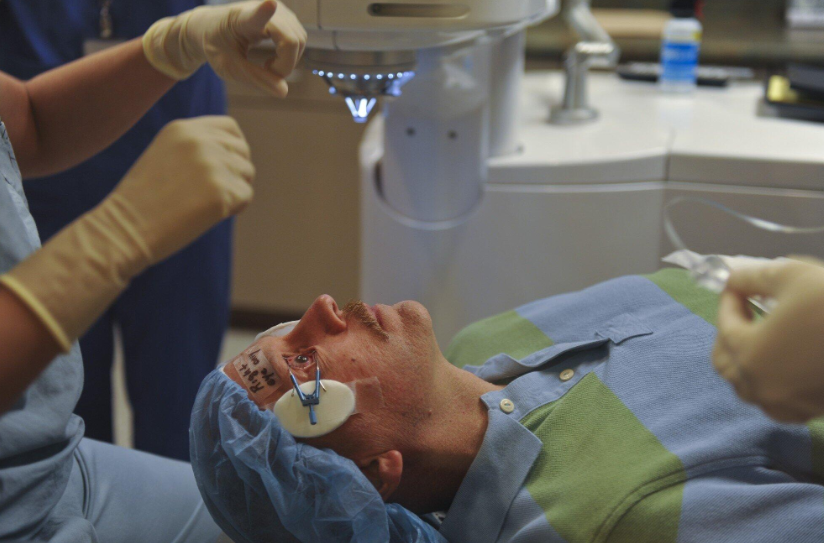
When individuals face declining visual acuity or structural eye disorders that standard eyeglasses cannot correct, ophthalmologists often recommend surgical intervention. Modern eye procedures offer meaningful relief, enhanced visual clarity, and a better overall standard of living, yet every surgical path carries distinct medical advantages and inherent physiological hazards.
Evaluating the various surgical options requires a clear look at how specific techniques function, what patients experience during healing, and where potential risks lie. This comprehensive guide examines the most frequently performed ophthalmic procedures to help patients navigate their choices with confidence.
Cataract Surgery: Replacing Cloudy Lenses for Restored Clarity
Cataract surgery removes the eye’s natural crystalline lens when protein breakdown causes clouding, replacing it with an artificial intraocular lens to bring back sharp focus.
As people age, natural proteins inside the eye clump together, turning the lens opaque and making everyday tasks like reading or driving difficult. Modern ophthalmic technology utilizes advanced femtosecond lasers to make precise incisions and break up the affected lens smoothly. Patients can choose from various intraocular lenses, including monofocal versions for distance vision or premium multifocal lenses designed to reduce reliance on reading glasses. The primary benefit is a profound restoration of light transmission, color vibrancy, and visual sharpness. Potential drawbacks include temporary dryness, minor inflammation, and a rare post-operative condition called posterior capsule opacification that requires a quick laser touch-up.
LASIK and Laser Vision Correction: Reshaping the Cornea
LASIK and similar surface ablation techniques use computer-guided ultraviolet lasers to reshape the corneal tissue and correct common refractive errors.
Laser-Assisted In Situ Keratomileusis treats nearsightedness, farsightedness, and astigmatism by altering how light rays converge on the retinal wall. Most suitable candidates experience rapid visual recovery within twenty-four to forty-three hours, often achieving functional independence from corrective lenses. However, individuals with unusually thin corneas, active eye infections, or severe dry eye syndrome are disqualified for safety reasons. Side effects can include temporary light halos at night, fluctuating daytime vision, and prolonged dryness that requires artificial tears.
Minimally Invasive Glaucoma Procedures and Drainage Implants
Glaucoma surgeries lower intraocular pressure to halt progressive optic nerve damage and protect remaining peripheral vision.
When prescription eye drops and oral medications fail to control fluid pressure inside the eye, ophthalmologists turn to laser trabeculoplasty, minimally invasive glaucoma surgery stents, or traditional trabeculectomy filtering channels. Because glaucomatous nerve damage is permanent, these interventions aim to preserve existing sight rather than reverse prior loss. The primary benefit is halting the advancement of tunnel vision and blindness. Risks involve low ocular pressure, scarring around the drainage site, and a slightly higher chance of developing cataracts later in life.
Retinal Surgery: Addressing Detachments and Diabetic Damage
Retinal surgery repairs fragile internal eye tissue to prevent irreversible blindness caused by tears, detachments, or advanced diabetic retinopathy.
Complications from diabetes or physical trauma can cause the delicate retina to pull away from the back wall of the eye, requiring vitrectomy procedures, laser sealing, or temporary gas bubble tamponade. These delicate interventions reposition the retinal layers so they receive proper blood supply and function correctly. The major benefit is stopping catastrophic vision loss and, in favorable cases, recovering partial visual function. Recovery periods are extensive, often requiring strict head positioning for weeks, while risks include infection, intraocular bleeding, and recurrent detachment.
Corneal Stabilization and Cross-Linking for Keratoconus
Keratoconus treatments strengthen a progressively thinning, cone-shaped cornea to halt structural distortion and preserve usable sight.
Keratoconus causes the central cornea to weaken and bulge outward, producing severe astigmatism that rigid gas permeable contacts struggle to manage. Corneal cross-linking uses specialized ultraviolet light and riboflavin drops to create new molecular bonds that stiffen the tissue. Advanced cases may require partial or full thickness corneal transplants to restore a smooth optical surface. These stabilizing procedures protect overall eye health and prevent the need for more invasive surgeries. Associated risks feature graft rejection, prolonged healing phases, and temporary light sensitivity.
Pre-Operative Preparation and Post-Operative Healing Expectations
Proper preparation and strict adherence to post-operative guidelines dictate how safely and comfortably an eye surgery heals.
Before any ophthalmic procedure, patients undergo detailed diagnostic mapping and discuss their medical history, medication use, and allergy profiles with their surgical team. Post-operative care typically involves using medicated eye drops on a strict schedule, wearing protective shields during sleep, and avoiding heavy lifting or swimming. For readers evaluating various medical procedures and their broader physical impacts, examining different types of law firms and their specializations can offer helpful context on navigating healthcare advocacy and patient rights.
Frequently Asked Questions
Is eye surgery painful during the procedure?
Most ophthalmic procedures utilize local numbing drops or mild sedatives, meaning patients feel pressure or mild sensations rather than sharp pain during the operation.
How soon can I return to work after refractive surgery?
Many LASIK and surface laser patients return to office work or light screen use within one to two days, provided they follow prescribed lubrication schedules.
Can both eyes be treated on the same day?
Procedures like LASIK are routinely performed on both eyes during a single visit, whereas intraocular surgeries like cataract removals are scheduled weeks apart to ensure unilateral stability.
Will I still need reading glasses after getting a multifocal lens?
While multifocal intraocular lenses significantly reduce dependence on spectacles, some individuals may still prefer low-powered reading glasses for fine print in dim light.
What symptoms indicate a serious post-operative complication?
Severe throbbing pain, sudden flashes of light, a drastic increase in floating spots, or rapid vision loss require immediate consultation with your eye surgeon.
How do I choose the right ophthalmologist for my procedure?
Look for board-certified specialists with extensive fellowship training in cornea, retina, or refractive surgery who maintain transparent success rates and hospital affiliations.
Disclaimer: This article provides general educational information and should not replace personalized medical advice from a licensed ophthalmologist. Healing timelines, candidacy requirements, and surgical outcomes vary based on individual health factors. Always consult a qualified medical professional for diagnosis and treatment planning.


