

Navigating the Persistence of Long-Haul Exhaustion
Post-COVID fatigue presents as a profound, unrelenting physical and cognitive depletion that persists long after initial viral clearance. While most individuals recover fully within weeks, a significant cohort experiences lingering debility that resists standard rest and pacing. Everyday tasks like grocery shopping or computer work suddenly require monumental energy reserves, altering personal and professional routines. Because conventional rehabilitation methods often yield limited relief for chronic fatigue symptoms, patients increasingly look toward specialized interventions designed to restore cellular vitality.
Understanding why this exhaustion lingers involves examining ongoing microvascular dysfunction and persistent immune activation throughout the body. When traditional sleep hygiene and balanced nutrition fall short, medical researchers and clinicians explore adjunct modalities that target tissue hypoxia directly. Hyperbaric oxygen therapy has emerged as one such avenue, offering a unique physiological mechanism to flood oxygen-deprived tissues with pressurized healing support.
Inside the Pressurized Chamber: Mechanics of Enhanced Oxygenation
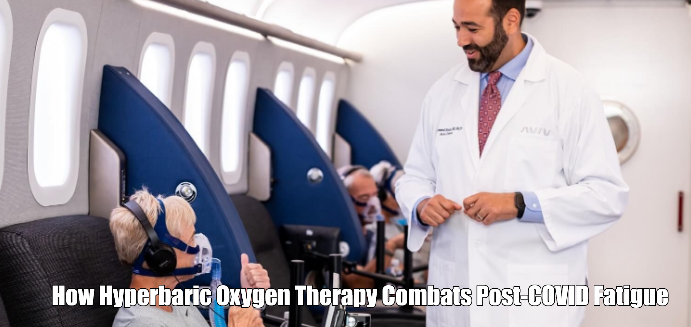
Hyperbaric oxygen therapy operates by placing individuals inside a sealed chamber where atmospheric pressure is increased well above normal sea level. Under this elevated pressure, the physical laws of gas solubility allow the lungs to dissolve substantial amounts of oxygen directly into the blood plasma. Standard respiration relies almost entirely on red blood cells for oxygen transport, but hyperbaric conditions saturate every fluid pathway in the body.
A typical clinical session runs between 60 and 90 minutes, during which patients rest quietly while breathing high-purity oxygen or pressurized ambient air. This surplus of dissolved oxygen reaches capillary beds, inflamed tissues, and areas experiencing sluggish blood flow that normal circulation often misses. By elevating oxygen tension at the cellular level, hyperbaric sessions help jump-start stalled metabolic pathways and supply energy-starved organs with vital fuel.
Lifting the Heavy Veil of Post-COVID Brain Fog
Hyperbaric oxygen therapy directly addresses neurological symptoms such as brain fog by enhancing cerebral microcirculation and neural tissue oxygenation. Long-haul sufferers frequently struggle with debilitating concentration lapses, word-finding difficulties, and severe short-term memory impairment. These cognitive deficits often stem from localized neuroinflammation and reduced cerebral blood perfusion following a coronavirus infection.
Introducing high-pressure oxygen helps reduce localized swelling within the central nervous system while nourishing neurons that are struggling to function efficiently. Over the course of a structured treatment series, patients regularly report a lifting of mental haze and improved processing speed. Restoring optimal oxygen delivery to cerebral pathways enables individuals to reclaim professional focus and mental endurance.
| Post-COVID Symptom | Underlying Tissue Challenge | Hyperbaric Oxygen Impact |
|---|---|---|
| Severe Physical Exhaustion | Impaired cellular respiration and ATP depletion | Increases plasma oxygen to reactivate mitochondrial energy production |
| Cognitive Brain Fog | Cerebral microvascular dysfunction and neural inflammation | Boosts blood-brain oxygen delivery and reduces localized swelling |
| Prolonged Muscle Soreness | Stalled tissue repair and lingering oxidative stress | Stimulates collagen synthesis and new capillary formation |
Calming Systemic Inflammation and Triggering Cellular Repairs
Hyperbaric oxygen therapy modulates chronic inflammatory cascades and encourages angiogenesis to repair damaged blood vessel networks. Persistent immune activation keeps long-haul patients trapped in a cycle of systemic inflammation, muscle aches, and malaise. High-pressure oxygen exposure actively downregulates inflammatory cytokines while stimulating fibroblasts and growth factors essential for tissue healing.
This regenerative response allows compromised microvessels to rebuild, restoring normal nutrient delivery to exhausted skeletal muscles and internal organs. As inflammatory markers recede and tissue integrity improves, physical stamina begins a steady upward trajectory. For individuals interested in comprehensive recovery plans, pairing clinical treatments with holistic therapy healing approach strategies can further support whole-body restoration and stress resilience.
Additionally, patients navigating complex rehabilitation schedules may benefit from reviewing tailored athletic rehabilitation protocols to manage physical exertion levels safely.
Evaluating Practical Realities: Costs, Commitments, and Clinical Guidelines
Committing to a course of hyperbaric sessions requires weighing significant time investments against out-of-pocket financial expenses. Standard medical protocols for long-haul fatigue typically mandate multiple weekly visits spanning several weeks to achieve lasting physiological shifts. Patients must secure medical clearance from a qualified physician beforehand to screen for absolute contraindications like untreated pneumothorax or severe sinus disease.
Because major insurance providers frequently classify hyperbaric therapy for post-COVID fatigue as an off-label or elective procedure, coverage is rarely guaranteed. Patients usually shoulder session fees directly at specialized private clinics, making careful financial planning an essential step. Reviewing these logistical and monetary factors ensures that individuals approach treatment with realistic expectations.
Interpreting Current Scientific Trials and Clinical Evidence
Current clinical literature examining hyperbaric oxygen therapy for long COVID consists largely of specialized pilot trials and controlled patient-response studies. Early published data indicate that structured chamber protocols can yield measurable gains in cognitive performance, tissue perfusion, and daily energy scores. Medical researchers emphasize, however, that larger randomized controlled trials remain necessary to solidify universal clinical guidelines.
Responses across patient cohorts vary due to individual differences in baseline health and viral persistence patterns. Viewing hyperbaric interventions as promising adjunctive options backed by encouraging preliminary data helps maintain a balanced perspective. Consulting knowledgeable healthcare providers ensures treatment decisions align with verified clinical findings rather than unverified claims.
Frequently Asked Questions
Does undergoing hyperbaric oxygen therapy cause physical pain?
The treatment itself is painless, though patients typically experience a mild popping sensation in their ears during compression, much like an airplane descending.
How many total sessions do patients usually complete?
Protocols vary by clinic and symptom severity, but many clinical evaluation trials utilize treatment courses consisting of 20 to 40 individual sessions.
What side effects might occur inside the chamber?
Temporary side effects can include mild sinus squeeze, transient changes in visual acuity, and occasional fatigue immediately following a session.
Will health insurance reimburse treatment costs for post-COVID fatigue?
Standard insurance plans rarely cover off-label uses for chronic fatigue, meaning patients generally pay out of pocket at private facilities.
Can hyperbaric sessions replace standard rest and rehabilitation?
Hyperbaric therapy acts as a supportive complement rather than a replacement for proper nutrition, pacing strategies, and conventional medical guidance.
Who must avoid hyperbaric oxygen chambers entirely?
Individuals with untreated lung collapse, severe chronic obstructive pulmonary disease, or acute middle ear infections must avoid high-pressure chambers until fully cleared.
Disclaimer: The details provided here serve educational purposes and do not constitute formal medical advice. Hyperbaric oxygen protocols and individual clinical responses vary widely. Always consult a qualified physician before initiating any new medical treatment or recovery program.

Daniel J. Morgan is the founder of Invidiata Magazine, a premier publication showcasing luxury living, arts, and culture. With a passion for excellence, Daniel has established the magazine as a beacon of sophistication and refinement, captivating discerning audiences worldwide.


[…] Medical Disclaimer: This article is for informational and educational purposes only and does not substitute for professional medical advice, diagnosis, or treatment. Always seek the advice of your physician or other qualified health provider with any questions regarding a medical condition. For related healthcare insights into managing lingering exhaustion after illness, you can also review resources discussing post-covid fatigue recovery therapies. […]