

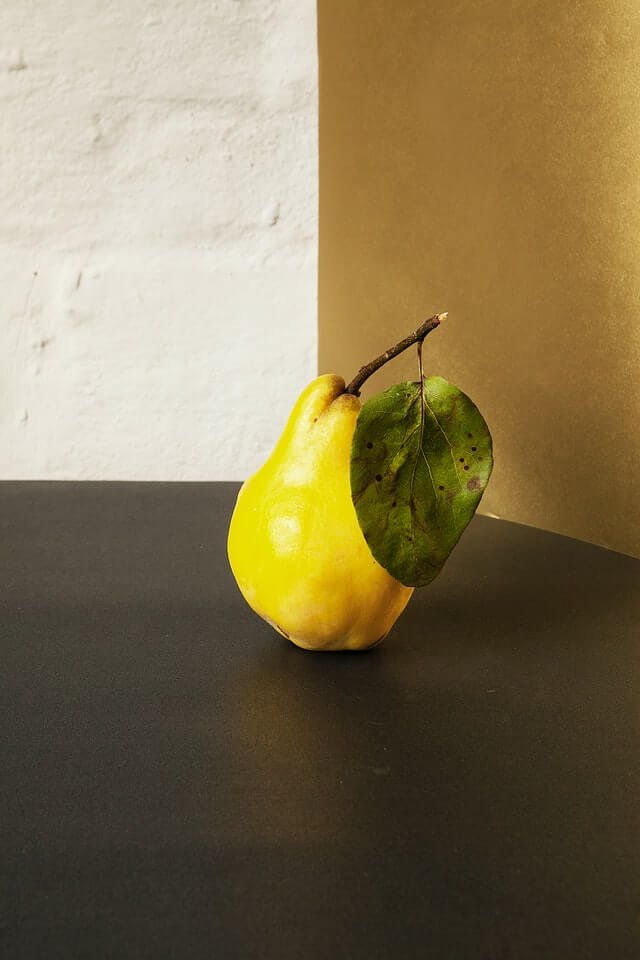
A mild, sweet fruit with a fibrous center often refers to unique tropical delights such as the cherimoya, soursop, or related custard apples, which offer a creamy texture alongside subtle tropical flavors. These intriguing fruits are celebrated not only for their distinct appearance and lush consistency but also for their fascinating blend of textures that combines a custard-like flesh with a fibrous core. Exploring such botanical treats opens up wonderful new culinary experiences for anyone looking to step beyond standard supermarket produce and discover exotic varieties.
Uncovering the Creamy Texture and Custard-Like Flavor Profile
This fruit tastes like a delicate blend of tropical flavors such as banana, pineapple, and strawberry, accompanied by a rich, custard-like texture and a slightly fibrous center.
When you slice open a fresh cherimoya or a similar custard fruit, the interior reveals segmented, ivory-white flesh wrapped around shiny, dark seeds. The visual appearance resembles a combination of a pear and an artichoke due to its scaly or bumpy green skin. As you scoop out the flesh, you will notice that the texture is remarkably smooth near the outer edges, while the central core holds a more fibrous composition that anchors the seeds. This unusual structural arrangement gives the fruit its signature mouthfeel, setting it apart from standard stone fruits or common citrus varieties.
Mastering the Safe Cutting and Seed Removal Process
Preparing this fruit requires cutting it in half and scooping out the edible flesh with a spoon while carefully discarding the toxic black seeds.
Before cutting into the fruit, ensure it yields gently to light pressure, similar to a ripe avocado or a peach. Use a sharp kitchen knife to slice the fruit right down the middle to expose the inner chambers. Because the seeds contain compounds that should not be consumed, take extra care to remove every dark seed from each spoonful before serving. The delicate flesh oxidizes quickly when exposed to air, so it is best enjoyed immediately after slicing or drizzled with a small amount of fresh lime juice to preserve its vibrant color.
Evaluating Dietary Value and Essential Macronutrients
This tropical fruit provides a healthy dose of dietary fiber, vitamin C, potassium, and essential antioxidants that support overall wellness.
Incorporating a fibrous tropical fruit into your diet contributes to healthy digestion and helps maintain steady energy levels throughout the day. The following table outlines the general nutritional components typically found in a standard serving of similar custard fruits:
| Nutrient Component | Estimated Value per Serving |
| Dietary Fiber | Promotes healthy digestion and gut regularity |
| Vitamin C | Supports immune function and skin health |
| Potassium | Assists in maintaining proper fluid balance |
| Natural Sugars | Provides a clean source of wholesome energy |
Beyond basic vitamins, the presence of various antioxidants helps combat oxidative stress within the body. While these fruits are delicious and nourishing, moderation remains key as part of a balanced diet.
Crafting Refreshing Desserts and Culinary Pairings
This fruit works best in cool preparations such as fresh fruit salads, smoothies, or homemade dairy-free ice creams.
Because cooking can alter its delicate flavor profile and soft texture, culinary experts generally recommend serving the fruit raw. Chilling the fruit in the refrigerator for an hour before eating enhances its refreshing qualities. You can also blend the creamy flesh into yogurt bowls or transform it into a tropical sorbet for a light dessert.
Addressing Frequently Asked Questions About Custard Fruits
Addressing common questions helps clear up any confusion regarding how to select, handle, and enjoy this unique botanical treat safely.
Can you eat the skin of this fruit?
No, the outer skin is tough, inedible, and often contains compounds that can irritate the digestive tract, so it should always be peeled away.
Are the seeds safe to swallow?
The seeds are toxic if crushed or swallowed and must be completely removed prior to eating the flesh.
How do you know when the fruit is ripe?
A ripe fruit yields gently to soft thumb pressure and may develop a fragrant, sweet aroma near the stem.
Where can you typically buy this fruit?
Specialty grocers, farmers’ markets, and large international supermarkets are the best places to find fresh tropical varieties.
How should you store unripe fruit at home?
Keep firm fruit at room temperature on the counter until it softens, then transfer ripe fruit directly to the refrigerator.
Does the fibrous center taste different from the rest of the fruit?
The central core has a slightly tougher texture but shares the same mild, sweet flavor profile as the outer flesh.
Can I learn more about healthy lifestyle topics?
For more on healthy lifestyle topics and specialized care options, see our guide on choosing the right diabetes management center to support long-term wellness.
Disclaimer: Botanical availability, nutritional data, and ripening habits can vary based on growing regions and specific varieties. Readers should always verify final information and consult official agricultural or dietary sources before making major changes to their nutrition.

Daniel J. Morgan is the founder of Invidiata Magazine, a premier publication showcasing luxury living, arts, and culture. With a passion for excellence, Daniel has established the magazine as a beacon of sophistication and refinement, captivating discerning audiences worldwide.


