

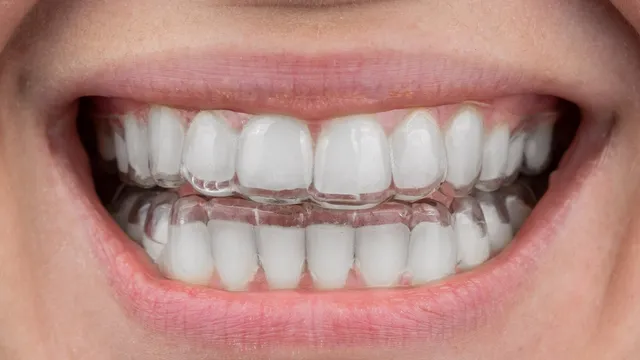
Attaining the smile of your dreams no longer requires uncomfortable metal wires and rigid brackets. Clear aligners offer a transparent, customized approach to straightening teeth with minimal daily hassle.
Understanding the core mechanics and day-to-day realities of this modern orthodontic option helps patients make informed decisions about their dental care.
How Transparent Plastic Trays Guide Teeth Into Place
Clear aligners operate by applying constant, gentle pressure on targeted teeth to shift them into a more desirable position over a series of weeks.
These custom-designed orthodontic devices fit snugly over the upper and lower dental arches, gradually coaxing crooked or misaligned teeth toward their ideal positions. Patients must wear these removable appliances for about twenty to twenty-two hours per day to ensure consistent progress. Each set of trays is typically worn for approximately two weeks before transitioning to the next appliance in the prescribed series. This gradual mechanical process provides a comfortable and effective alternative to fixed metal hardware.
Comparing Removable Aligners Against Fixed Metal Braces
Evaluating clear aligners alongside traditional brackets highlights distinct advantages in visual discretion, daily comfort, and oral hygiene maintenance.
| Comparison Factor | Clear Aligners | Traditional Braces |
|---|---|---|
| Aesthetics | Nearly invisible transparent trays | Visible metal brackets and wires |
| Removability | Removable for eating and cleaning | Permanently bonded until removal by a dentist |
| Dietary Restrictions | None, as trays are removed during meals | Restricts hard, sticky, or chewy foods |
| Oral Hygiene | Easy brushing and flossing normally | Requires specialized floss threaders and extra care |
The smooth finish of medical-grade plastic prevents the soft-tissue irritation often caused by metallic brackets. Furthermore, patients maintain dietary freedom and can easily brush their teeth without navigating around fixed metal hardware.
Specific Dental Misalignments Corrected by Removable Trays
Clear aligners successfully treat mild to moderate dental misalignments, restoring both bite function and aesthetic appeal.
A crossbite occurs when upper teeth bite inside the lower teeth, potentially leading to uneven tooth wear and jaw discomfort. An overbite features upper front teeth overlapping excessively over lower front teeth, while an overjet creates a noticeable horizontal gap between upper and lower dental arches. Crowded teeth happen when jaw space is insufficient, causing overlapping or rotated positioning. Clear aligners gently resolve these structural concerns for many patients.
The Clinical Workflow Behind Custom Aligner Fabrication
The pathway from initial consultation to final alignment follows a structured clinical workflow utilizing advanced digital technology.
The journey begins with a professional dental check-up to assess overall jaw and teeth health. Dentists then capture precise 3D digital scans of the mouth to create exact virtual models for treatment planning. These digital impressions map out the complete sequence of tooth movement from start to finish. Thermoforming technology then uses these digital models to heat and mold thin plastic sheets into custom-fitted aligner trays. Patients receive clear instructions on insertion schedules and daily wear protocols before beginning their treatment.
Daily Compliance Habits and Proper Appliance Upkeep
Successful orthodontic outcomes depend heavily on consistent daily wear and diligent tray maintenance.
Failing to wear the trays for the recommended twenty to twenty-two hours daily can stall tooth movement and cause ill-fitting future trays. Proper daily care involves washing the aligners in running water with mild soap or specialized cleaning agents while avoiding hot water that can warp the plastic. Storing trays inside a dedicated protective case prevents accidental damage or loss when eating.
Securing Long-Term Results Through Post-Treatment Retainers
Completing active aligner therapy requires transitioning to retainers to lock in the newly achieved tooth positions.
Teeth have a natural tendency to shift back toward their original alignment after pressure is removed. Dentists provide custom retainers to wear at night or as prescribed to prevent relapse and keep smiles stable over the long term. For more insights on maintaining a healthy mouth, you can read our expert care for a healthy smile guide.
Common Inquiries Regarding Aligner Therapy
How long does clear aligner treatment take?
Treatment duration varies depending on individual dental needs, but most cases range from six to eighteen months.
Can I drink liquids while wearing my aligners?
Patients should only drink plain water while wearing aligners to prevent staining the trays or trapping sugary liquids against the teeth.
Do clear aligners cause speech impediments?
Some patients experience a minor lisp for the first couple of days, but speech quickly returns to normal as the tongue adjusts.
Are aligner trays painful to wear?
New trays can cause mild pressure or soreness for the first day or two, which is a normal sign that the gentle shifting process is working.
How often do I need to visit my dentist during treatment?
Dentists typically schedule progress check-ups every six to eight weeks to ensure teeth are tracking according to the digital plan.
Can teenagers use clear aligners?
Yes, clear aligners are suitable for many teenagers, and some systems feature compliance indicators to track daily wear time.
Disclaimer: This article provides general information about clear aligners and orthodontic care. Treatment outcomes and protocols can vary by individual. Readers should consult a qualified dental professional for personalized advice and official treatment details.

Daniel J. Morgan is the founder of Invidiata Magazine, a premier publication showcasing luxury living, arts, and culture. With a passion for excellence, Daniel has established the magazine as a beacon of sophistication and refinement, captivating discerning audiences worldwide.


