

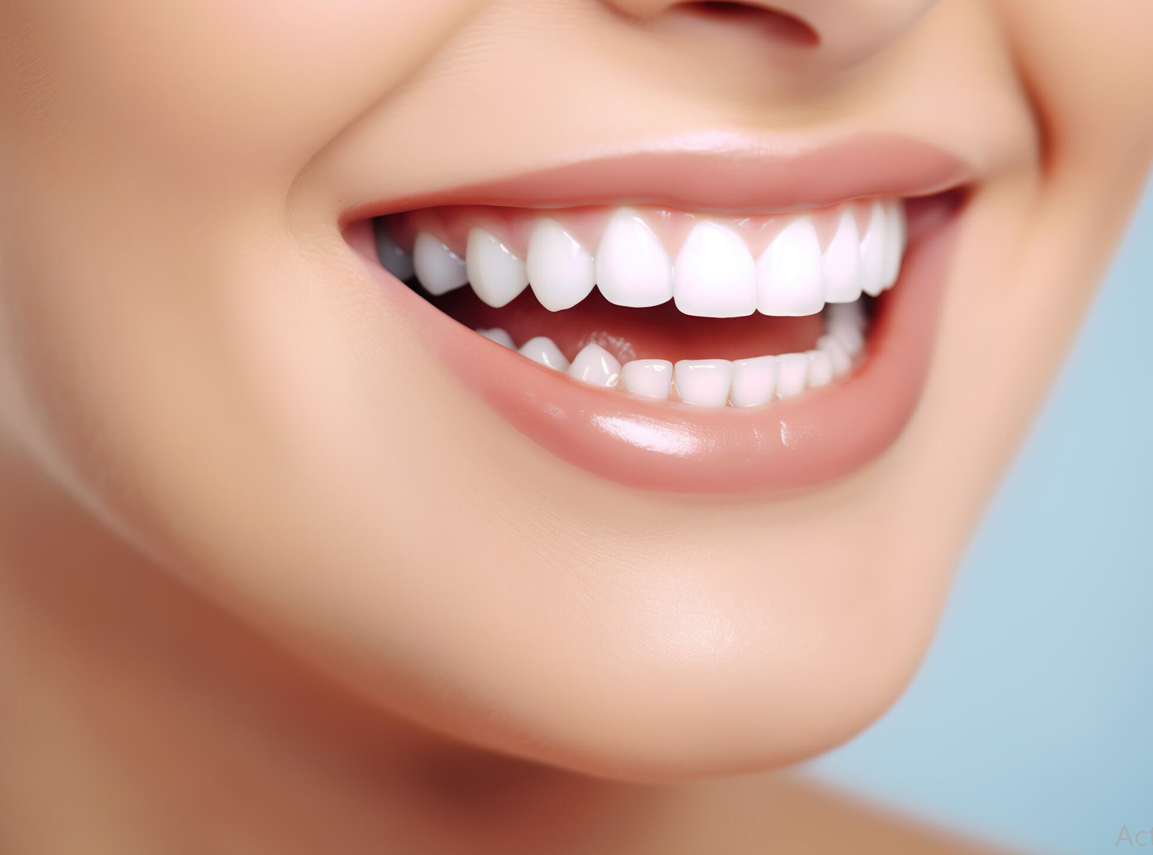
When it comes to enhancing your smile, a customized dental treatment plan is essential for balancing aesthetic improvements with long-term oral health. With ongoing advancements in cosmetic dentistry, patients can choose from an extensive variety of treatments and tailor them closely to unique personal requirements. Whatever teeth issues you are currently dealing with, selecting the correct approach can make a monumental difference in both visual appearance and functional confidence. Understanding the options available will ultimately empower you to make an informed, confident clinical choice.
Mapping Visual Smile Imperfections to Specific Dental Solutions
Categorizing your specific dental imperfections helps establish a clear clinical baseline before choosing any cosmetic procedure.
Before diving into specific treatments, it is important to recognize the various dental imperfections you might want to address. These common visual and structural flaws can include surface staining, stubborn discoloration, chips or cracks in tooth enamel, misaligned or crooked teeth, unsightly gaps, and uneven or misshapen teeth. Identifying your specific concerns with your smile is the first step toward a satisfactory treatment solution. A combination of issues often requires a comprehensive approach, making it crucial to discuss your individual cosmetic expectations openly with a qualified dentist.
Comparing Durability, Invasiveness, and Financial Investment
Comparing standard cosmetic procedures side-by-side allows patients to weigh invasive levels, expected durability, and typical financial investments at a glance.
| Treatment Type | Primary Focus | Invasiveness | Durability |
|---|---|---|---|
| Teeth Whitening | Stains and discoloration | None | 6 to 24 months |
| Dental Bonding | Chips, gaps, and minor flaws | Low | 3 to 10 years |
| Porcelain Veneers | Comprehensive surface flaws | Moderate | 10 to 15+ years |
| Invisalign | Teeth alignment and bite spacing | Low to Moderate | Permanent (with retainers) |
| Dental Implants | Missing tooth replacement | High (Surgical) | Decades to Lifetime |
Selecting Appropriate Enamel and Structural Enhancements
Each distinct cosmetic procedure serves a specialized purpose, and learning the operational details behind them ensures you select a viable path forward.
Professional teeth whitening is ideal for individuals dealing with extrinsic stains caused by dietary habits or aging, offering both in-office power bleaching and customized take-home trays. Dental veneers are thin, custom-made ceramic shells bonded to the front of teeth to correct deep discoloration, cracks, and minor misalignment with minimal enamel reduction. For more targeted fixes, dental bonding uses a flexible, tooth-colored composite resin to sculpt away minor chips or close small gaps in a single dental appointment. Meanwhile, clear aligners like Invisalign provide a discreet alternative to metal braces by gently shifting crooked teeth using removable plastic trays. For patients dealing with lost teeth, dental implants involve placing a titanium post into the jawbone to support a lifelike crown, offering a permanent structural foundation. For deeper structural replacements beyond surface cosmetic work, you may also want to evaluate options outlined in a complete guide to choosing dental restorations to understand how functional dental health ties into your aesthetic goals.
Utilizing Digital Smile Design and Intraoral Scanners
A comprehensive consultation with a cosmetic dentist relies on advanced imaging tools to preview your prospective smile before treatment begins.
Prepare to discuss your medical history, oral health goals, previous dental work, and overall budget during your initial visit. Modern dental practices frequently incorporate digital smile design and intraoral 3D scanners to map out your oral anatomy with incredible precision. This advanced technology allows patients to visualize potential post-treatment results on a screen before any physical dental work actually begins. During this appointment, your dentist will evaluate your bite, check for underlying gum disease, and determine whether a standalone procedure or a combination of treatments is necessary to achieve your desired aesthetic outcome.
Navigating Dental Insurance and Out-of-Pocket Financing
Understanding the financial boundary between cosmetic enhancements and medically necessary dental care is crucial for managing your out-of-pocket expenses.
Many traditional dental insurance plans offer limited or zero coverage for elective procedures like teeth whitening or purely aesthetic veneers, meaning patients often bear the primary financial burden. However, if a procedure also serves a restorative or health-related function—such as a dental implant replacing a missing tooth that threatens jawbone integrity—partial coverage may apply. To navigate this effectively, contact your insurance provider beforehand to clarify your exact policy limits. Following that discussion, talk openly with your dentist’s administrative team to explore third-party financing options, medical credit lines, or structured internal payment plans that break down large investments into manageable monthly installments.
Preserving Longevity Through Daily Oral Hygiene Routines
Proper home care and consistent professional checkups ensure that your newly enhanced smile stays bright and structurally sound for years to come.
Once you have invested time and money into a cosmetic dental treatment plan, maintaining your results requires strict dedication to daily oral hygiene. Brushing twice a day with non-abrasive toothpaste, flossing daily, and attending routine dental cleanings are non-negotiable habits for safeguarding porcelain, composite resin, or natural tooth enamel. Furthermore, lifestyle habits play a major role in how long your results last. Quitting smoking, limiting staining beverages like coffee and red wine, and wearing a custom nightguard if you suffer from bruxism (teeth grinding) will protect your cosmetic dental work from premature wear and staining.
Common Questions Regarding Cosmetic Dentistry
How do I know if I need cosmetic dentistry or restorative dentistry?
Cosmetic dentistry primarily focuses on improving the visual appearance of your teeth, gums, and bite, while restorative dentistry focuses on repairing functional damage, decay, or disease. Many modern dental treatment plans seamlessly combine both approaches to restore beauty and health simultaneously.
Are cosmetic dental procedures painful?
Most cosmetic procedures involve minimal discomfort, and dentists routinely use local anesthesia or gentle numbing gels during invasive steps like veneer preparation or implant placement. Mild sensitivity following treatments like teeth whitening or bonding is normal and typically subsides within a few days.
How long do porcelain veneers typically last?
High-quality porcelain veneers typically last between 10 and 15 years, and sometimes even longer with excellent oral hygiene and protective habits like wearing a nightguard. Routine dental checkups ensure that any minor edge wear is caught and managed early.
Will dental insurance pay for my cosmetic treatment plan?
Standard dental insurance rarely covers elective procedures that are performed solely for aesthetic improvement. However, if a procedure provides a functional or structural health benefit, a portion of the treatment cost may qualify for coverage.
Can multiple cosmetic dental treatments be performed at the same time?
Yes, many patients undergo comprehensive smile makeovers that combine treatments like teeth whitening, orthodontic alignment, and veneers. Your cosmetic dentist will sequence these procedures safely to ensure your oral health remains stable throughout the process.
What is the most cost-effective cosmetic dental treatment?
Dental bonding and professional in-office teeth whitening are generally the most affordable cosmetic treatments available. They provide immediate visual improvements without requiring extensive laboratory work or surgical intervention.
How should I prepare for my first cosmetic dental consultation?
Bring a clear list of what you want to change about your smile, along with your dental history and budget expectations. Collecting inspirational photos of smiles you admire can also help communicate your precise aesthetic goals to your dentist.
Disclaimer: This article is for informational and educational purposes only and should not be construed as professional medical or dental advice. Final diagnosis, treatment recommendations, and pricing must always be determined through a personalized physical examination by a qualified, licensed dental professional.


