
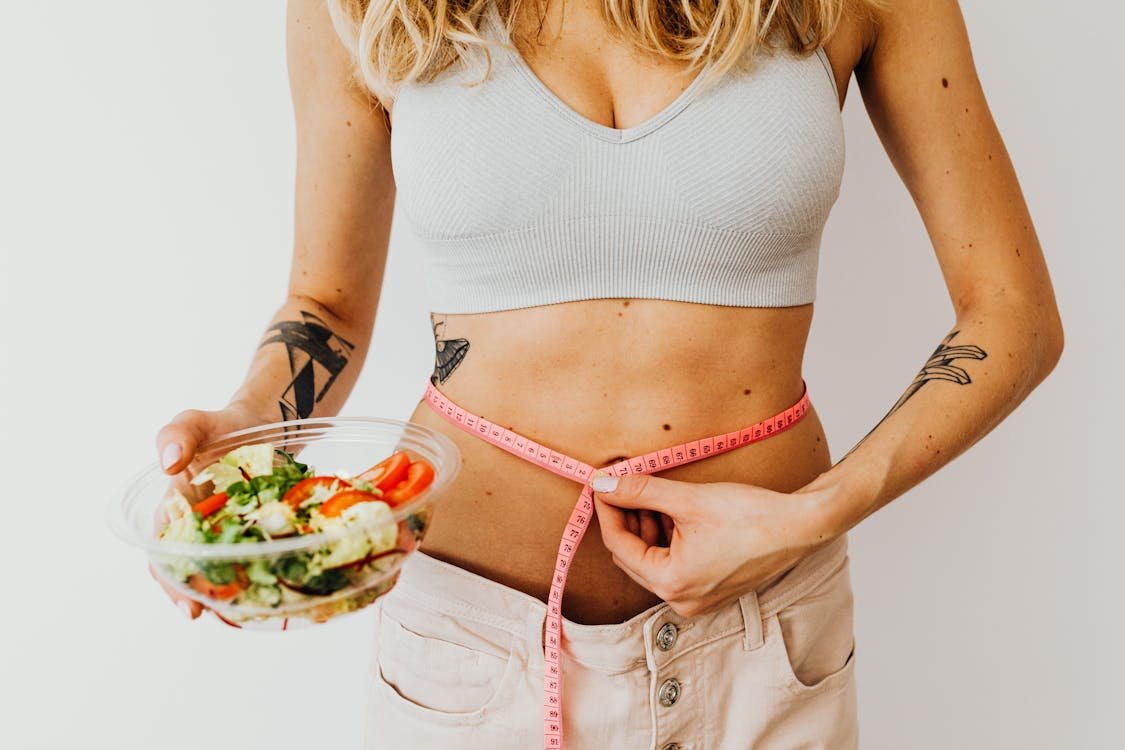
Achieving a sculpted waistline is a goal for many individuals looking to enhance their body contours and boost their confidence. With advancements in cosmetic procedures and lifestyle techniques, reaching this goal has become more accessible. However, understanding the journey, from preparation to recovery, is crucial for setting realistic expectations. Here, we explore what to expect when pursuing a more defined waistline through medical procedures, lifestyle changes, and ongoing maintenance.
Understanding Your Options: Surgical vs. Non-Invasive Body Contouring
Choosing the right waistline enhancement path depends entirely on your specific body composition, aesthetic goals, and how much downtime you can comfortably manage.
Surgical methods like traditional liposuction involve removing excess fat deposits directly from targeted areas such as the abdomen, flanks, and lower back. Modern techniques have evolved to provide natural contours, even for plus-size patients. These surgical interventions are best suited for stubborn pockets of fat that do not respond to traditional diet and exercise.
On the other hand, non-invasive treatments provide alternative pathways for individuals seeking lighter interventions. Technologies such as laser fat reduction, ultrasound energy, and high-intensity focused electromagnetic (HIFEM) devices target fat cells and build muscle tone simultaneously. These non-invasive options typically require zero downtime, though they often require multiple sessions to achieve noticeable results.
The Consultation Process: Assessing Skin, Fat, and Muscle
A comprehensive consultation with a qualified, board-certified plastic surgeon or licensed medical professional determines whether your goals match what treatments can deliver.
During this appointment, the specialist evaluates three critical physical factors: skin elasticity, subcutaneous fat distribution, and underlying abdominal muscle separation, medically referred to as diastasis recti. If your skin lacks elasticity after significant weight loss, simple liposuction might leave you with loose, hanging skin. In such cases, physicians often recommend a combined approach, pairing liposuction with a tummy tuck to tighten muscles and remove redundant tissue simultaneously.
Your consultation is also the time to review your complete medical history, discuss any previous abdominal surgeries, and outline realistic expectations. Transparent communication ensures that your provider can design a tailored treatment package rather than applying a generic template.
What the Recovery Timeline Really Looks Like
Navigating the post-procedure recovery phase requires patience, careful adherence to medical instructions, and the use of supportive garments.
For surgical waistline contouring, patients should anticipate temporary swelling, bruising, and mild soreness during the first two to three weeks. Surgeons typically prescribe medical-grade compression garments to wear continuously for several weeks. These garments minimize fluid buildup, support healing tissues, and help the skin contract smoothly over your new contours.
Many modern clinics now incorporate specialized post-operative care protocols, such as manual lymphatic drainage massage. These gentle therapeutic massages help accelerate the reduction of swelling, soften scar tissue, and prevent localized fluid pockets known as seromas. While initial changes appear soon after surgery, the final sculpted result usually emerges between three and six months as internal healing fully concludes.
The Foundation of Results: Diet, Exercise, and Core Strength
Medical body contouring permanently removes targeted fat cells, but maintaining your new silhouette requires long-term dedication to healthy habits.
Core-strengthening exercises reinforce your abdominal wall and enhance the overall definition of your waist. Planks, controlled crunches, side rotations, and functional full-body weight training keep your metabolism active. Combining strength work with cardiovascular workouts like swimming, cycling, or brisk walking prevents overall fat accumulation.
Nutrition also plays a vital role in keeping your waistline trim. A balanced eating pattern focused on lean proteins, fiber-rich vegetables, whole grains, and healthy fats keeps energy stable. Proper daily hydration supports metabolic function, while adequate sleep helps regulate cortisol and other weight-related hormones.
Managing Expectations and Emotional Well-Being
Approaching body contouring with a healthy psychological mindset ensures that physical improvements positively impact your overall quality of life.
Cosmetic procedures refine body contours and improve clothing fit, but they are never substitutes for overall weight loss or emotional well-being. Recognizing the inherent limits of medical treatments helps prevent disappointment. While a sculpted waistline can significantly boost self-confidence and body positivity, your core self-worth remains grounded in your overall health and personal character.
For individuals managing major physical transitions or recovery milestones, practicing holistic self-care is essential. When navigating physical changes and healing milestones, readers can also explore broader physical recovery guides such as severe injury rehabilitation and adjustment to better understand how the body adapts over time.
Frequently Asked Questions
Is liposuction for the waist considered a permanent fat removal solution?
Yes, the fat cells removed during liposuction do not grow back. However, remaining fat cells in the body can still expand if you experience significant weight gain.
How soon after surgery can I return to normal work activities?
Most patients take between one to two weeks away from work for initial recovery, depending on the physical demands of their job and the extent of the procedure.
Will non-invasive treatments give me the same results as surgery?
Non-invasive body contouring offers subtle, gradual improvements with no downtime, but it cannot match the dramatic fat reduction and skin tightening achieved through surgery.
Why are compression garments mandatory after waistline surgery?
Compression garments apply steady, even pressure that minimizes post-operative swelling, prevents fluid accumulation, and helps the skin adhere to your new contours.
Can I combine waistline procedures with other body contouring treatments?
Yes, many patients combine procedures, such as pairing liposuction with a tummy tuck or fat transfer, to address multiple aesthetic goals during a single surgical session.
What role does lymphatic drainage massage play during recovery?
Lymphatic drainage massage helps move trapped fluids away from surgical areas, significantly reducing post-operative swelling and preventing tissue fibrosis.
Disclaimer: The information provided in this guide is for educational purposes and should not replace professional medical advice. Always consult a qualified, board-certified specialist to discuss your individual health needs, procedural options, and expected recovery timelines before making medical decisions.

Daniel J. Morgan is the founder of Invidiata Magazine, a premier publication showcasing luxury living, arts, and culture. With a passion for excellence, Daniel has established the magazine as a beacon of sophistication and refinement, captivating discerning audiences worldwide.


