
Experiencing a severe motor vehicle collision disrupts daily routines immediately, throwing drivers and passengers into a stressful environment of shock, vehicle damage, and unexpected trauma. Knowing the right actions to take during those chaotic first moments ensures that everyone receives proper medical attention while laying a solid operational foundation for subsequent insurance claims and legal proceedings. This comprehensive guide outlines the vital physical, digital, and legal protocols necessary to protect your well-being after dealing with serious road accidents.
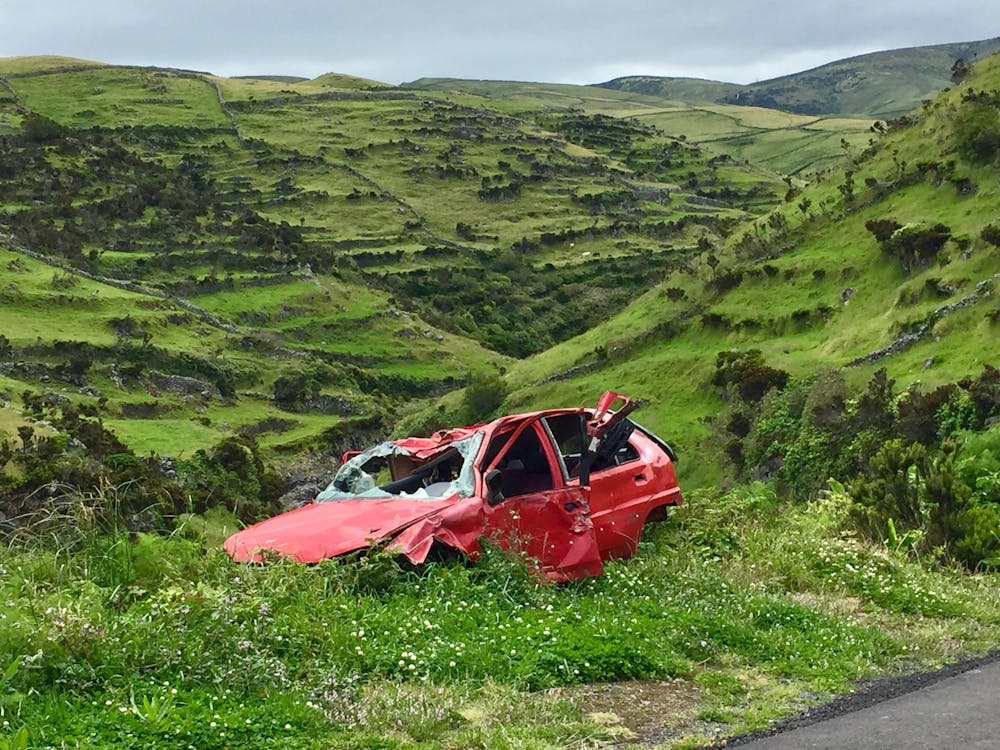
Securing Immediate Safety and Health at the Crash Scene
Protecting personal safety and moving occupants away from active traffic lanes is the absolute priority during the initial moments following a major impact.
When automobiles remain operable and drivers are physically capable of moving them, steering the vehicles onto the highway shoulder or a nearby side street prevents dangerous secondary collisions on high-speed roadways. Activating hazard lights immediately alerts approaching motorists to sudden speed reductions or roadway obstructions ahead. If vehicles suffer disabling damage that prevents movement, passengers should exit the roadway entirely and wait safely behind guardrails rather than remaining inside stalled cars within active lanes. Once everyone reaches a secure location, checking for visible bleeding, dizziness, or sharp pain helps determine whether emergency medical dispatchers need to be contacted right away.
Systematically Collecting Physical and Digital Evidence Before Cleanup
Gathering robust physical and digital proof requires careful attention to detail before police officers or towing services clear the accident scene.
While standard photographs of dented body panels and shattered glass are helpful, comprehensive visual documentation should capture wide-angle perspectives of intersection layouts, faded lane markings, traffic control signals, skid marks, and scattered debris fields. Modern evidence collection also relies heavily on digital records such as personal dashcam video files, security camera angles requested from nearby commercial buildings, or municipal traffic camera footage. Eyewitness accounts provide unbiased corroboration, making it wise to collect phone numbers and names from bystanders before they depart the location. Drivers looking for deeper insight into vehicular mishap protocols can read this detailed resource on safeguarding personal rights during vehicle collisions.
Protocol for Hit-and-Run Incidents and Commercial Truck Collisions
Collisions involving fleeing motorists or commercial semi-trucks demand specialized investigative steps to preserve liability and identify responsible parties.
When another motorist flees the scene of a crash, recording even partial details such as vehicle color, make, partial license plate digits, and direction of travel gives law enforcement an immediate starting point for investigation. Commercial truck accidents, by contrast, involve complex federal safety regulations, corporate trucking fleets, and specialized electronic logging devices that track driver rest hours and vehicle speed. Preserving trucker-specific evidence requires acting quickly through legal channels to prevent corporate transport companies from altering logbook data or repairing vehicle mechanical defects before independent accident reconstruction experts inspect them.
Managing Medical Evaluations and Identifying Hidden Trauma
Prioritizing professional medical examinations without delay ensures that hidden internal injuries are diagnosed, treated, and documented accurately.
Adrenaline surges frequently mask severe physical trauma immediately after a major crash, causing victims to overlook dangerous conditions like concussions, torn ligaments, internal bleeding, or delayed whiplash. Visiting an emergency room or a primary care physician on the exact same day as the incident establishes an unbroken timeline connecting the physical trauma directly to the collision event. Insurance adjusters regularly scrutinize any gaps in medical treatment, making consistent attendance at recommended follow-up appointments and physical therapy sessions vital for both physical recovery and claim validity.
Navigating Insurance Adjuster Communications Without Harming Your Claim
Communicating with insurance providers requires a disciplined approach that fulfills policy notification requirements without compromising your financial position.
Insurance contracts mandate prompt notification following an accident, but policyholders should stick strictly to basic factual statements regarding time, date, and location. Recorded statements given to aggressive insurance adjusters without legal preparation can lead to accidental admissions of fault or misinterpreted estimates of speed and distance. Keeping an organized physical binder containing medical bills, repair estimates, police reference numbers, and written notes from every insurance phone call prevents confusion and streamlines final settlement discussions.
| Accident Scenario | Primary Immediate Priority | Essential Evidence to Gather |
|---|---|---|
| Standard Passenger Car Collision | Moving to safety and checking occupants | Scene photos, insurance cards, police report number |
| Commercial Truck Incident | Securing trucking logs and fleet details | Carrier identification, electronic log data, witness notes |
| Hit-and-Run Situation | Recording vehicle description and calling police | Dashcam files, surveillance clips, witness contacts |
Evaluating Legal Deadlines and Professional Representation Options
Knowing when to hire an attorney helps navigate complex liability disputes and statutory time limits for filing formal lawsuits.
While straightforward property damage claims can often be settled directly, serious road accidents involving severe injuries or disputed fault benefit greatly from professional legal advocacy. Attorneys understand statutory deadlines known as statutes of limitations, which set strict cut-off dates for initiating personal injury claims within specific regional jurisdictions. Having experienced legal counsel removes the heavy stress of haggling with insurance adjusters, allowing victims to focus entirely on physical rehabilitation and healing.
Frequently Asked Questions About Serious Road Accidents
What are the first steps to take immediately following a major highway collision?
Move to a safe shoulder if vehicles are operable, turn on hazard lights, check passengers for injuries, and call emergency services right away.
How do commercial truck accidents differ from standard car crashes?
Commercial truck incidents involve federal trucking regulations, multiple corporate liable parties, and specialized data logs that require prompt legal preservation.
What should I do if the responsible driver leaves the accident scene?
Note down vehicle characteristics, check for nearby surveillance or dashcam footage, and report the hit-and-run to police immediately.
Why is immediate medical attention necessary even if I feel fine?
Adrenaline can mask hidden injuries like concussions or internal bleeding, and early medical records are essential for proving injury claims.
How should I handle phone calls from the other driver’s insurance adjuster?
Provide only basic factual information about the incident, and avoid giving recorded statements or admitting partial fault without legal advice.
What is a statute of limitations for road accident injury claims?
A statute of limitations is the legal time limit established by regional jurisdictions for filing a formal personal injury lawsuit.
When should I hire an attorney for a road accident claim?
Consider hiring an attorney if the accident involves severe injuries, disputed liability, commercial vehicles, or uncooperative insurance companies.
Disclaimer: The guidance provided in this article serves educational purposes and should not replace professional legal or medical advice. Insurance regulations, traffic laws, and statutes of limitations vary widely by region, so readers must verify official rules with local authorities and qualified professionals.

Daniel J. Morgan is the founder of Invidiata Magazine, a premier publication showcasing luxury living, arts, and culture. With a passion for excellence, Daniel has established the magazine as a beacon of sophistication and refinement, captivating discerning audiences worldwide.


