
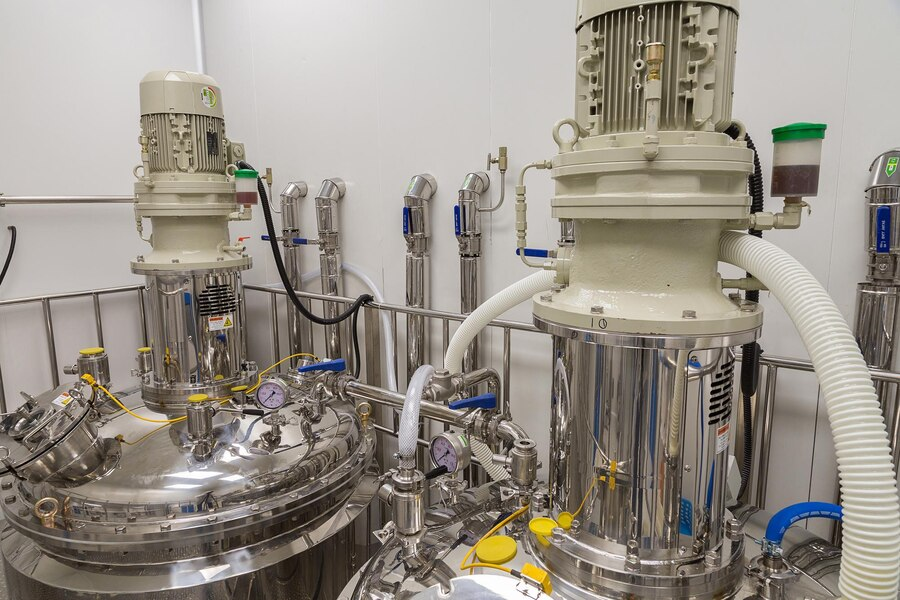
Fluid transfer networks form the backbone of modern chemical processing, municipal water treatment, and manufacturing infrastructure. For decades, facility managers relied on rigid, constant-speed mechanical pumps that consumed excess electricity and demanded constant physical inspections. Today, advanced industrial pump systems integrate digital automation, precise frequency modulation, and resilient materials to transform fluid handling. Understanding these technological upgrades helps plant engineers optimize operational reliability and lower long-term overhead expenses.
Understanding Modern Industrial Pump Technologies
Modern industrial pump technologies replace conventional mechanical limitations with smart, adaptive architectures that communicate directly with plant control rooms.
Traditional pumps operated as isolated mechanical components, forcing operators to gauge flow rates manually and react only after a failure occurred. Contemporary equipment incorporates internal microprocessors and automated telemetry to monitor fluid velocity, pressure fluctuations, and motor temperature continuously. This digital evolution allows facilities to transition from guesswork-driven operations to fully automated, data-backed fluid management across complex processing lines.
Precision Energy Control Through Variable Frequency Drives
Variable frequency drives regulate motor rotation speeds dynamically to match real-time fluid demand without wasting electricity.
Running an industrial motor at full speed against restricted valves creates intense friction, thermal strain, and severe power waste. By integrating variable frequency drives into the setup, operators can ramp pump speeds up or down smoothly based on immediate system feedback. This precise electrical control significantly cuts monthly utility expenditures while extending the operational lifespan of the entire pumping assembly.
Predictive Maintenance and Intelligent Health Monitoring
Intelligent health monitoring sensors track vibration signatures, acoustic changes, and bearing warmth to predict mechanical failures before they happen.
Unexpected pump breakdowns halt production lines instantly, leading to severe financial losses and expensive emergency repair labor. Modern sensor arrays leverage standard industrial protocols to stream real-time health metrics to centralized dashboards, identifying cavitation or shaft misalignment early. Shifting from reactive repairs to predictive maintenance schedules ensures that engineering teams service equipment only when necessary, minimizing spare parts inventory and maximizing uptime.
Material Versatility and Multi-Industry Applications
Specialized alloy linings and enhanced sealing configurations enable modern pumps to handle corrosive, viscous, and hazardous fluids securely.
Different industrial sectors face intense fluid compatibility hurdles, ranging from abrasive mining slurries to highly reactive chemical compounds. Advanced manufacturing techniques allow pumps to feature corrosion-resistant polymers and dual-mechanical seals that contain volatile substances safely. Furthermore, facilities can maintain efficient home energy management principles and industrial equivalents to optimize power usage across broader plant infrastructure. This high adaptability simplifies equipment standardization and cuts inventory expenses across multiple divisions.
Environmental Compliance and Lower Carbon Footprints
High-efficiency hydraulic designs and leak-prevention seals help industrial facilities meet stringent global environmental standards and regulations.
Corporate sustainability mandates require processing plants to minimize fluid waste and reduce greenhouse gas emissions across all production stages. Advanced sealing technologies virtually eliminate fugitive emissions of hazardous pollutants into surrounding atmospheric or water resources. Combining low-leakage engineering with optimized electrical consumption enables industrial operations to demonstrate verifiable progress toward corporate net-zero targets.
Integrated Safety Mechanisms for Hazardous Environments
Automated safety shut-off systems and overpressure relief valves protect personnel and heavy infrastructure from dangerous fluid release events.
Handling high-pressure or toxic liquids carries inherent workplace safety hazards that require immediate, automated fail-safe interventions. Modern pumps feature digital interlocks that instantly halt operations if an unexpected blockage causes internal pressure to spike. These integrated safety protocols reduce workplace liability, protect expensive capital assets, and provide crucial peace of mind for plant workers.
Maximizing ROI Through Total Cost of Ownership
Calculating the total cost of ownership proves that initial investments in smart pump technology yield substantial long-term financial returns.
Although advanced digital pumps and integrated sensor packages carry higher upfront procurement costs, they offset these expenses through immediate energy savings and reduced repair frequencies. Avoiding a single major production shutdown often covers the price difference between basic and intelligent pumping hardware. Evaluating these long-term financial metrics helps procurement teams justify premium equipment investments that expand profit margins.
The Role of Industrial IoT and Smart Manufacturing
Connected industrial pump systems integrate seamlessly into plant-wide networks using standard data protocols for advanced cloud analytics.
Modern industrial IoT architectures allow pumps to communicate across secure networks, sharing operational status and performance metrics via MQTT or OPC UA protocols. This seamless connectivity feeds data into plant SCADA systems, enabling supervisory analytics and automated optimization across entire manufacturing facilities. As smart manufacturing matures, connected intelligent pumps remain fundamental drivers of data-driven industrial automation.
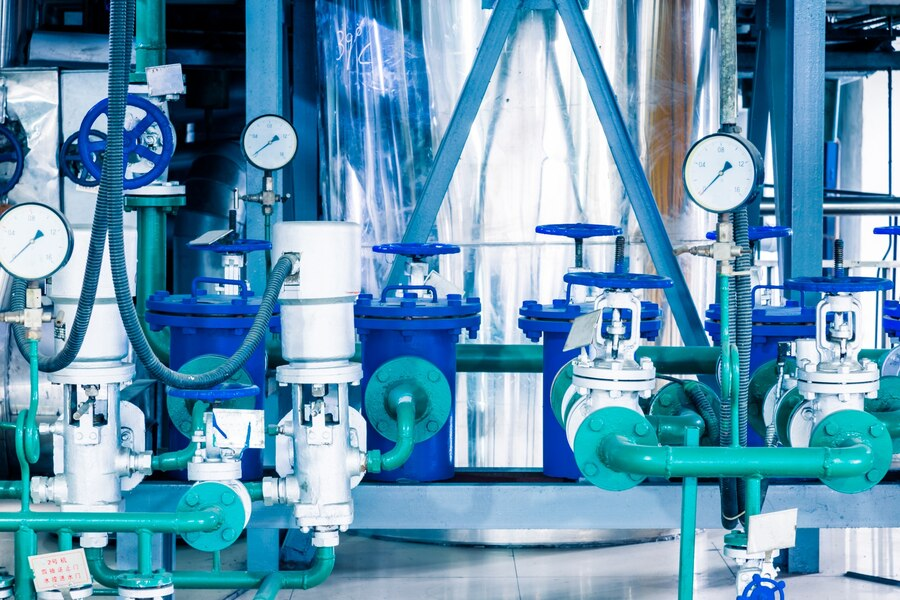
Advanced technology in industrial pump systems offers extensive operational advantages that directly enhance facility efficiency, reliability, and environmental compliance. By embracing digital monitoring and variable speed controls, industrial operators improve their financial bottom line while maintaining safer work environments. Staying proactive in adopting modern pumping solutions remains essential for maintaining a competitive edge across the modern manufacturing sector.
Frequently Asked Questions
What makes modern industrial pumps more efficient than older models?
Modern pumps utilize advanced hydraulic designs, friction-reducing materials, and variable frequency drives to match motor speed directly to operational demands.
How does predictive maintenance work with industrial pumps?
Sensors monitor vibration, temperature, and performance metrics in real time, alerting maintenance teams to potential mechanical issues before actual failure occurs.
Can industrial pumps handle corrosive or hazardous fluids safely?
Yes, advanced engineering allows pumps to be fitted with specialized corrosion-resistant materials, enhanced sealing techniques, and automated shut-off safety mechanisms.
What role do variable frequency drives play in pump systems?
Variable frequency drives control motor speed dynamically, which prevents energy waste, reduces mechanical stress, and extends equipment longevity.
How do connected pumps integrate with industrial IoT networks?
Connected pumps use standard communication protocols like MQTT and OPC UA to share performance data with plant SCADA and cloud analytics platforms.
Is the initial cost of advanced pump technology justified?
While upfront costs are higher, long-term savings in energy consumption, reduced repair needs, and lower downtime deliver a strong total return on investment.
Disclaimer: Industrial pump technologies and specifications change regularly. Plant managers and engineers should verify final equipment details and performance ratings directly with official manufacturer documentation before making purchasing decisions.

Daniel J. Morgan is the founder of Invidiata Magazine, a premier publication showcasing luxury living, arts, and culture. With a passion for excellence, Daniel has established the magazine as a beacon of sophistication and refinement, captivating discerning audiences worldwide.


[…] facilities looking to upgrade heavy fluid transport, pairing these smart climate controls with advanced technology for industrial pump systems ensures maximum operational reliability across complex utility […]