

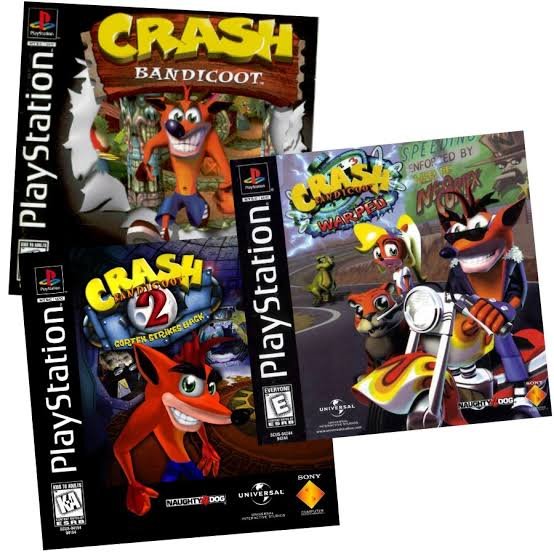
The PlayStation One represents a defining era in video game history, delivering a massive library of titles that shaped modern entertainment. Many of the most celebrated releases from this console generation originated in Japan, making professional adaptation essential for international players. Without careful linguistic and technical conversion, these complex interactive experiences might never have connected with audiences worldwide.
Localization teams worked hard to bridge cultural divides, translating dense scripts, adapting user interfaces, and occasionally replacing voice tracks to ensure foreign releases felt natural. This careful attention to detail allowed incredible narratives and mechanics to resonate across different regions, cementing the console’s legacy as a golden age for storytelling.
How Localization Shaped the PlayStation One Library
The success of early CD-based consoles relied heavily on how well publishers could adapt foreign software for international markets.
During the late 1990s, bringing a game across language barriers required navigating strict disc storage limits, regional display standards, and complex cultural idioms. Translation teams had to compress English scripts to fit inside fixed text display windows while preserving the emotional weight of character interactions. These foundational engineering and linguistic efforts established the standard for multi-language software publishing across subsequent console generations.
Final Fantasy VII and Epic Role-Playing Scripts
Massive fantasy adventures required meticulous script localization to convey deep character relationships and intricate lore without losing emotional impact.
Titles like Final Fantasy VII brought cinematic scope to home consoles, supported by intricate English scripts that captured profound character growth and expansive fantasy lore. The sheer volume of text required meticulous planning to ensure dialogue fit neatly into fixed display windows while preserving the distinct personalities of each party member. This careful linguistic adaptation helped establish Japanese role-playing games as a dominant worldwide genre embraced by millions of players.
Metal Gear Solid and Cinematic Action Dubbing
Spies, martial artists, and tactical operatives required specialized voice direction and precise terminology adaptation to succeed in international markets.
Director Hideo Kojima crafted a deeply immersive tactical espionage experience in Metal Gear Solid that required players to follow a complex geopolitical narrative. The international release benefited from professional voice casting, which brought iconic characters to life with remarkable intensity while keeping tactical codec instructions completely clear. Similarly, arcade fighting classics like Tekken 3 and atmospheric exploration-platformers like Castlevania: Symphony of the Night utilized targeted localization to ensure menu commands, lore entries, and voice deliveries resonated seamlessly outside Japan.
Resident Evil 2 and Survival Horror Atmosphere
Survival horror icons and action adventures demonstrated how atmospheric dread and item descriptions required careful cultural tuning to frighten international players effectively.
Set during a disastrous viral outbreak in Raccoon City, survival horror releases challenged players to manage scarce inventory while uncovering dark pharmaceutical conspiracies. Translating item inspection text, puzzle clues, and dramatic cutscenes required a careful balance between faithful source adaptation and natural English pacing. These efforts set an enduring standard for how horror atmospheres could transcend language barriers.
Comparing Classic PlayStation One Localized Masterpieces
Different software genres relied on distinct localization strategies to connect with international players during the 32-bit hardware generation.
| Game Title | Genre | Primary Localization Focus |
|---|---|---|
| Final Fantasy VII | Role-Playing Game | Extensive script translation, fantasy lore adaptation, and text window formatting. |
| Metal Gear Solid | Action / Stealth | Cinematic dubbing, codec dialogue translation, and tactical military terminology. |
| Resident Evil 2 | Survival Horror | Suspenseful narrative pacing, inventory management text, and item lore descriptions. |
| Tekken 3 | Fighting | Character bios, move command translation, and arcade announcer voice work. |
| Castlevania: Symphony of the Night | Action Platformer | Gothic script adaptation, item naming conventions, and voice acting direction. |
Evaluating these unique developmental approaches highlights why professional localization remains just as vital for small business operations in the software publishing sector today as it was decades ago.
The Cultural Legacy of Console Adaptation
The success of localized PlayStation One titles proved that cultural barriers could be successfully overcome to unite gamers worldwide.
By investing in professional translation and cultural adaptation, publishers demonstrated that compelling characters and engaging gameplay transcend language differences. These classic releases laid the groundwork for simultaneous global game launches and multi-language support across modern platforms, ensuring that future generations can enjoy diverse storytelling traditions.
Frequently Asked Questions
What made PlayStation One localization challenging?
Developers faced strict disc storage limits, regional hardware display differences, and complex Japanese idioms that required careful rewriting for Western audiences.
Were all PlayStation One games translated into English?
Not every Japanese release made it overseas, but major titles that received official localization paved the way for broader international distribution.
How did voice acting change during this era?
Voice acting became increasingly common in cinematic games, prompting publishers to invest in professional English voice casts for major international releases.
Why are these localized games still popular today?
Strong foundational storytelling, memorable characters, and effective text adaptation allowed these classic titles to age gracefully and retain dedicated fan bases.
Can you play these classic titles on modern hardware?
Many of these legendary games have been re-released across digital storefronts, retro collections, and modern console digital libraries.
Did localization affect gameplay mechanics?
Most core mechanics remained identical, though text boxes, menu items, and control instructions were modified for clarity in foreign languages.
Disclaimer: Game availability, digital storefront status, and retro collection releases may change over time. Readers should verify final platform compatibility and availability from official sources.

Passionate content writer and savvy blog publisher, Aamir crafts compelling stories and insightful articles that captivate and inform. With a knack for blending creativity and strategy, they bring fresh perspectives to every piece. Dive into their world of words and discover content that resonates.


