

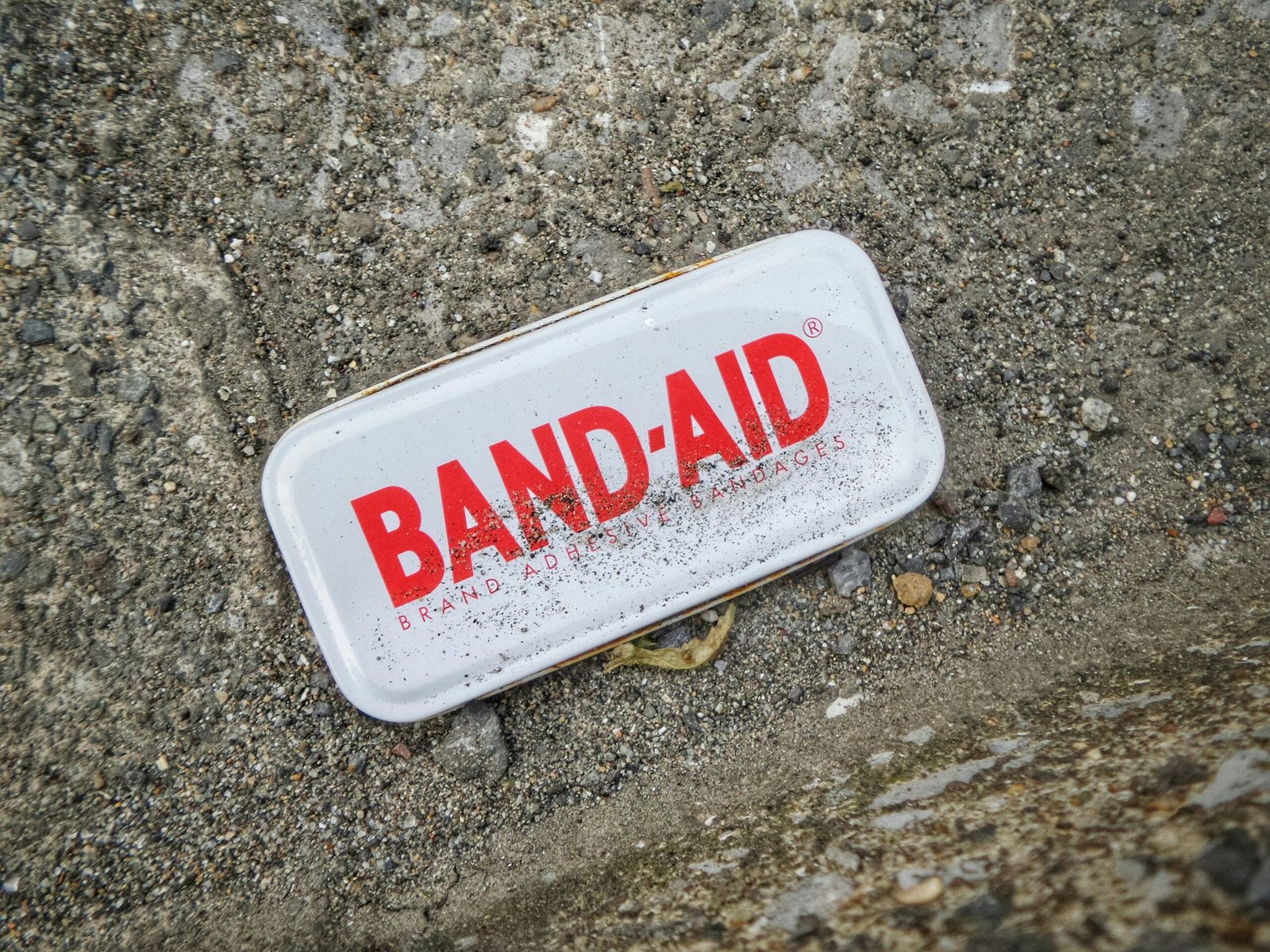
Adhesive bandages have long served as an everyday household staple, providing a dependable physical barrier against infection and promoting natural healing for minor cuts. Whether stocked in professional medical facilities or bathroom first-aid kits, these strips are trusted for immediate injury care. A troubling scientific realization has recently emerged regarding these ubiquitous medical supplies: many popular adhesive bandages may harbor hidden chemical hazards.
Millions of families rely on quick-fix bandages to cover minor nicks and scrapes without questioning what materials touch broken skin. Recent consumer investigations have exposed unsettling proof that numerous adhesive bandages contain per- and polyfluoroalkyl substances, commonly called PFAS. These persistent synthetic compounds present both environmental hazards and long-term human health risks. Public health reports indicate that beyond adhesive bandages, various consumer goods and personal care items routinely utilize these toxic chemical coatings.
Why Are Band-Aids Essential in Healthcare and Daily Life?
Adhesive bandages function as reliable first-aid instruments designed to shield broken skin from environmental dirt, debris, and bacteria.
These standard medical strips act as quick-fix solutions for minor injuries, utilizing a sticky backing that adheres securely to keep the injury site protected. Beyond basic physical coverage, they help maintain a balanced moisture level around the cut, which supports efficient skin recovery. They offer unmatched convenience in homes, outdoor settings, and professional medical offices alike, providing instant protection for unexpected bumps and scrapes.
What the Mamavation Study Discovered About PFAS in Bandages
Independent consumer testing revealed that a significant majority of popular adhesive bandage brands contain detectable levels of organic fluorine.
In a consumer product study conducted by Mamavation, independent testing evaluated 40 different adhesive bandages manufactured across 18 brands to check for chemical contamination. The analysis revealed that 65 percent of the tested bandages contained detectable levels of organic fluorine, serving as a primary indicator of intentional PFAS integration. Manufacturers often incorporate these synthetic compounds during production to impart specific performance characteristics such as water resistance and enhanced product durability.
Toxicologist Linda Birnbaum on Direct Open-Wound Exposure
Public health experts have raised alarms because applying chemical-laden bandages directly to broken skin creates a direct pathway for absorption.
Linda Birnbaum, former director of the National Institute of Environmental Health Sciences, has noted that utilizing PFAS-contaminated bandages on open wounds bypasses ordinary skin barriers. When these persistent chemicals sit directly on compromised tissue, the risk of systemic exposure increases significantly. This direct contact transforms a routine first-aid practice into an unexpected route of daily chemical intake.
Broader Health Concerns and Scientific Research
Scientific research continues to examine the toxicological profile of per- and polyfluoroalkyl substances and their connection to severe health conditions.
Chemical exposure of this nature is not limited to first-aid strips. Research published by Yale University examined how specific synthetic chemicals might influence cellular behavior, pointing toward potential mechanisms where toxic exposure could affect cancer cell migration and metastasis in existing patients. While these broad studies evaluate systemic exposure, they underscore why minimizing daily contact with persistent synthetic chemicals remains an important public health priority.
Other Common Sources of PFAS Exposure
Per- and polyfluoroalkyl substances appear in a wide variety of household and industrial products beyond medical supplies.
Understanding total chemical exposure requires looking at other consumer goods that rely on synthetic coatings for oil and water resistance. The following table highlights common product categories associated with chemical presence:
| Product Category | Primary Purpose of PFAS Integration | Potential Exposure Route |
|---|---|---|
| Non-Stick Cookware | Creating slick, easy-release cooking surfaces | Thermal degradation and food contamination |
| AFFF Firefighting Foam | Extinguishing flammable liquid fires | Occupational absorption and environmental runoff |
| Water-Resistant Apparel | Repelling moisture in rainwear and outdoor gear | Skin contact and laundry wastewater |
| Adhesive Bandages | Providing water resistance and product durability | Direct application to broken skin |
For individuals investigating persistent medical issues or unusual symptoms, assessing environmental and product exposures can sometimes reveal underlying health concerns, much like evaluating identifying medical negligence signs when reviewing substandard healthcare outcomes.
How to Identify and Choose Safer Alternatives
Consumers can reduce their exposure to synthetic chemicals by selecting certified organic or independently tested product alternatives.
Checking brand transparency reports and consumer testing databases helps identify manufacturers that explicitly avoid using organofluorines in their adhesives and backings. Brands that utilize plant-based materials, organic cotton, and non-toxic adhesives offer practical choices for households seeking safer first-aid supplies. Making informed purchasing decisions remains one of the most effective ways to limit daily intake of persistent chemical compounds.
Frequently Asked Questions (FAQs)
Can bandaids cause cancer directly?
There is no direct clinical proof that wearing a standard adhesive bandage causes cancer, but testing shows that many brands contain PFAS, which are classified as hazardous chemicals linked to various long-term health risks.
Why are PFAS chemicals used in the manufacturing of adhesive bandages?
Manufacturers add these synthetic compounds to bandage adhesives and backings to provide water resistance, strength, and durability against moisture and wear.
What study revealed the presence of PFAS in bandages?
A consumer study conducted by Mamavation tested 40 band-aid varieties from 18 different brands and found that 65 percent tested positive for organic fluorine.
How can I find PFAS-free band-aids for my home?
Consumers can look for brands that have published independent lab test results showing non-detectable levels of organic fluorine, often favoring eco-friendly and organic bandage options.
Are other personal care products contaminated with these chemicals?
Investigative reports have identified PFAS in various personal care and household items, including dental floss, toilet paper, waterproof cosmetics, and stain-resistant textiles.
What did Linda Birnbaum say about applying contaminated bandages to open wounds?
The toxicologist noted that applying chemical-laden strips directly to broken skin creates a direct pathway for potential systemic absorption.
What steps can I take to limit my overall exposure to forever chemicals?
You can reduce exposure by replacing non-stick cookware, avoiding water-resistant clothing treated with stain repellents, and choosing tested alternative brands for daily consumer goods.
Disclaimer: The health and product information provided in this article is for educational purposes only and is based on available consumer studies and research. Details regarding product formulations and chemical safety standards are subject to ongoing scientific evaluation. Readers should verify official product testing data and consult qualified healthcare professionals regarding personal medical concerns.

Daniel J. Morgan is the founder of Invidiata Magazine, a premier publication showcasing luxury living, arts, and culture. With a passion for excellence, Daniel has established the magazine as a beacon of sophistication and refinement, captivating discerning audiences worldwide.


