

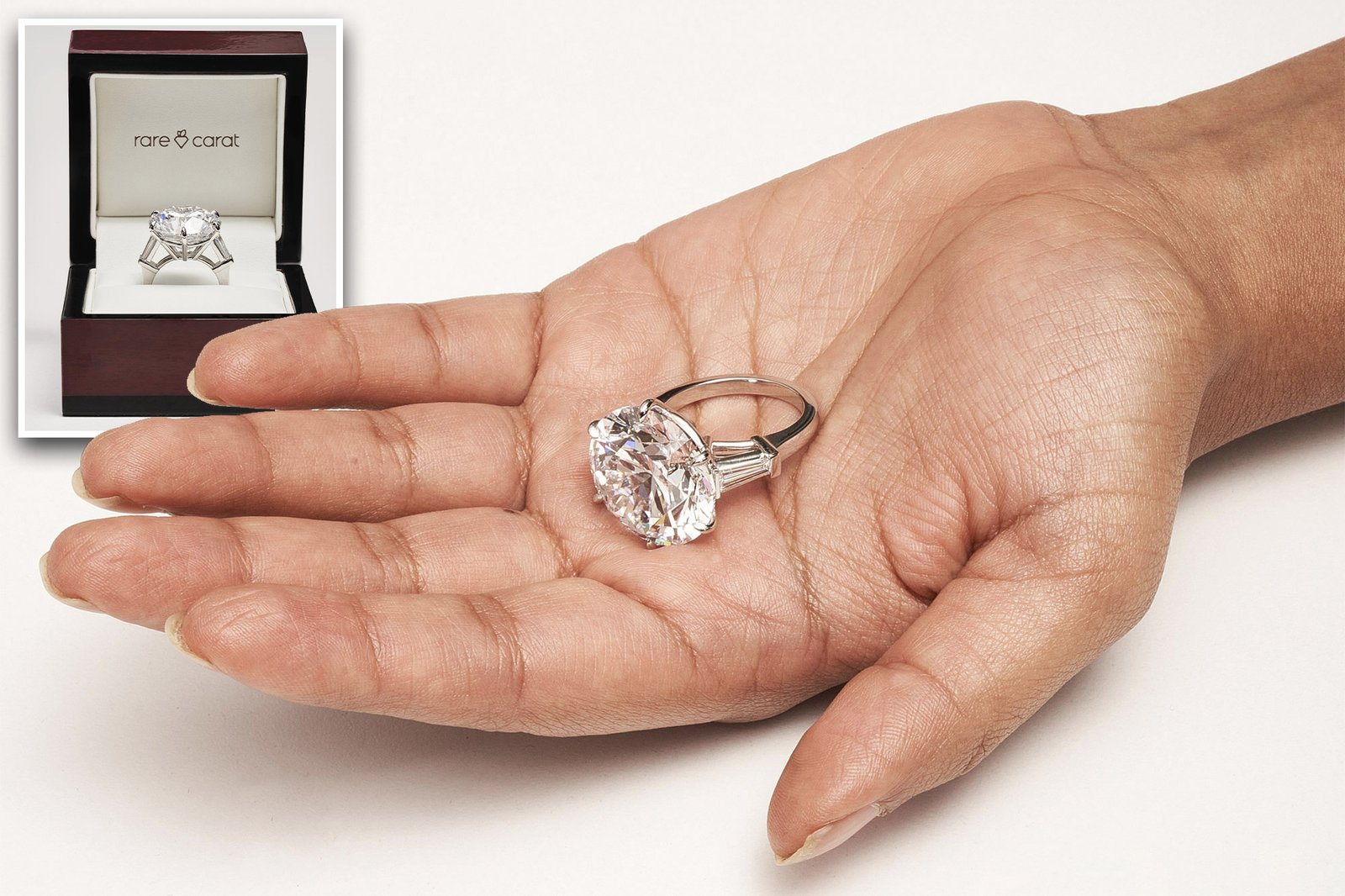
When searching for the best diamond deals, shoppers frequently encounter Rare Carat as a massive digital hub that aggregates stones from hundreds of independent wholesale and retail suppliers. Rather than functioning as a standard brick-and-mortar jewelry store that maintains its own physical showcase, the platform acts as a specialized search engine designed to streamline diamond price discovery. This unique operational model allows buyers to line up thousands of options side by side, evaluating exact grading reports against competing price tags. Whether you are shopping for a traditional engagement ring or looking into alternative center stones, understanding how this aggregator platform functions will help you determine if it genuinely saves you money.
How Online Price Discovery Changes Engagement Ring Shopping
Digital meta-search engines have fundamentally altered how consumers evaluate fine jewelry by bringing thousands of wholesale supplier catalogs directly into a single browser window.
Traditional jewelry shopping often forces consumers to visit multiple retail locations, each marking up wholesale stones significantly to cover physical storefront overhead. When you utilize an aggregator service, the market transparency shifts in your favor because independent merchants must compete directly on price and certification quality. You can instantly see how different vendors price identical cut, color, and clarity grades without relying on a single salesperson’s persuasion. This direct access to wholesale pricing tiers creates substantial savings for buyers who know how to filter and compare their options effectively.
Understanding Rare Carat’s Automated Value Scoring System
Rare Carat helps consumers evaluate whether a listed stone represents a fair price through automated market analysis and clear pricing indicators.
The platform assigns value scores to individual diamonds by comparing their asking prices against historical market data for stones with identical certification parameters. If a specific diamond is priced higher than the market average for its given cut, color, and clarity, the system highlights the discrepancy so you can avoid overpaying. Conversely, stones that offer exceptional value relative to their grading reports are tagged with favorable indicators. This automated transparency removes much of the traditional retail mystery from fine jewelry shopping. To explore how synthetic options stack up within this pricing ecosystem, you can read more via our detailed guide on lab-grown diamond shopping through Rare Carat.
Examining Advanced Gemological Filters and High-Res Visuals
Rare Carat provides robust filtering options that allow buyers to drill down past the basic 4 Cs into granular gemological details.
Beyond carat weight, cut grade, color, and clarity, users can filter searches by table percentage, depth percentage, fluorescence, polish, and symmetry. High-resolution imagery and 360-degree videos are standard for most listings, giving you a clear view of inclusions and light performance before you commit funds. This digital toolkit ensures that even novices can analyze complex diamond certification reports without needing a degree in gemology.
Expert Certificate Reviews and Objective Third-Party Guidance
Rare Carat builds consumer confidence by offering free, non-commissioned expert reviews of GIA and IGI diamond certificates.
Because the company does not own the physical inventory it lists, maintaining objective quality control is vital for customer satisfaction. Independent gemologists on the platform are available to inspect grading reports and provide neutral opinions on a stone’s brilliance, proportions, and overall value without any sales pressure. Buyers frequently note in reviews that this expert oversight prevents them from purchasing flawed or poorly cut stones. Additionally, customer support teams assist with setting selection, secure shipping logistics, and coordinating returns.
Weighing the Benefits and Limitations of Marketplace Shopping
Rare Carat presents a distinct set of operational advantages and inherent trade-offs that every fine jewelry buyer should consider.
| Platform Benefits | Potential Limitations |
|---|---|
| Access to massive cross-vendor inventory in one unified search dashboard. | Fast-moving stones can sell out quickly before an order is finalized. |
| Automated value scoring to flag overpriced or underpriced diamonds. | Physical inspection is limited to digital photos and videos prior to delivery. |
| Free, objective gemologist consultations on independent lab reports. | Customer support must coordinate between third-party merchants and the buyer. |
These structural factors highlight that while the aggregator model excels at transparent price comparison, shoppers must still act decisively when they find a high-demand stone at a competitive price point.
Frequently Asked Questions
Does Rare Carat sell physical diamonds directly?
Rare Carat functions primarily as a meta-search engine and marketplace aggregator rather than holding its own massive inventory of loose stones.
How does Rare Carat make money if it compares prices?
The platform earns a referral fee or small commission from the third-party merchant when a user successfully purchases a diamond through the site.
Are the diamonds listed on Rare Carat certified?
The vast majority of diamonds featured on the platform come with independent grading reports from recognized laboratories like the GIA or IGI.
Can I get professional advice before purchasing a diamond?
Yes, Rare Carat employs non-commissioned gemologists who review lab certificates and answer questions about specific stones at no extra charge.
How do prices on Rare Carat compare to traditional retail jewelers?
Because multiple wholesale and online vendors compete directly on the platform, prices are generally much lower than traditional brick-and-mortar markups.
What is the return policy for purchases made through Rare Carat?
Return windows and policies depend entirely on the specific third-party merchant supplying the diamond, though most offer standard inspection periods.
Shopping for fine jewelry involves significant financial commitments, and details regarding third-party inventory, pricing structures, and shipping policies can shift over time. Readers should always verify final purchase terms, return windows, and certification details directly through official sources before completing a transaction.


