

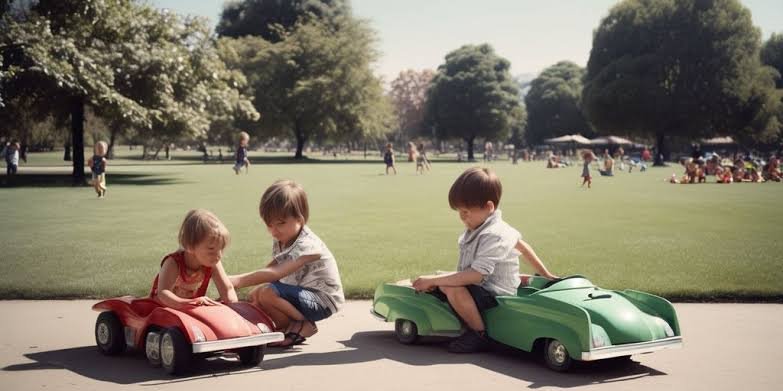
Ensuring your child’s delight and fostering a sense of independence are often at the forefront of a parent’s mind. One of the ways to achieve both simultaneously is by gifting them their very own kids’ ride-on car. These miniature vehicles, designed to replicate various models of real cars, can provide hours of fun and help develop valuable skills. However, choosing the right ride-on car can be nuanced. This article delves into the aspects that parents should consider before making such a purchase, keeping in mind that safety and developmental value are just as important as the thrill of driving.
Comparing Manual Foot-to-Floor Pushers and Battery-Powered Electric Cruisers
When shopping for miniature vehicles, parents must decide between manual foot-to-floor pushers and motorized electric cruisers. Foot-to-floor models require children to power the wheels entirely with their own legs, which builds physical strength and active coordination. In contrast, battery-operated ride-on cars deliver a motorized driving sensation complete with realistic acceleration pedals and working headlights. Many of these battery-powered variants also include Bluetooth connectivity and pre-recorded music features to enrich playtime.
Utilizing Parental Remote Controls and Multi-Point Safety Harnesses
Safety equipment remains the most critical factor when introducing young drivers to motorized battery vehicles. High-quality ride-on cars incorporate secure multi-point seat belts, sturdy door latches, and responsive parental override remotes that let adults stop or steer the vehicle instantly. Furthermore, integrated soft-start microchips prevent jerky takeoffs, protecting toddlers from sudden neck strains caused by abrupt acceleration.
Managing 12V and 24V Battery Runtimes Alongside Charging Cycles
Modern electric vehicles rely on robust 12V or 24V power systems that dictate speed capabilities and overall operating endurance. Standard batteries typically sustain continuous playtime for about one to two hours before requiring an overnight or multi-hour recharge. Understanding these electrical thresholds helps families plan outdoor excursions without running out of power halfway down the driveway.
Selecting Hardwood-Safe Plastic Wheels Versus Rugged Outdoor EVA Tires
Choosing the correct wheel material depends entirely on whether your child will drive indoors or across backyard terrain. Smooth plastic wheels glide quietly across smooth indoor flooring without scratching hardwood surfaces. Conversely, rugged outdoor models feature textured rubber or ethylene-vinyl acetate foam tires that grip grass, gravel, and pavement with minimal slipping.
Matching Manufacturer Weight Limits to Your Child’s Growth Stage
Every motorized toy comes with specific weight capacities and height recommendations established by safety testing agencies. Toddlers require stable, low-profile seating arrangements, whereas older children fit comfortably into spacious two-seater luxury replicas. Reviewing these dimensions ensures the vehicle accommodates your child safely throughout their rapid growth phases.
Addressing Unboxing Assembly Steps and Garage Storage Logistics
Putting together a motorized toy requires patience for attaching steering linkages, mounting wheels, and connecting internal wiring harnesses. Families managing bulky toy deliveries or coordinating large household upgrades can also review broader resources such as the advantages of choosing experts for reliable vehicle shipping when ordering specialized multi-rider cars from online distributors. Once assembled, planning a dedicated storage spot in the garage protects the onboard battery from extreme winter temperatures.
Summary of Key Factors for Your Toy Purchase Decision
Selecting the ideal miniature car requires balancing safety mechanisms, battery longevity, terrain suitability, and your child’s age group. A thoughtful purchase provides lasting entertainment while supporting critical milestones in motor skill development and spatial awareness. By carefully reviewing these technical specifications, families can invest in a durable recreational vehicle that delivers years of outdoor enjoyment.
What are the main types of kids ride-on cars available?
The primary categories include foot-to-floor manual push cars, standard electric battery-powered cars, and remote-controlled electric models that allow parents to steer.
Are ride-on cars safe for toddlers?
Yes, provided they feature safety belts, sturdy construction, parental remote override capabilities, and gentle speed limits appropriate for young children.
How long do ride-on car batteries last?
Most standard 12V and 24V batteries offer between one to two hours of continuous driving time per full charge, depending on the terrain and user weight.
Can electric ride-on cars be used indoors?
Certain models with soft plastic or EVA foam wheels are suitable for indoor use, though heavier off-road models are best reserved for outdoor driveways and yards.
What is the typical age range for motorized ride-on cars?
Motorized ride-on cars generally accommodate children aged two to eight years old, with specific weight limits determining the upper boundary.
Do ride-on cars require difficult assembly?
Assembly requirements vary by model, with some arriving mostly pre-built and others requiring parents to attach wheels, steering wheels, and battery connections manually.
Disclaimer: Product specifications, battery runtimes, and safety certifications vary among manufacturers. Always check official product manuals and verify local safety guidelines before purchasing a ride-on vehicle for your child.

Passionate content writer and savvy blog publisher, Aamir crafts compelling stories and insightful articles that captivate and inform. With a knack for blending creativity and strategy, they bring fresh perspectives to every piece. Dive into their world of words and discover content that resonates.


