

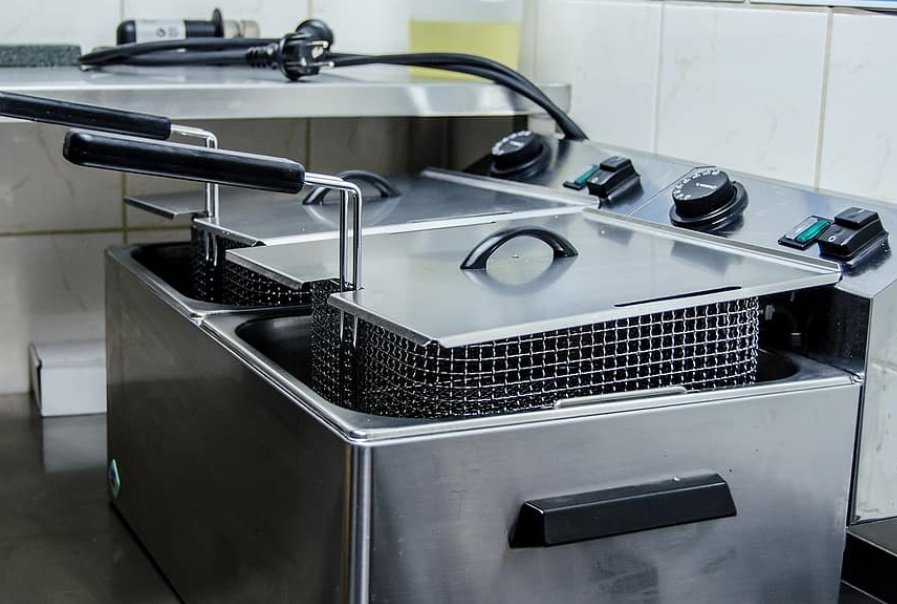
In Brisbane’s bustling industrial and culinary landscape, two distinct technologies play pivotal roles in shaping efficiency and innovation within their respective fields: commercial deep fryers and laser cutting. While fundamentally different in application, both technologies contribute significantly to Brisbane’s economy and business environment by supporting high-volume commercial kitchens and precision manufacturing sectors. This guide delves into the intricacies of these technologies, examining their operational roles, benefits, and the local industry landscape that supports them.
Commercial Deep Fryer Technologies in Brisbane Kitchens
Commercial deep fryers are heavy-duty pieces of kitchen equipment designed to cook large volumes of food quickly and efficiently through complete oil immersion. Commercial deep fryers operate by circulating food in hot oil, which cooks the product evenly and rapidly to meet high-demand service requirements.
Gas Versus Electric Deep Fryer Models
Gas deep fryers utilize powerful gas burners located beneath or inside the oil vat, making them a popular choice for fast recovery times and heavy-duty frying. Gas fryers excel in high-volume settings like busy restaurants, pubs, and fast-food chains where oil temperatures must bounce back quickly after cold food batches are dropped.
Electric deep fryers rely on submerged electrical elements to heat cooking oil directly. Electric models are often favored for their energy efficiency and straightforward installation in kitchens lacking commercial gas lines. Furthermore, electric variants provide precise temperature control, which is essential for maintaining consistent food quality.
Choosing the Right Commercial Fryer Equipment
Selecting appropriate frying equipment requires evaluating kitchen layout, utility availability, and production volume to ensure long-term operational efficiency.
Operators across Brisbane must weigh several operational factors when purchasing or leasing commercial fryers. Initial capital outlay, daily utility consumption, ease of oil filtration, and safety features all influence the total cost of ownership. High-capacity floor-standing units suit high-volume venues, while smaller countertop models fit cafes with limited space.
The table below summarizes the key differences between gas and electric commercial deep fryers:
| Feature | Gas Commercial Deep Fryers | Electric Commercial Deep Fryers |
|---|---|---|
| Primary Heat Source | Natural Gas or LPG Burners | Submerged Heating Elements |
| Heating Speed | Faster oil recovery time | Slower recovery, steady warmth |
| Installation Requirements | Gas line connection and proper ventilation | Dedicated electrical circuit |
| Best Suited For | High-volume fast food and busy restaurants | Compact kitchens, cafes, and diners |
Laser Cutting Technology: Precision Manufacturing in Brisbane
Laser cutting technology uses a high-powered, computer-controlled laser beam to slice, melt, burn, or evaporate materials with extreme precision.
In Brisbane, precision engineering and manufacturing firms rely heavily on advanced fiber and CO2 laser systems. The technology delivers exceptional accuracy when working with stainless steel, aluminum, acrylic, and timber. Manufacturers use laser cutting to produce intricate machinery parts, architectural panels, and custom retail displays.
Key Advantages of Modern Laser Systems
Laser cutting provides superior precision, allowing fabricators to achieve tight tolerances that traditional mechanical saws cannot match. The non-contact nature of laser beams reduces material distortion. Additionally, automated nesting software minimizes raw material wastage, making production runs more cost-effective for local fabrication shops.
The Real Intersection: Equipment Fabrication and Kitchen Fit-Outs
Metal fabrication and laser cutting intersect with commercial kitchens during the custom design and fit-out phases of commercial buildings.
Rather than an abstract overlap, the true connection lies in how precision metal fabrication supports hospitality infrastructure. Commercial kitchen fit-outs require custom stainless steel benches, exhaust canopies, splashbacks, and specialized housing frames. Laser cutting bureaus in Brisbane fabricate these structural components to exact architectural specifications, ensuring hygiene and durability standards are met under Queensland food safety regulations.
Key Suppliers and Service Providers in Brisbane
Brisbane hosts a robust network of equipment dealers and fabrication specialists supporting local businesses.
Hospitality venues source reliable frying equipment from established commercial kitchen suppliers across South East Queensland. Meanwhile, industrial designers and builders utilize local laser cutting service bureaus for rapid prototyping and production sheet metal work. Maintaining reliable local supply chains ensures that restaurants and manufacturing plants experience minimal downtime when upgrading equipment or commissioning custom builds. For facility managers looking after larger properties, keeping operational infrastructure updated extends beyond the kitchen; for instance, facility teams managing multi-story venues often need to consult specialists when a commercial elevator needs repairs.
Frequently Asked Questions
What is the main difference between gas and electric commercial fryers?
Gas fryers heat up faster and offer quicker oil temperature recovery, making them ideal for high-volume cooking, while electric fryers are typically easier to install and offer precise temperature regulation.
Why is laser cutting preferred over traditional metal cutting methods?
Laser cutting delivers higher accuracy, tighter tolerances, smoother edge finishes, and less material waste through computer-guided automation.
How do Brisbane restaurants choose the right size deep fryer?
Venues calculate fryer capacity based on peak hourly customer demand, menu items, and available kitchen footprint and ventilation space.
What materials can be processed with industrial laser cutters in Brisbane?
Local laser cutting bureaus commonly process sheet metals like stainless steel and aluminum, as well as non-metallic materials such as acrylic and timber.
How does metal fabrication connect to commercial kitchen design?
Custom stainless steel benches, exhaust hoods, and structural kitchen mounts are fabricated using precise cutting and welding techniques to fit specific hospitality spaces.
Are commercial deep fryers subject to energy efficiency standards in Queensland?
Yes, modern commercial kitchens select energy-rated equipment to comply with commercial building standards and lower operational utility expenses.
Disclaimer: The information provided in this article is for general informational purposes only. Equipment specifications, supplier availability, and regulatory requirements may change over time, so readers should verify final details directly with official manufacturers and local Brisbane service providers.

Daniel J. Morgan is the founder of Invidiata Magazine, a premier publication showcasing luxury living, arts, and culture. With a passion for excellence, Daniel has established the magazine as a beacon of sophistication and refinement, captivating discerning audiences worldwide.


