

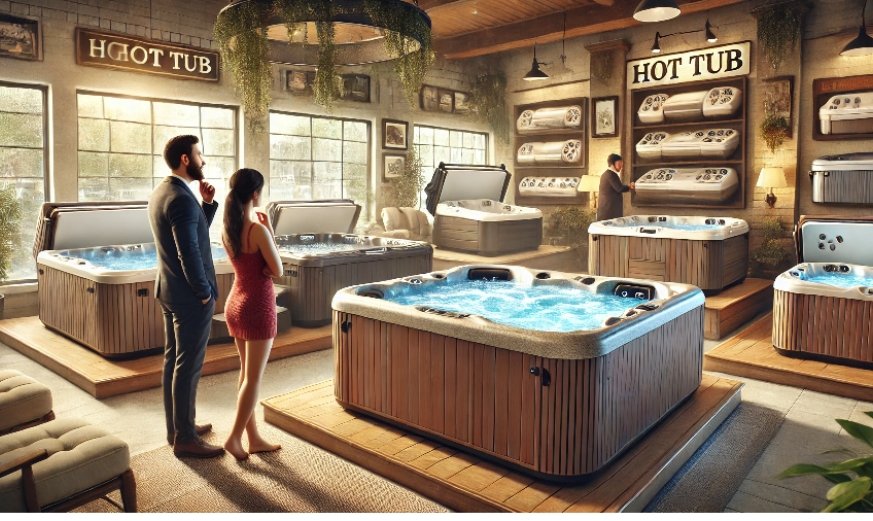
Sinking into warm water after a demanding day provides a reliable way to unwind right in your own backyard. Selecting the right hot tub for your home requires careful planning regarding your available space, electrical setup, and daily lifestyle needs. Understanding these foundational factors ensures your investment delivers relaxation and reliable performance for years to come.
Evaluating Concrete Pad Limits and 110V Versus 230V Electrical Setups
Assessing your backyard layout and power supply before purchasing a hot tub prevents costly installation mistakes. You must verify that your chosen location can support the immense combined weight of the spa shell, water, and occupants, often requiring a reinforced concrete pad. Additionally, you need to decide between a simple 110V plug-and-play model or a more demanding 230V hardwired electrical system that requires a certified electrician.
When planning your backyard layout, always leave adequate clearance around the perimeter for routine access panels and cover removal. If you are also upgrading your outdoor living area to complement your new spa, you can look into ideas for improving property layouts and features to create a cohesive backyard retreat. Careful planning at this stage guarantees a safe and functional setup.
Balancing Physical Dimensions and Open-Seat Versus Lounge Configurations
Choosing the correct physical footprint and internal seating arrangement dictates how comfortable your hot tub will feel during regular use. Compact two-person models fit nicely on smaller patios, while larger family-sized spas comfortably accommodate six to eight adults. Buyers must also choose between open-seat configurations, which maximize occupant capacity, and lounge seats that allow you to recline fully beneath the water.
Consider who will use the hot tub most frequently and whether deep therapy seats or open socializing space matters more to your household. Testing the dry seats at a showroom helps you verify whether the depth and contour match your body type before committing to a final purchase.
Targeting Muscle Relief Through Precision Jet Placement and Smart Controls
Modern hot tub hydrotherapy relies on strategically placed jets and user-friendly digital control panels to deliver a targeted massage. Look for models featuring adjustable jet pressure and dedicated pump power that can target specific muscle groups in your back, neck, and feet. Contemporary spas often include smartphone app integration, letting you adjust water temperature and filtration cycles remotely.
Evaluate the quality and placement of the jets rather than simply counting how many total jets the spa includes. Effective hydrotherapy focuses on water flow consistency and ergonomic placement rather than sheer numbers of decorative nozzles.
Comparing Full-Foam Insulation Standards and Thermal Cover Effectiveness
Energy-efficient hot tub designs utilize advanced full-foam insulation and high-density locking covers to minimize heat loss during cold weather. High-performing insulation traps the ambient heat generated by the pump motors and transfers it back into the water, reducing monthly electricity expenses. When shopping, check for compliance with strict energy efficiency standards to ensure your running costs remain manageable year-round.
While fully insulated models often carry a higher initial price tag, they typically pay for themselves over time through significantly lower utility bills. Always prioritize a well-insulated cabinet and a tightly sealed thermal cover over basic energy-saving gimmicks.
Managing Water Hygiene With UV-C Systems, Ozone Generators, and Salt Water
Maintaining clean hot tub water requires balancing chemical sanitizer levels and operating reliable filtration cycles on a regular schedule. Modern spas frequently incorporate advanced sanitation technologies like UV-C light systems, ozone generators, or salt-water generation systems to reduce the amount of traditional chlorine needed. These supplementary systems help keep the water sparkling clear with less manual scrubbing and testing.
Acrylic shell surfaces also make routine cleaning much easier by resisting stain buildup and algae growth. Setting up a consistent weekly maintenance routine protects your investment and ensures safe, hygienic soaking conditions for family and guests.
Calculating Total Investment Costs From Delivery Fees to Long-Term Maintenance
Establishing a realistic budget involves factoring in the initial purchase price, professional delivery, electrical installation, and ongoing chemical costs. Entry-level plug-and-play spas offer a budget-friendly introduction, while premium hardwired acrylic models provide superior durability, advanced hydrotherapy, and better insulation. Planning for these comprehensive expenses prevents unexpected financial surprises after delivery day arrives.
Evaluating long-term value helps you choose a hot tub that balances upfront affordability with lasting build quality. Investing in a reputable manufacturer often guarantees better warranty support and easier access to replacement parts down the road.
Summarizing Key Decision Factors for Your Ideal Backyard Spa
Selecting the right hot tub for your household comes down to balancing your space limitations, electrical capacity, and personal comfort preferences. By carefully reviewing physical dimensions, energy standards, and water care technology, you can create a relaxing backyard sanctuary. Always verify final specifications and warranty details directly with official manufacturers or local dealers before finalizing your purchase.
What size hot tub is best for a family of four?
A four-to-five-person hot tub usually provides enough legroom and seating space for a family of four without feeling overcrowded.
Do I need a concrete pad for my hot tub?
A reinforced concrete pad or an engineered wooden deck rated for high weight capacity is required to safely support a filled hot tub.
What is the difference between 110V and 230V hot tubs?
Plug-and-play 110V models plug into standard household outlets but cannot run the heater and high-speed jets simultaneously, whereas 230V hardwired models run both concurrently.
How often do hot tub filters need to be cleaned?
Hot tub filters generally require a thorough rinsing with water every two weeks and a chemical deep cleaning every few months.
How much does it cost to run a hot tub monthly?
Monthly running costs vary based on local electricity rates, climate, and insulation quality, but typically range from moderate to higher amounts depending on usage.
Can I use a hot tub during winter weather?
Hot tubs are designed for year-round use, and soaking in freezing winter weather is a popular way to enjoy the therapeutic warmth.

Daniel J. Morgan is the founder of Invidiata Magazine, a premier publication showcasing luxury living, arts, and culture. With a passion for excellence, Daniel has established the magazine as a beacon of sophistication and refinement, captivating discerning audiences worldwide.


