

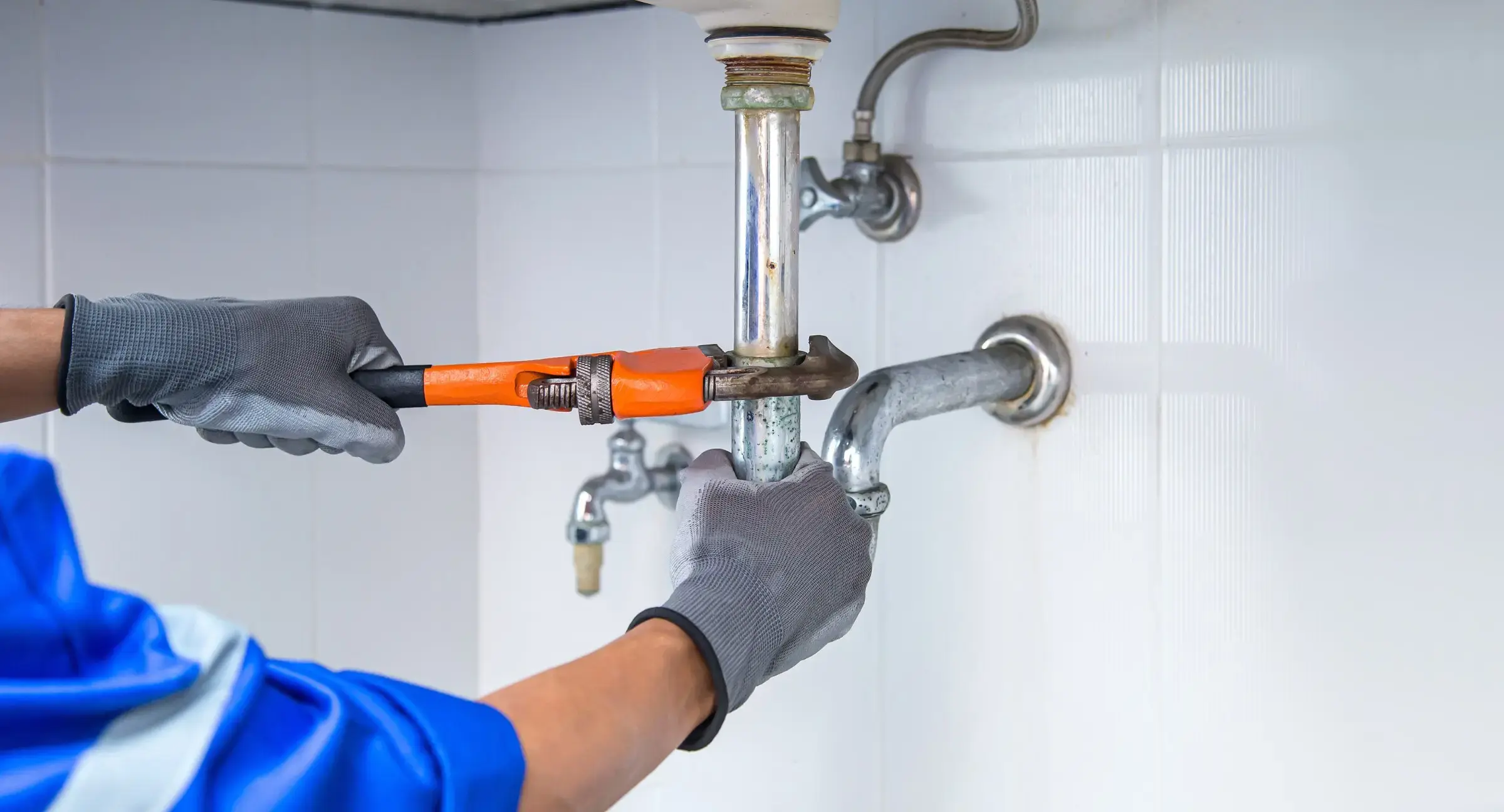
As winter temperatures plummet and snow covers the ground, cozy indoor evenings by the fireplace become a daily routine for many households. However, freezing weather brings severe environmental stress that can compromise residential plumbing networks without warning. Experienced plumbing services in Rogers, Arkansas regularly caution that sudden hard freezes and Northwest Arkansas ice storms can turn a peaceful home into an emergency recovery zone overnight. Understanding how to reinforce vulnerable water lines ahead of time is the most reliable defense against property damage and extensive structural repairs.
Why Winter Weather Threatens Rogers, Arkansas Homes
Winter weather creates severe plumbing vulnerabilities because water expands significantly as it transitions into ice within confined spaces. In the Northwest Arkansas region, climate shifts often involve rapid sub-freezing drops and extended frost cycles that catch local property owners off guard. When severe cold weather settles across the area, exposed supply lines, outdoor hose spigots, and pipes running along uninsulated exterior walls face extreme thermal pressure. Without proper seasonal preparation, this physical strain leads directly to fractured pipe materials, hidden leaks, and costly indoor flooding.
Insulating Vulnerable Pipes and Sealing Exterior Drafts
Insulating vulnerable pipes and sealing exterior drafts effectively blocks freezing air currents from making direct contact with residential water lines. Exposed pipes located in unheated crawl spaces, attics, and garages require immediate attention before the first hard frost arrives each season. Homeowners can wrap these vulnerable runs using inexpensive foam pipe sleeves or electric heat tape designed specifically for residential plumbing applications. At the same time, inspect the perimeter of your house for any gaps around foundation vents, windows, and utility entry points. Sealing these drafty areas with weatherstripping or caulk stops cold exterior air from circulating near interior plumbing fixtures.
Maintaining Safe Home Temperatures and Faucet Flow
Maintaining safe home temperatures and knowing when to let faucets drip protects internal water lines from dangerous pressure spikes. Setting your indoor thermostat to a minimum of 55°F—even when traveling or away from home—ensures that interior wall cavities stay warm enough to prevent freezing. During severe cold snaps, allowing certain faucets to maintain a very slow, steady trickle relieves internal pressure buildup inside the system. Target faucets connected to exterior walls or fixtures farthest from your main water entry point, as these locations are much more susceptible to sudden ice blockages.
Upgrading to Smart Leak Detection and Automated Shut-Off Valves
Upgrading to smart leak detection technology and automated shut-off valves gives modern homeowners continuous, 24/7 protection against catastrophic plumbing failures. Smart water monitors attach directly to your main supply line to track daily flow rates, spot unusual pressure drops, and identify minor leaks before they escalate. If the system senses abnormal water usage or an abrupt pressure change indicative of a burst pipe, the automated valve shuts off the water supply instantly. This advanced technology provides immense peace of mind during freezing weather, especially for properties left vacant for extended periods.
Securing Outdoor Spigots and Irrigation Systems
Securing outdoor spigots and irrigation systems requires completely draining lingering water before sub-freezing temperatures become regular occurrences. Garden hoses should always be disconnected from exterior faucets, drained fully, and stored safely inside a shed or garage for the winter. Furthermore, homeowners must shut off interior shut-off valves dedicated to exterior hose bibs and open the outside spigots to drain any trapped moisture. For complex underground lawn sprinkler systems, compressed air blowout procedures handled by professionals help prevent expensive backflow preventer cracks.
Locating Your Main Water Shut-Off Valve
Locating your main water shut-off valve is the single most important safety step every homeowner must take before winter begins. In the event of a sudden pipe fracture, every second counts, and wasting time searching for the shut-off valve allows thousands of gallons of water to flood your living space. Locate this primary valve where the main water line enters your house—frequently in the basement, crawl space, or near the water heater. Test the valve to ensure it turns smoothly, label it clearly, and make sure all family members know how to operate it quickly.
Executing Safe Thawing Techniques If a Pipe Freezes
Executing safe thawing techniques can rescue a frozen pipe before it splits, provided you use gentle and controlled heat sources. If you notice a sudden drop in water pressure or see frost forming on an exposed pipe, act immediately by turning on the nearest faucet to relieve trapped steam and water pressure. Use a standard household hairdryer, heating pad, or towels soaked in warm water to warm the pipe slowly, starting from the faucet end and working toward the coldest section. Never use an open flame, propane torch, or high-intensity heat gun, as extreme thermal shock will cause the pipe to rupture violently.
For broader property protection beyond your interior plumbing lines, it is also wise to consider complementary seasonal upkeep by shielding your home exterior against winter damage. Managing these structural defenses simultaneously ensures your entire property remains secure through the coldest months of the year.
Frequently Asked Questions About Winter Plumbing
What temperature causes pipes to freeze?
Pipes typically begin to freeze when outdoor temperatures drop to 20°F (-6°C) or lower for several consecutive hours, especially if wind chill factors are high.
Should I leave cabinet doors open during a freeze?
Yes, opening kitchen and bathroom cabinet doors under sinks allows warm indoor air to circulate around plumbing pipes installed against exterior walls.
How much water should a dripping faucet produce?
A very light trickle—about the size of a pencil lead or a steady drip rate—is more than enough to relieve internal pressure and prevent freezing.
Will homeowners insurance cover a burst pipe?
Standard homeowners insurance policies usually cover sudden and accidental water damage from burst pipes, provided you maintained reasonable heat in the home.
When should I call a professional plumber?
Call a licensed professional immediately if you cannot locate the frozen section, if a pipe has already burst, or if your main water shut-off valve is stuck.
How do I winterize a vacation home?
To winterize an empty property, turn off the main water supply, drain all lines completely, and add non-toxic plumbing antifreeze to toilet tanks and sink traps.
Disclaimer: Winter weather conditions and plumbing infrastructure vary greatly depending on local building styles and property age. The information provided in this guide is for general educational purposes; homeowners should consult local licensed professionals for personalized advice and verify final emergency procedures with qualified service technicians.


