

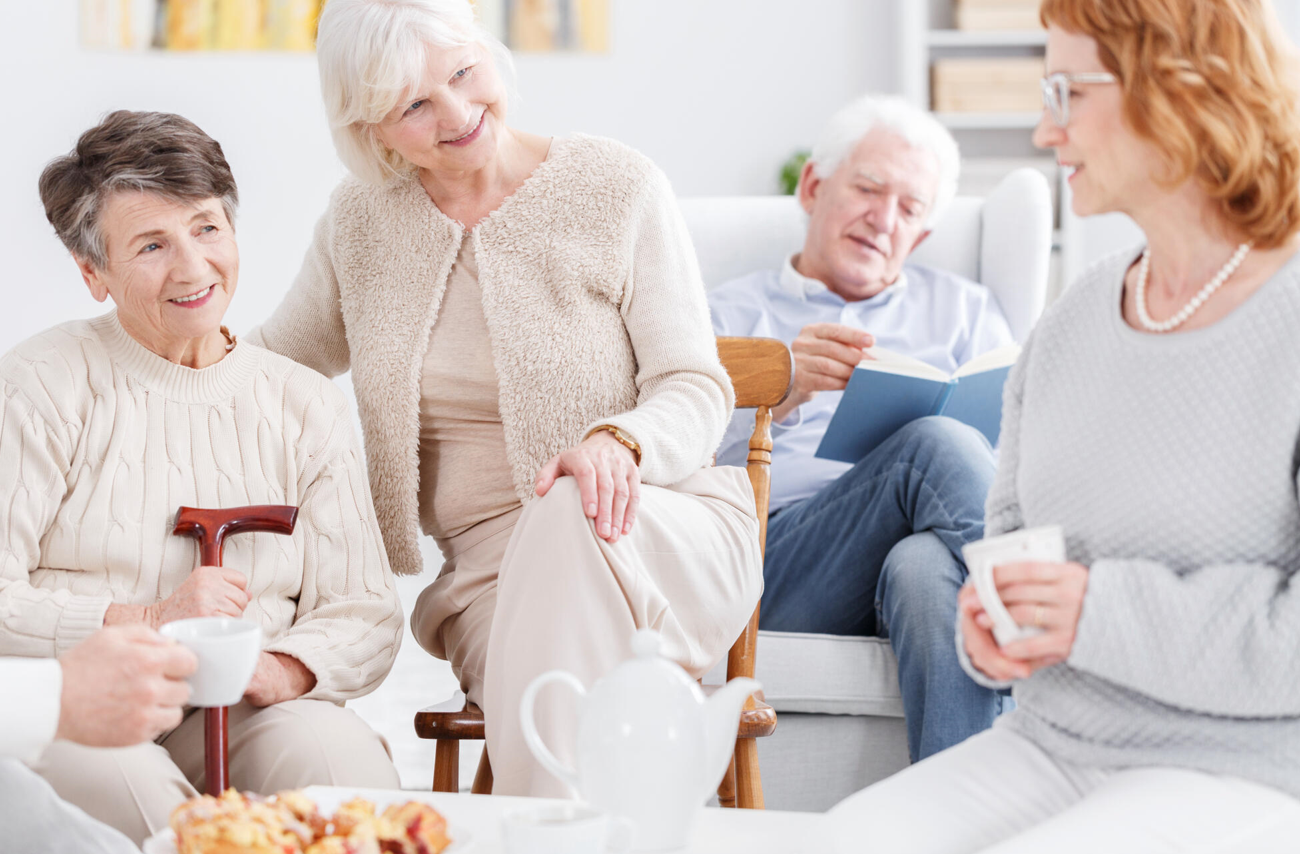
As we get older, keeping our minds sharp remains an essential part of overall health and daily wellness. Doing activities that challenge the brain helps seniors stay mentally active, vibrant, and connected to the world around them. Aging certainly does not have to mean slowing down or losing touch with personal passions.
With the right mix of hobbies, older adults can continue to enjoy life and build meaningful bonds with others. This guide explores a wide range of engaging and simple activities for seniors designed to keep the brain functioning at its best and improve long-term mental well-being.
How Neuroplasticity Responds to Novel Mental Tasks
Mental stimulation through creative pursuits supports brain plasticity and helps preserve cognitive function as people age. Neuroscientists have found that engaging in novel, complex tasks encourages the brain to form new neural connections, which acts as a protective shield against cognitive decline.
When older adults try something unfamiliar or express themselves through art, music, or writing, multiple regions of the brain must work together simultaneously. This multi-sensory engagement improves executive function, attention span, and processing speed. Regular mental workouts keep the mind resilient, reduce feelings of isolation, and foster a strong sense of personal accomplishment.
Refining Fine Motor Skills Through Tactile Visual Arts
Visual arts provide a wonderful outlet for seniors to express their inner thoughts while maintaining fine motor coordination. Activities like painting, sketching, pottery, and textile crafts encourage older adults to experiment with color, texture, and form.
Working with different materials requires hand-eye coordination and precise finger movements, which helps keep joints flexible and muscles engaged. Beyond the physical benefits, creating art offers deep emotional release. For more inspiration on exploring these artistic hobbies, take a look at these fun activities for elderly individuals to explore their artistic side. Group art sessions at community centers also provide a welcoming space for socialization, allowing participants to share techniques and make new friends.
Unlocking Long-Term Memory Networks With Melody and Rhythm
Music acts as a powerful catalyst for memory retrieval and emotional regulation in older adults. Singing in a choir, learning a simple instrument, or participating in a rhythm circle stimulates auditory processing and memory networks across both hemispheres of the brain.
Neurological studies show that musical memories are often preserved even when other types of memory begin to fade. Listening to familiar songs from youth can transport seniors back to cherished moments in their past, reducing anxiety and elevating their mood. Building personalized playlists or joining a local musical group offers a reliable way to harness these therapeutic benefits every single day.
Cultivating Patience and Coordination Through Botanical Projects
Gardening gives seniors a hands-on way to stay physically active while connecting deeply with the natural world. Planting seeds, pruning flowers, and tending to container gardens require patience, gentle physical exertion, and careful observation.
Spending time outdoors under natural sunlight helps regulate circadian rhythms and boosts Vitamin D levels, which benefits bone density and immune health. Community gardening programs also foster a strong sense of shared purpose and teamwork among neighbors, making it a fantastic group pastime for older adults who enjoy being outside.
Targeting Logical Reasoning With Structured Problem-Solving Puzzles
Puzzles and structured brain games offer an accessible daily workout for mental agility and problem-solving skills. Classic options like crosswords, sudoku, jigsaw puzzles, and word searches challenge short-term memory and logical reasoning.
Incorporating these activities into a daily schedule can be as simple as solving the morning newspaper puzzle or playing a digital strategy game on a tablet. Many community spaces and recreation centers host weekly puzzle clubs, turning a solitary challenge into an enjoyable social gathering.
Adapting Activities to Accommodate Changing Physical Abilities
Adapting activities to accommodate changing physical abilities ensures that all seniors can participate safely and comfortably. Caregivers and family members can introduce adaptive tools, such as large-grip paintbrushes, magnifying sheets for reading fine print, or simplified instrument modifications.
It is important to watch for signs of frustration or physical fatigue and keep sessions short and enjoyable rather than demanding. Flexibility and patience allow older adults to engage at their own pace without feeling overwhelmed.
Frequently Asked Questions
What are the best creative activities for seniors with limited mobility?
Seniors with limited mobility can enjoy activities like listening to curated music playlists, painting with tabletop easels, knitting with soft yarn, or participating in guided storytelling and creative writing.
How often should older adults engage in mental stimulation exercises?
Engaging in mentally stimulating activities for twenty to thirty minutes a day can provide significant cognitive benefits without causing fatigue.
Can brain games prevent cognitive decline entirely?
While brain games cannot completely stop age-related neurological conditions, regular mental exercise helps build cognitive reserve and supports overall brain health.
Are group activities better than solitary hobbies for seniors?
Both types of activities offer unique advantages; group hobbies provide vital social connection and emotional support, while solitary hobbies allow for deep focus and personal relaxation.
How can caregivers introduce new hobbies to resistant seniors?
Caregivers can introduce new hobbies gradually by tying them to past interests, starting with low-pressure group sessions, or participating alongside the senior as a shared experience.
What materials are needed to start an art program at home?
Basic watercolor paints, thick drawing paper, washable markers, and clay are inexpensive and accessible supplies to start exploring visual arts at home.
Disclaimer: The information provided in this guide is for educational and informational purposes only. Readers should consult qualified healthcare professionals or occupational therapists before introducing new physical or intensive regimens to older adults with specific health conditions.


