

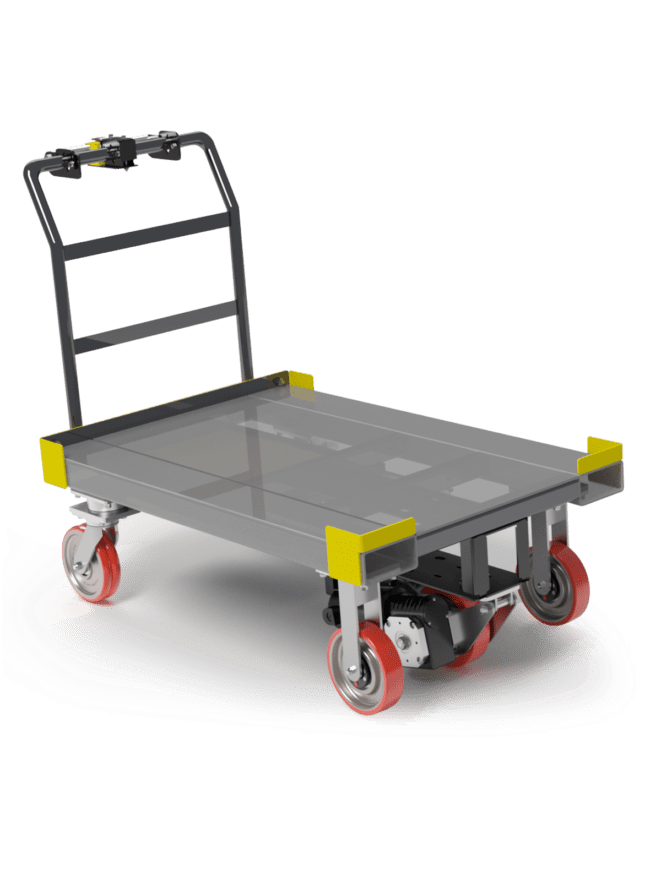
Logistics management operates as a fast-paced field where operational throughput and precision dictate overall facility success. The custom material handling cart remains an essential yet frequently underestimated asset for active warehouse floors and assembly plants. Rather than relying on generic catalog designs, these specialized transport units are engineered from the ground up to match the unique physical dimensions and weight demands of specific industrial workflows. By aligning transport equipment directly with specialized facility layouts, operations managers significantly streamline internal transfers, lower inventory damage rates, and protect workers from repetitive strain injuries. This practical guide examines how tailored mobile equipment supports contemporary supply chain performance.
Why Off-The-Shelf Carts Create Bottlenecks in Fulfillment Hubs
Standard industrial transport units often fail to meet the rigorous demands of high-speed distribution centers because they rely on universal, one-size-fits-all dimensions. Mass-produced equipment frequently lacks the exact tier spacing, structural height, or weight capacity required for irregular or heavy industrial sub-assemblies. When floor operators must force standard equipment to accommodate unusual parts, loading times increase and product handling risks multiply across the facility. Customized logistics carts eliminate these operational friction points by providing designated holding slots, custom cradles, and secure mountings tailored to specific inventory items.
Measuring the Operational Advantages of Tailored Mobile Units
Investing in custom material handling carts delivers measurable performance gains across daily productivity, floor safety, and long-term financial expenditure.
Floor Productivity and Picking Speed
When a cart is engineered specifically for a single assembly task or specific picking route, material transfer times drop sharply. For instance, an automotive assembly line cart can feature dedicated vertical racks for distinct mechanical fasteners, wiring harnesses, and specialized hand tools. Technicians can access all required components simultaneously without walking back and forth to stationary supply bins.
Operator Safety and Ergonomic Protection
Floor safety is a foundational priority in any active distribution center or manufacturing plant. Tailored transport units incorporate specialized ergonomic handle placements, stable wheel bases, and secure locking mechanisms that prevent heavy loads from shifting or tipping over during transit. Proper cart design significantly reduces repetitive strain injuries and eliminates accidental spills across slippery facility corridors.
Total Cost of Ownership Analysis
Although custom fabrication requires a higher upfront financial commitment than standard catalog purchases, the long-term savings are substantial. Minimizing product drop damage, preventing structural equipment failures, and lowering workers’ compensation claims through superior ergonomic design yields a strong return on investment over time.
| Evaluation Metric | Standard Catalog Carts | Custom Engineered Carts |
| Platform Dimensions | Fixed universal sizing | Exact fit for facility floor layouts |
| Load Capacity | General ratings | Engineered precisely for maximum load |
| Ergonomics | Basic push handles | Adjustable heights and custom grips |
| Damage Risk | Moderate to high for odd shapes | Low due to custom cradles and dividers |
Structural Material Selection for Industrial Environments
Selecting the right structural material ensures that custom material handling carts withstand daily industrial wear and harsh environmental exposure.
Comparing Industrial Framework Materials
Facility managers can choose from several durable materials depending on industry standards and cleanliness requirements. Heavy-duty steel provides unmatched durability for moving massive industrial machinery parts. Lightweight aluminum offers a corrosion-resistant alternative ideal for electronics manufacturing and aerospace components. High-grade plastic proves excellent for clean environments due to its easy sanitation, while stainless steel satisfies strict medical and food processing hygiene mandates.
| Material Type | Core Characteristics | Typical Industry Application |
| Steel | Heavy-duty and rugged | Heavy manufacturing and automotive |
| Aluminum | Lightweight and corrosion-resistant | Aerospace and electronics distribution |
| Plastic | Easy to wash and non-marking | E-commerce fulfillment and pharmaceuticals |
| Stainless Steel | Sanitary and rust-proof | Food processing and medical cleanrooms |
Integrating Mobile Carts With Robotic Automation Systems
Modern warehouse technology increasingly relies on autonomous mobile robots and automated guided vehicles to haul inventory across massive distribution facilities. Custom material handling carts must now feature specialized hitching mechanisms, heavy-duty tow bars, and secure docking brackets to interface seamlessly with robotic towing systems. Designing carts specifically for robotic integration allows facilities to transition smoothly from manual transport to fully automated internal logistics without redesigning their entire fleet.
Sector-Specific Applications on the Warehouse Floor
Diverse commercial sectors utilize customized transport equipment to maintain strict operational standards and high daily throughput.
Automotive Assembly Lines
Automotive assembly plants rely heavily on multi-tier mobile carts to move engines, transmissions, and dashboard components directly to the moving vehicle chassis. Having specialized slots guarantees that assembly workers select the correct component instantly without delay.
Pharmaceutical Cleanrooms
Pharmaceutical cleanrooms demand absolute adherence to stringent sanitation guidelines. Stainless steel custom carts safely transport sterile vials, active pharmaceutical ingredients, and delicate laboratory instruments without shedding particles or harboring bacteria.
High-Volume E-Commerce Hubs
High-volume e-commerce hubs utilize partitioned plastic and lightweight metal carts to sort multi-item customer orders during active batch picking waves, directly reducing sorting errors and packing delays.
Procurement and Implementation Workflow Steps
Implementing tailored transport equipment requires a methodical process from initial planning to final staff deployment.
1. Comprehensive Needs Assessment: Audit current material handling bottlenecks, measure typical load weights, and evaluate floor path dimensions across your facility.
2. Engineering and Specification Design: Partner with equipment fabricators to draft CAD blueprints that integrate ergonomic safety elements and robotic towing compatibility.
3. Prototype Testing: Order a single prototype unit for trial use on the active warehouse floor to gather direct operator feedback before full-scale manufacturing begins.
4. Staff Training and Deployment: Train warehouse personnel on correct loading techniques, maneuverability, and locking mechanisms to ensure a safe transition.
For broader operational insights on organizing enterprise supply networks, facility managers can review our guide on modern operational changes in business management across multiple sectors.
Frequently Asked Questions
What is the primary advantage of custom material handling carts over standard models?
Custom carts are built to fit the exact dimensions, weight limits, and task requirements of your specific facility, reducing loading times and product damage.
How long does it typically take to manufacture custom logistics carts?
Production timelines vary based on design complexity and order volume, usually ranging from several weeks to a few months including prototyping.
Can custom carts be integrated with robotic automated guided vehicles?
Yes, custom carts can be engineered with specialized hitches, magnetic guidance strips, and docking pins to work directly with automated mobile robots.
Are stainless steel carts necessary for all warehouse environments?
Stainless steel is primarily required in sanitary industries like food processing and pharmaceuticals, whereas standard steel or aluminum suits general warehousing.
How do ergonomic handles on custom carts protect workers?
Ergonomic handles reduce wrist and back strain by promoting natural posture and making heavy carts easier to maneuver across long distances.
What factors influence the total cost of custom handling equipment?
Costs depend on raw material selection, load capacity ratings, automation integration features, and the total number of units ordered in the production run.
Disclaimer: Information regarding custom material handling carts, material specifications, and operational integration is provided for general informational purposes only. Specifications, costs, and compatibility with automated systems can vary significantly depending on facility requirements and manufacturer capabilities. Readers should consult directly with certified equipment engineers and material handling specialists to verify final design and safety standards before making purchasing decisions.


