

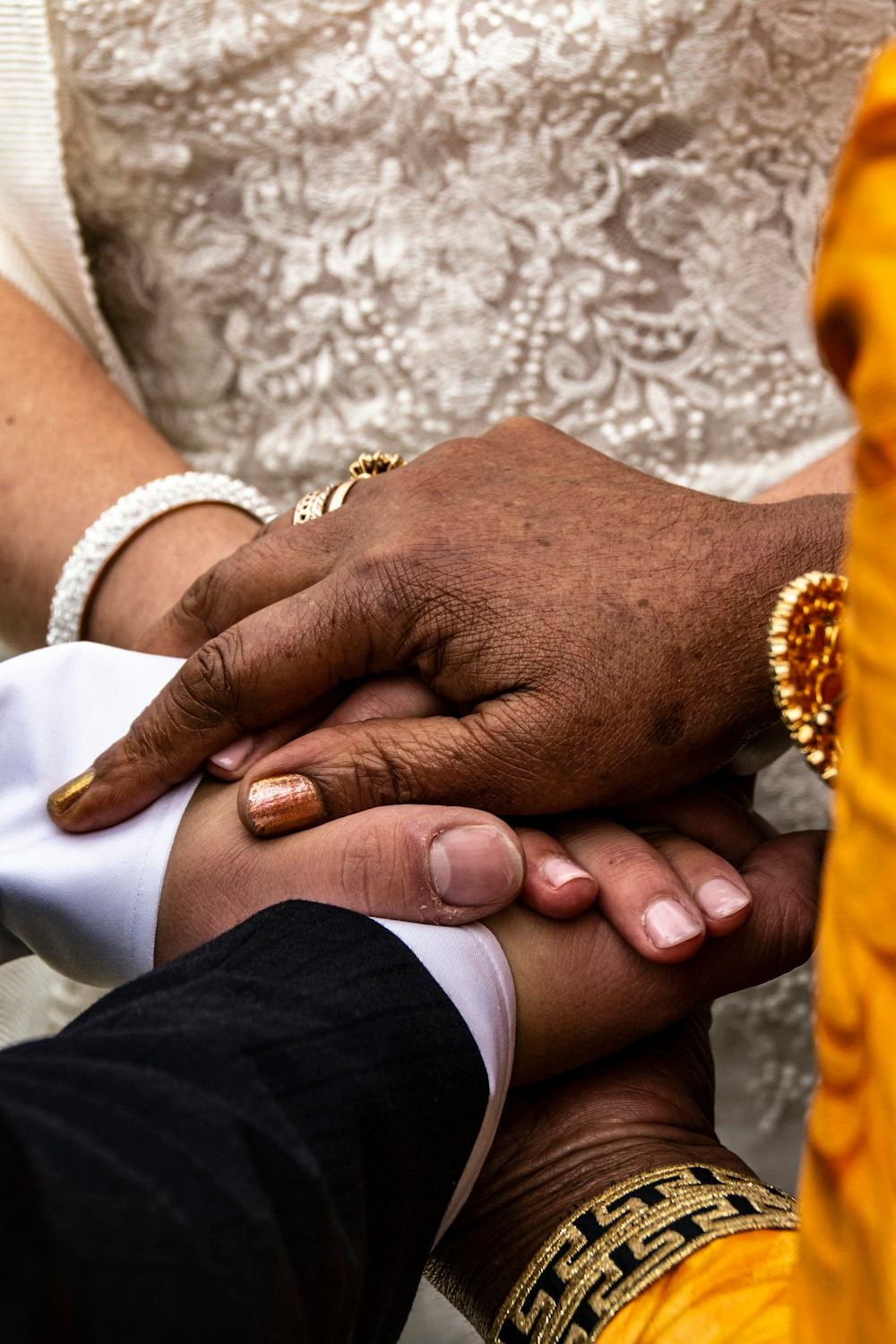
Finding the right marriage visa lawyer is essential for couples navigating complex immigration systems and striving to build a future together. A qualified immigration attorney provides legal guidance, reviews complex paperwork, and represents applicants through every stage of the permanent residency journey. Thorough research, careful vetting, and targeted questions help families secure legal representation that protects their interests and keeps their application on track.
Decoding the Exact Legal Scope of a Partner Petition Attorney
A marriage visa lawyer manages the multifaceted legal process required to secure legal residency or citizenship for a foreign-national spouse through marriage, going far beyond basic clerical filing. Legal professionals in this specialized field evaluate eligibility, gather comprehensive relationship evidence, and coordinate official filings like Form I-130 and Form I-485 while anticipating shifting federal adjudication trends. Marriage visa lawyers also help couples prepare for mandatory interviews, respond to official requests for evidence, and address complications regarding consular processing or adjustment of status.
Immigration regulations involve strict timelines and exacting evidentiary standards. A minor discrepancy in financial documentation or proof of a bona fide marriage can trigger significant delays or formal denials. Retaining experienced legal counsel minimizes these risks by ensuring that every document meets government specifications before submission.
Weighing General Practitioners Versus Dedicated Immigration Counsel
Choosing the correct type of legal professional depends heavily on the complexity of your immigration background and specific family legal needs, as not all attorneys possess the same depth of focus when it comes to federal immigration law.
| Lawyer Type | Primary Focus | Best Suited For |
|---|---|---|
| Immigration Law Specialist | Exclusively practices federal immigration and nationality law. | Complex cases, past immigration violations, or criminal histories. |
| General Practice Lawyer | Handles a broad range of civil and criminal matters. | Simple local legal issues; generally less ideal for specialized visa work. |
| Family Law Attorney | Focuses on domestic relations like divorce, custody, and prenuptial agreements. | Couples dealing with domestic legal agreements, though separate immigration counsel is often still necessary. |
Dedicated immigration law specialists generally offer the most dependable expertise for marriage-based petitions because they stay current with shifting federal agency policies and procedural rules. General practice attorneys or family law practitioners may understand domestic relationships, but they frequently lack the detailed knowledge required to navigate complicated consular procedures.
Verifying Bar Standing and Specialized Immigration Credentials
Verifying a lawyer’s credentials protects you from unqualified practitioners and ensures your case is handled by a licensed professional who understands federal jurisdiction. Every practicing attorney must hold a valid law degree from an accredited institution and maintain an active license to practice law within their specific state or jurisdiction.
Beyond basic licensing, look for lawyers who dedicate a substantial portion of their practice to immigration law. You can check state bar association directories to confirm that the attorney maintains a clean disciplinary record without a history of professional misconduct. Membership in recognized organizations such as the American Immigration Lawyers Association often indicates an active commitment to staying updated on federal policy changes.
Spotting Warning Signs and Unethical Traps During Your Search
Recognizing warning signs during your search helps you steer clear of unethical practitioners who exploit vulnerable applicants navigating emotional life milestones. One major red flag is any attorney who guarantees visa approval or a specific timeline, as federal agencies retain sole discretion over every adjudication.
Other warning signs include vague fee structures, reluctance to provide a written retainer agreement, and poor communication practices where your calls or emails go unanswered for weeks. If an attorney suggests submitting false information or omitting critical details on official forms, terminate the relationship immediately. For guidance on evaluating professional legal representation in other contexts, you can review important considerations for hiring legal counsel to ensure you apply the same careful standards across different legal needs.
Evaluating Strategy and Communication During Initial Consultations
Asking targeted questions during your initial consultation allows you to assess an attorney’s experience, communication style, and suitability for your case. Most immigration lawyers offer an initial meeting either free of charge or for a flat consultation fee.
- How many marriage-based visa petitions have you successfully handled over the past few years?
- Will you personally manage my case, or will it be delegated to paralegals or junior staff members?
- What is your preferred method and timeline for communicating updates about my petition?
- What is your fee structure, and does it cover representation at interviews or only initial filing?
- What potential complications do you foresee in our specific background, and how do you plan to address them?
Frequently Asked Questions
Do I legally need a lawyer to file a marriage visa?
No law requires you to hire a lawyer to file a marriage visa application, and many couples complete the paperwork independently. However, legal representation is highly beneficial for couples dealing with complex immigration histories, criminal records, or prior visa denials.
How much do marriage visa lawyers typically charge?
Legal fees vary widely based on geographic location, the complexity of the case, and whether the process involves consular processing or adjustment of status. Most immigration lawyers charge flat fees for standard petition preparation, while hourly rates apply for complex disputes.
What is the difference between a marriage green card and a fiancé visa?
A fiancé visa allows an engaged partner of a citizen to enter the country to marry within a specific timeframe, while a marriage visa is designed for couples who are already legally married. The chosen path depends on where the wedding takes place and current processing times.
How long does the marriage visa process take?
Processing times fluctuate based on government backlogs, service center workloads, and the accuracy of the initial application package. Official government websites provide the most current estimated timeframes for each specific form type.
What happens if our marriage visa application is denied?
If an application is denied, the government typically issues a notice explaining the specific reasons for the rejection. An experienced lawyer can help you file an appeal, submit a motion to reopen, or reapply with corrected documentation.
How can I verify if an immigration lawyer is legitimate?
You can verify an attorney’s licensing status and disciplinary history by searching the online directory of the state bar association where they maintain their office. Avoid notaries or unauthorized practitioners who advertise immigration services without legal credentials.
Finding the right legal support requires careful research, patience, and clear communication from the very beginning. Always verify official guidelines directly through government resources to stay informed about changing policies.


