
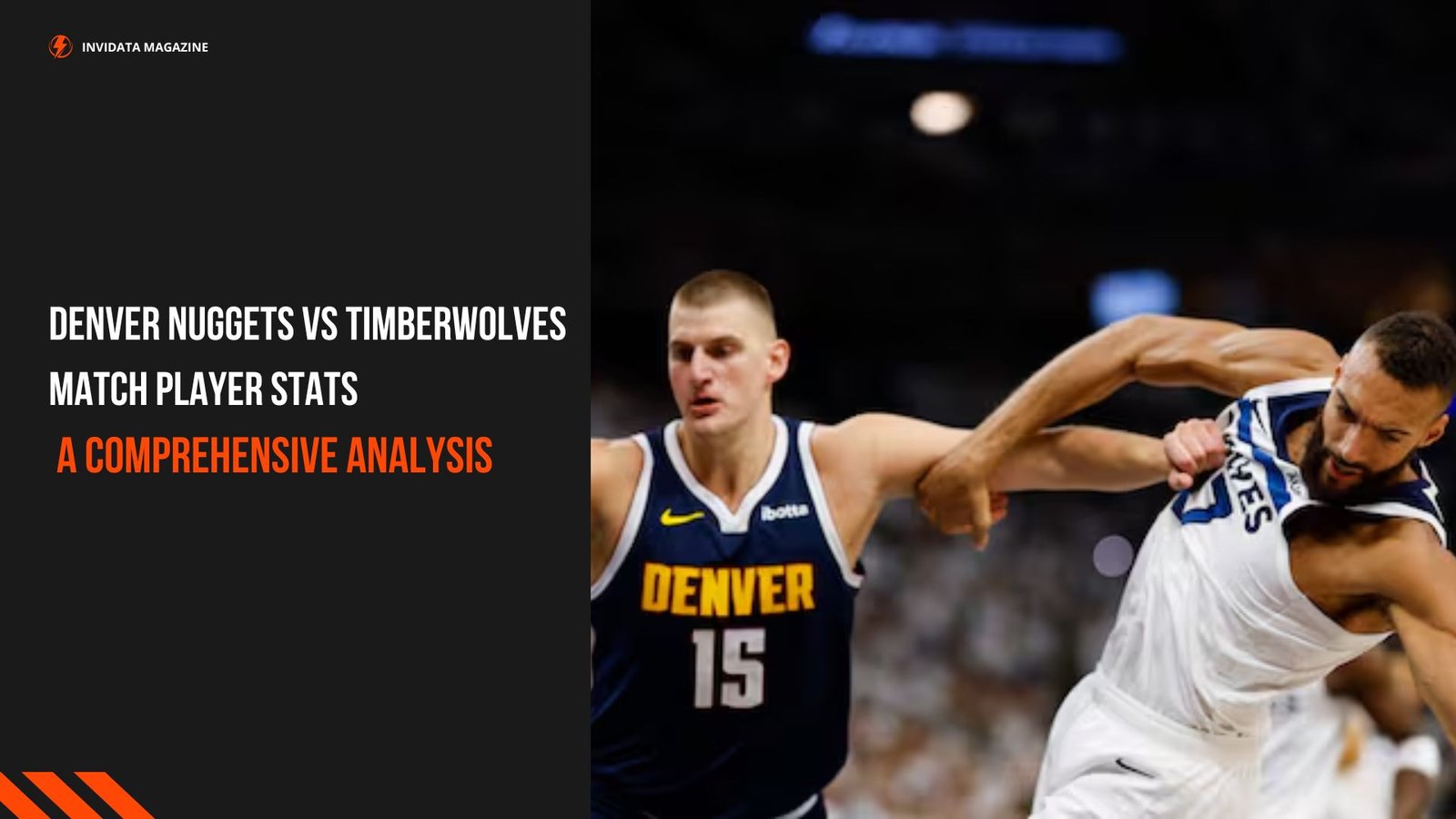
The intense matchup between the Denver Nuggets and the Minnesota Timberwolves took place on March 1, 2026, at Ball Arena, resulting in a 117-108 victory for the visiting Minnesota squad. This high-stakes clash showcased the fierce competition typical of divisional rivals in the Western Conference. Minnesota utilized relentless defensive pressure and a balanced scoring attack to secure a crucial win, altering the momentum of their ongoing conference campaign. For basketball fans and sports analysts alike, breaking down the underlying numbers offers a clear look at how teamwork and tactical execution can overcome individual brilliance.
This comprehensive analysis examines the individual player statistics, quarter-by-quarter scoring flow, and team totals from that specific game. Every major contributor is evaluated based on official box score data, highlighting points scored, rebounds grabbed, assists distributed, and defensive impacts.
Divisional Stakes and Ball Arena Game Atmosphere
Divisional games late in the regular season carry immense weight because every victory directly impacts playoff seeding and conference standings.
The Denver Nuggets entered the home fixture looking to solidify their positioning near the top of the Western Conference table, while the Minnesota Timberwolves aimed to close the gap against top-tier opponents. Because these two franchises have faced each other frequently in high-profile playoff series and regular-season battles, familiarity breeds both intense defensive schemes and heightened competitive energy. Every possession on March 1 was fiercely contested, setting the stage for tactical adjustments and standout individual efforts.
Timberwolves Balanced Rotation and Perimeter Execution
The Minnesota Timberwolves secured the win through a collective effort that featured contributions across both the starting lineup and the bench.
Anthony Edwards led the charge for the Timberwolves with 21 points, showcasing his ability to score from multiple levels while also distributing 6 assists to open teammates. In addition to his scoring and playmaking, Anthony Edwards added 3 rebounds and 2 blocked shots, anchoring the perimeter defense with active hands and high energy. Jaden McDaniels delivered an exceptionally efficient performance, contributing 20 points by converting 9 of his 12 field goal attempts. Jaden McDaniels also recorded 3 assists and 2 steals, proving invaluable on both ends of the floor.
Providing a vital spark off the bench, Bones Hyland scored 18 points in just 16 minutes of action against his former team. Bones Hyland connected on all 3 of his three-point attempts, injecting instant offense during crucial stretches in the first half. Donte DiVincenzo also stretched the floor effectively, putting up 17 points powered by 5 made three-pointers, alongside 5 assists and 2 steals. Rounding out the primary contributors, Julius Randle posted a well-rounded stat line of 14 points, 9 rebounds, and 7 assists, orchestrating plays from the high post and grabbing crucial defensive boards.
Nuggets Star Production and Defensive Limitations
The Denver Nuggets relied heavily on their superstar core, but ultimately fell short despite remarkable individual production.
Nikola Jokic put on a masterclass for Denver, finishing just shy of a triple-double with 35 points, 13 rebounds, and 9 assists. Nikola Jokic orchestrated the offense with supreme vision, but the suffocating defensive schemes deployed by the Timberwolves forced tough looks elsewhere on the floor. Jamal Murray supported the scoring load with 25 points, shooting 9 for 22 from the field and draining 4 three-pointers while attempting to spark a late-game rally.
Christian Braun chipped in with 15 points and 6 rebounds through relentless hustle and cutting, while the rest of the rotation struggled to establish consistent perimeter shooting. As a team, the Denver Nuggets faced an uphill battle from beyond the arc, converting only 6 three-pointers throughout the contest and allowing Minnesota to capitalize on long rebounds.
Quarter-by-Quarter Flow and Momentum Shifts
The flow of the game shifted dramatically after a strong opening period by the host team.
In the first quarter, the Denver Nuggets established an early rhythm, moving the ball quickly and taking advantage of interior mismatches to build a 31-22 lead. However, the game turned completely in the second quarter as the Minnesota Timberwolves locked down defensively and ignited a fast-break onslaught, outscoring Denver 36-19 before halftime. The third quarter proved to be an evenly matched offensive showcase where both teams traded baskets and scored 32 points apiece. Finally, in the fourth quarter, Minnesota maintained its composure under pressure, securing a 27-26 edge in the final frame to seal the 117-108 victory.
Official Ball Arena Box Score Statistics
Official box score data highlights the statistical margins that dictated the final outcome.
| Team | Points | Rebounds | Assists | Steals | Turnovers | |
|---|---|---|---|---|---|---|
| Minnesota Timberwolves | 117 | 42 | 29 | 13 | 11 | |
| Denver Nuggets | 108 | 44 | 28 | 6 | 15 |
The primary difference in the team statistics lies in the turnover and steal differential, as Minnesota generated 13 steals and turned Denver’s mistakes into easy transition points. For fans interested in other high-profile basketball matchups from around the league, examining rival contests offers further insight into how elite squads manage ball security and defensive intensity.
Tactical Summary of the Ball Arena Encounter
Balanced scoring paired with aggressive perimeter defense ultimately outweighed a stellar individual triple-double effort.
Minnesota proved that depth and defensive disruption can neutralize even the most dominant single-player performances in the NBA. While Nikola Jokic and Jamal Murray kept Denver competitive until the final minutes, the Timberwolves’ bench production from Bones Hyland and accurate shooting from Donte DiVincenzo widened the gap. This encounter serves as a prime example of how transition defense and rebounding edge out star-reliant offensive schemes in modern basketball.
For more on other high-intensity league matchups and player performances, see our detailed guide on Boston Celtics and Dallas Mavericks player metrics.
Frequently Asked Questions
What was the final score of the game between Denver and Minnesota?
The Minnesota Timberwolves defeated the Denver Nuggets with a final score of 117-108.
When was this basketball game played?
The game took place on March 1, 2026, at Ball Arena in Denver.
Who scored the most points for the Denver Nuggets?
Nikola Jokic led the Denver Nuggets with 35 points, adding 13 rebounds and 9 assists.
Which Minnesota player led their team in scoring?
Anthony Edwards paced the Minnesota Timberwolves with 21 points along with 6 assists and 3 rebounds.
How many three-pointers did Donte DiVincenzo make?
Donte DiVincenzo knocked down 5 three-pointers as part of his 17-point performance off the perimeter.
What was the turning point in the game’s momentum?
Minnesota outscored Denver 36-19 in the second quarter, completely erasing an early first-quarter deficit.
Disclaimer: This article is published for informational and analytical purposes regarding professional basketball statistics. All data reflects official league box scores from the March 1, 2026, matchup and is subject to official adjustments by the organization.

Daniel J. Morgan is the founder of Invidiata Magazine, a premier publication showcasing luxury living, arts, and culture. With a passion for excellence, Daniel has established the magazine as a beacon of sophistication and refinement, captivating discerning audiences worldwide.


[…] enthusiasts interested in professional player metrics and analytical breakdowns, you can review our detailed breakdown of Denver and Minnesota matchups to see how performance data is […]
[…] When working with Chicago long distance movers, you will encounter two primary estimate types: binding and non-binding. A binding estimate guarantees that the total cost will match your quoted price exactly based on the inventory list provided. A non-binding estimate is merely an approximation, meaning your final bill could increase if your shipment weighs more than expected. Additionally, review your cargo valuation coverage options. Basic released liability is usually free, but it only reimburses a minimal amount per pound per item. Purchasing full-value protection ensures that damaged or lost items are repaired, replaced, or reimbursed at their current market cash value. For more on professional guidance and recreation topics outside of moving day, you can check out our detailed breakdown of Denver and Minnesota matchups. […]
[…] star-driven rosters manage conference matchups, observers frequently compare these figures against our detailed breakdown of Denver and Minnesota matchups to understand league-wide trends in roster construction and defensive […]