

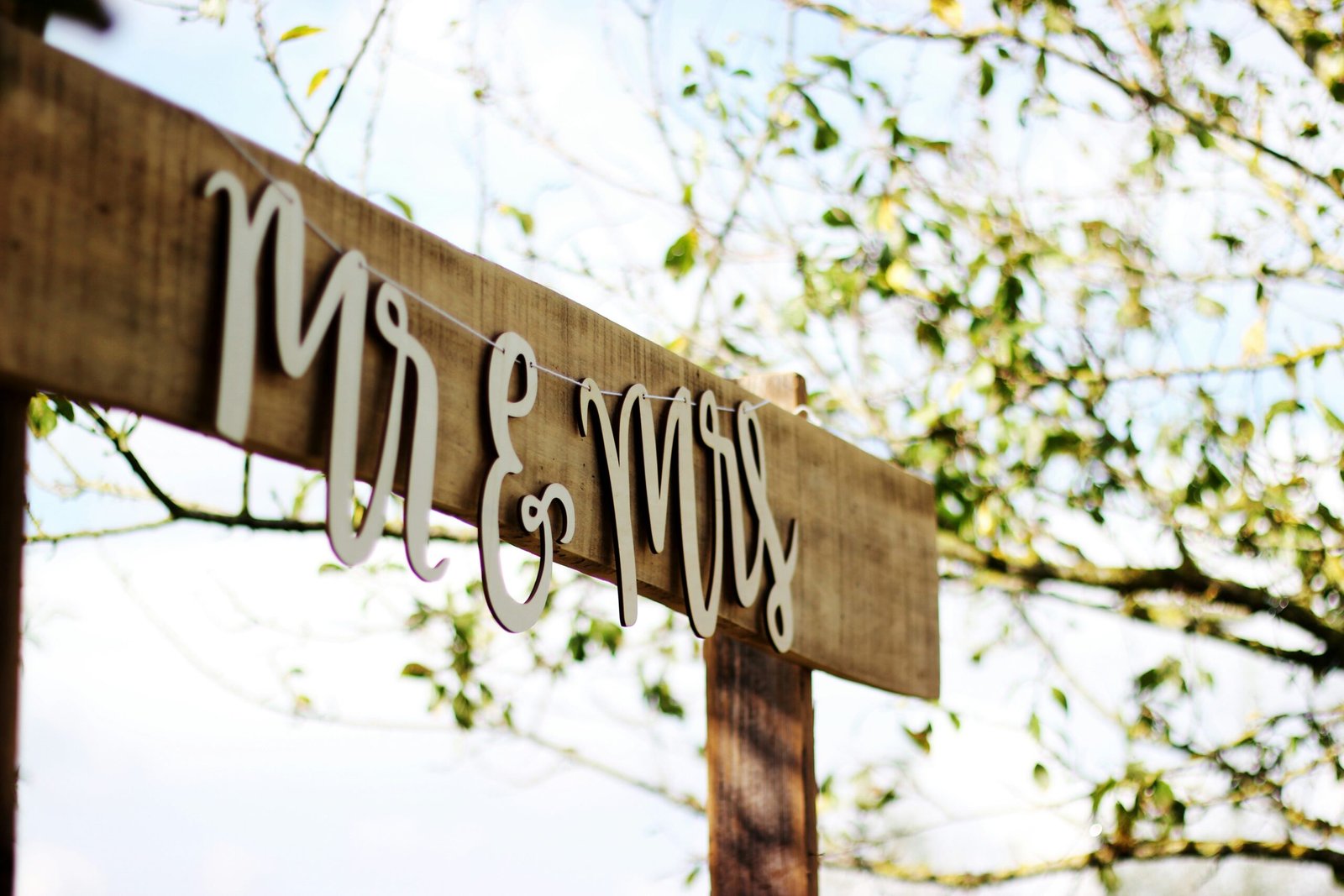
Photo by micheile henderson on Unsplash
Selecting a wedding venue design is like curating an art exhibit that reflects your unique love story and personal aesthetic. The right design captivates attending guests and creates lasting memories that linger long after the final dance. Though the decision can feel overwhelming at first, structured guidance is available to help you choose the ideal venue layout and decorative scheme.
Assessing Your Season, Weather Contingencies, and Location
Regional climate patterns and seasonal shifts directly dictate structural and aesthetic venue choices for your celebration.
The time of year you choose to host your ceremony has a significant impact on your venue design choices. If you are planning a winter wedding, cozy warm hues and rich textiles create an intimate setting indoors. A spring wedding, on the other hand, leverages fresh blooms and pastel tones to reflect the season’s new beginnings.
Weather also dictates whether you consider indoor or outdoor venues. A beautifully styled indoor venue serves as a reliable haven against unpredictable rain showers, while an open-air setting shines with intentional lighting under a summer night sky.
Location is equally important because peak wedding seasons vary widely across regions. A coastal ceremony in Malibu offers the advantage of year-round sunshine, making outdoor venues a strong choice in almost any month. In contrast, states with more pronounced seasons require careful planning around unpredictable weather drops or freezing temperatures. Selecting a location that aligns with your vision and seasonal expectations ensures a seamless celebration.
Translating Personal Style Into a Cohesive Layout
Couples can define their distinct aesthetic—from minimalist to maximalist—and map it onto an actual physical space.
Your wedding decor should reflect your shared personal style as a couple. Are you drawn to the rustic charm of exposed wood and natural greenery, or the sleek lines of contemporary urban architecture? Perhaps a blend of both styles fits your vision better. Consider what design elements matter most to you. Do you envision crystal chandeliers casting a warm glow over a formal banquet hall, or sunlight filtering through a leafy canopy at an alfresco ceremony?
Start by jotting down colors, textures, and particular themes that you both love. See how these elements can be incorporated into your venue design without cluttering the space. For couples also planning personal attire details to match their aesthetic, exploring options like a custom tailored wedding outfit helps ensure the entire bridal party coordinates effortlessly with the venue’s overall atmosphere.
Prioritizing Guest Comfort, Flow, and Accessibility
Addressing critical operational details ensures that physical navigation, seating arrangements, and mobility accommodations keep everyone comfortable.
While visual aesthetics are crucial for photographs, guest comfort should never be overlooked during the layout planning phase. Ensure your venue comfortably accommodates your total guest list without feeling cramped or difficult to navigate. Reflect on elements such as ease of movement between the ceremony site, cocktail hour area, and reception dining tables.
For instance, a highly stylized industrial loft might look incredible on camera but come with logistical challenges if elevators are scarce and older guests or those with mobility issues are attending. Prioritizing clear pathways and accessible restrooms guarantees that all attendees enjoy the day safely.
Current Wedding Venue Design Trends
Modern styling movements now focus on multi-purpose spatial staging, sustainable floral sourcing, and tailored architectural lighting design.
Classic elegance remains a popular choice, involving timeless elements like luxurious fabrics, gentle perimeter lighting, and sophisticated floral arrangements. Modern minimalism, in contrast, embraces clean lines, uncluttered floor plans, and a neutral color palette that emphasizes quality over quantity.
More couples are also choosing to incorporate sustainable design practices to foster a mindful connection with the environment. From sourcing locally grown seasonal flowers to eliminating single-use plastics in favor of reusable rentals, eco-conscious planning feels fresh and thoughtful. Strategic lighting design has similarly taken center stage, using warm uplighting and pin-spotting to transform blank venue walls into dramatic backdrops.
| Design Style | Key Visual Features | Best Suited For |
|---|---|---|
| Classic Elegance | Luxurious fabrics, soft draping, warm ambient lighting | Ballrooms, historic estates, grand hotels |
| Modern Minimalism | Clean lines, neutral palettes, uncluttered open floor plans | Industrial lofts, art galleries, modern museums |
| Bohemian Nature-Inspired | Wild greenery, natural wood textures, organic earth tones | Botanical gardens, glass greenhouses, outdoor tents |
Smart Budgeting for Venue Decor and Design Elements
Allocating funds effectively across lighting, rentals, and structural accents prevents overspending while maximizing visual impact.
Setting a realistic budget for your decorative elements helps you avoid unexpected financial strain closer to the wedding date. Allocate costs across key areas such as specialty furniture rentals, table settings, ambient lighting, and floral installations. Remember that thoughtful, targeted touches often speak louder than grand, expensive transformations that overwhelm the room.
Talk to your vendors about which areas of the venue draw the most attention during a typical event. Investing your decoration budget heavily into those focal points—such as the head table or the ceremony backdrop—delivers the highest visual return for your investment.
Practical Steps for Touring and Vetting Venues
In-person walkthroughs and close collaboration with venue coordinators are essential for avoiding logistical surprises on your wedding day.
Never underestimate the power of a personal venue visit before signing a contract. Photos online only tell part of the story, whereas standing physically within the space provides you with crucial sensory experiences regarding lighting angles, natural acoustics, and true room capacity.
Leverage the expertise of venue coordinators and professional designers who know the architecture intimately. They can offer valuable insights into the venue’s hidden potential and explain how best to implement your layout vision safely within their operational rules.
Frequently Asked Questions
When should we start planning our wedding venue design?
It is best to start conceptualizing your general design style around the same time you begin touring venues, usually 12 to 18 months before your wedding date.
How can we make a blank canvas venue feel warm and personal?
You can warm up an empty industrial space or tent by bringing in textured fabrics, warm uplighting, wooden farm tables, and personal photo displays.
Should the venue design match the season of our wedding?
Aligning your color palette and floral choices with the natural season helps your decor feel harmonious and makes sourcing local materials much easier.
How do we handle unexpected weather changes for an outdoor venue?
Always secure a reliable backup rain plan or clear tent rental agreement with your venue before finalizing your outdoor design layout.
Can venue coordinators help us set up our decor?
Venue coordinators typically manage facility operations, so you may need to hire a separate wedding day-of coordinator or decorator to set up personal items.
How much of our overall budget should go toward venue decor?
Couples generally allocate around 10 to 15 percent of their total wedding budget toward decor, rentals, and floral design elements.
Disclaimer: Wedding venue policies, design trends, and vendor availability can change over time. Always verify final layout rules, safety codes, and pricing directly with your venue and service providers before making commitments.


[…] tones. Furthermore, couples shaping their overall spatial setup can explore resources like our venue design inspiration guide to discover creative ways to blend natural surroundings with functional wedding […]