

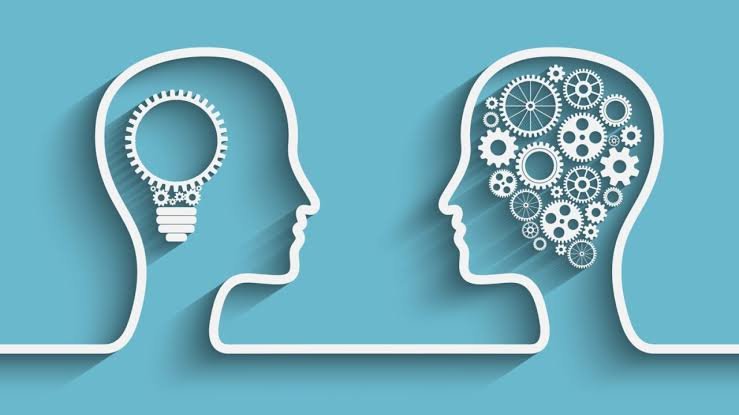
We have all heard the term growth mindset, but what does it really mean when navigating everyday hurdles? In an era where people constantly seek ways to improve their personal and professional capacities, adopting this specific mental framework serves as an anchor for long-term success. A growth mindset is the psychological belief that fundamental abilities, intelligence, and talents are never static traits. Instead, they can be steadily developed over time through dedication, deliberate practice, and perseverance. This perspective fundamentally shifts how individuals approach complex challenges, handle unexpected setbacks, and pursue meaningful goals. Cultivating this outlook unlocks true human potential by transforming obstacles into actionable learning opportunities rather than permanent roadblocks.
Understanding the Psychological Shift from Fixed Beliefs to Skill Development
Understanding the psychological shift from fixed beliefs to skill development helps explain why some people thrive under pressure while others retreat. A growth mindset is rooted in psychological research popularized by Carol Dweck to explain how people view their underlying capabilities. It stands in direct contrast to a fixed mindset, which assumes that intelligence and natural talent are predetermined at birth and permanently etched in stone. Individuals holding fixed assumptions often avoid difficult tasks to protect their self-image, fearing that mistakes expose a lack of innate worth. Conversely, individuals who embrace a growth mindset welcome challenges, actively analyze criticism, and view failure as essential data for future progress. Shifting away from the need to constantly prove perfection allows people to focus on continuous skill accumulation and cognitive flexibility.
Core Behavioral Characteristics That Define Growth-Oriented Thinking
Core behavioral characteristics that define growth-oriented thinking center on continuous self-improvement, emotional resilience, and a healthy, constructive relationship with feedback. Recognizing these specific behavioral traits makes it easier to spot growth-oriented patterns in daily interactions, educational settings, and demanding professional environments. The primary characteristics include believing that foundational skills can always be expanded, running toward complex tasks instead of avoiding them, viewing failure as a chance to gather data, and actively seeking valuable critique. When individuals internalize these behaviors, they open doors to endless possibilities and approach daily obstacles with an attitude that encourages steady, measurable progress.
| Mindset Dimension | Fixed Mindset Outlook | Growth Mindset Approach |
|---|---|---|
| Core Intelligence Belief | Intelligence and innate talent are unchangeable. | Capabilities expand through dedicated effort and strategy. |
| Reaction to Obstacles | Gives up easily or avoids difficult situations entirely. | Persists through adversity and treats hurdles as puzzles. |
| Response to Criticism | Takes negative feedback personally and acts defensively. | Uses constructive critique to adjust methods and improve. |
Applying Adaptability and Continuous Upskilling in Modern Workplaces
Applying adaptability and continuous upskilling in modern workplaces drives both personal resilience and modern professional success in a digital landscape defined by technological shifts and evolving workplace norms. Whether professionals are navigating remote collaboration frameworks, integrating artificial intelligence tools into daily workflows, or managing career pivots, flexibility is mandatory for survival. People with a growth mindset actively seek out new responsibilities, upgrade their technical skill sets, and take calculated risks that foster genuine career advancement. Furthermore, building emotional resilience and professional adaptability supports broader life goals, much like pursuing healing emotional scars for personal growth to establish a more grounded and meaningful daily existence.
Recognizing Everyday Cognitive Triggers and Limiting Internal Monologues
Recognizing everyday cognitive triggers and limiting internal monologues serves as the critical first step toward lasting cognitive change. Fixed mindset triggers typically appear when individuals encounter unfamiliar tasks, receive unexpected critique, or watch peers succeed effortlessly in shared environments. Common triggers include feeling defensive when a colleague points out an error, avoiding creative projects to protect self-esteem, or telling oneself that a specific technical skill is simply out of reach. Catching these internal monologues allows individuals to pause, examine the underlying fear, and consciously reframe the situation through a lens of curiosity and potential development.
Practicing Daily Strategies to Cultivate Resilience and Ongoing Learning
Practicing daily strategies to cultivate resilience and ongoing learning requires consistent daily practice, intentional reflection, and patience with the inherent discomfort of the learning process. Practical strategies include stepping out of comfort zones to tackle unfamiliar tasks, focusing on the underlying effort and process rather than just the final outcome, and welcoming constructive feedback from peers and mentors. Instead of letting mistakes discourage momentum, individuals can analyze what went wrong and calibrate their strategies accordingly. Celebrating small milestones along the way reinforces personal belief in ongoing adaptability and keeps motivation high during long-term endeavors.
Frequently Asked Questions About Growth Mindsets
What is the main difference between a fixed mindset and a growth mindset?
A fixed mindset assumes that intelligence and talents are innate and unchangeable, while a growth mindset believes those abilities can be developed through hard work, dedication, and proper strategies.
Can someone change from a fixed mindset to a growth mindset?
Yes, neuroplasticity shows that the brain can form new neural pathways through continuous learning, making it entirely possible to reshape how you respond to challenges and failures over time.
Does having a growth mindset mean ignoring failure?
No, having a growth mindset means acknowledging failure honestly, analyzing the root causes of mistakes, and using those lessons as valuable data to improve future performance.
How does a growth mindset impact professional careers?
It enhances adaptability, boosts problem-solving creativity, and encourages employees to embrace new technologies, seek mentorship, and take on complex projects with confidence.
Is positive thinking the same thing as a growth mindset?
Positive thinking simply encourages an optimistic outlook, whereas a growth mindset focuses on actionable strategies, active learning, and sustained effort in the face of real difficulties.
How can parents and teachers encourage a growth mindset in children?
Adults can foster this mindset by praising a child’s effort, strategy, and perseverance rather than praising innate intelligence or natural talent.
Disclaimer: Psychological insights and personal development strategies shared in this article are for informational purposes only. Readers should evaluate their unique personal circumstances and consult professional mentors or counselors when seeking guidance on behavioral changes or mental well-being.

Passionate content writer and savvy blog publisher, Aamir crafts compelling stories and insightful articles that captivate and inform. With a knack for blending creativity and strategy, they bring fresh perspectives to every piece. Dive into their world of words and discover content that resonates.


