

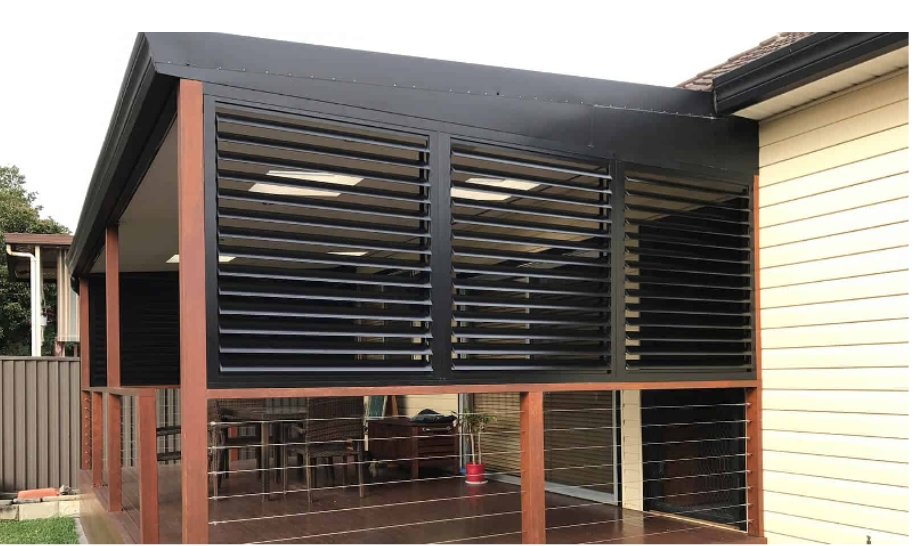
Property owners frequently look for reliable ways to make their exterior living spaces more comfortable and practical throughout the year. Whether managing intense afternoon heat or sudden seasonal downpours, utilizing the right architectural shading elements transforms an open patio into a functional retreat. Two of the most effective upgrades for residential and commercial backyards involve custom exterior screens and adjustable overhead structures. Working with experienced blind suppliers alongside professional builders ensures that every architectural feature meets strict local engineering standards.
Tackling Severe Climate Challenges with Strategic Shading
Regional environmental factors like intense ultraviolet exposure and sudden storms require robust outdoor building materials that withstand harsh weather without degrading.
Homeowners across sun-drenched regions frequently encounter high temperatures that render uncovered decks or pergolas unusable during peak daylight hours. Without proper overhead and vertical barriers, baking sun rays heat up adjacent indoor living rooms and increase overall energy consumption. Incorporating heavy-duty materials such as powder-coated extruded aluminium and marine-grade fasteners protects structural frameworks against rust and wind stress. Designing a weather-resistant exterior zone also safeguards furniture, flooring, and decorative fixtures from premature fading and moisture damage during stormy months, preserving the overall investment in outdoor living.
Advanced Fabric Technology and Smart Automation in Exterior Blinds
Contemporary outdoor blinds utilize high-grade sunscreen meshes and secure track-guided retention channels to block harsh glare while resisting strong winds.
Standard manual pull-down shades have largely given way to sophisticated systems engineered for seamless daily operation. Track-guided designs lock the fabric securely inside vertical side tracks, preventing annoying rattling or tearing during gusty conditions. Property owners can select from varying transparency levels, ranging from light-filtering PVC mesh that preserves backyard views to solid blockout acrylic canvas for complete privacy. Furthermore, integrated motorization allows users to control multiple blinds effortlessly via smartphone applications, handheld remotes, or automated sun and wind sensors that react dynamically to shifting weather patterns.
Engineering Overhead Architecture with Adjustable Louvre Roofs
Adjustable louvre roof systems feature rotating metal blades that provide precise control over sunlight, fresh air circulation, and rainwater management.
Instead of fixed solid pergolas that cast permanent shadows, modern louvre systems adapt to changing weather conditions dynamically. Operating via smooth motorized actuators or manual cranks, the angled slats open to invite morning sunshine or close tightly to form a fully waterproof barrier. Integrated internal guttering channels direct collected rainwater safely away from the seating area and into standard downpipes, preventing pooling and leaks. When planning these overhead structures, homeowners often coordinate the layout alongside quality outdoor furniture pieces to complete a unified backyard entertainment zone that feels balanced and cohesive.
Integrating Vertical Blinds and Overhead Louvre Systems for Complete Enclosures
Combining overhead louvre roofs with drop-down vertical blinds creates a fully protected outdoor room with exceptional thermal insulation performance.
Relying on just a roof or just a wall leaves gaps for angled sun rays and driving sideways rain to ruin an afternoon gathering. By pairing a pivoting louvre roof with motorized side screens, property owners build a versatile enclosure that blocks solar heat gain before it strikes interior glass doors. This combined thermal buffer significantly reduces the workload on indoor air conditioning systems during summer heatwaves, resulting in noticeable savings on monthly electricity bills while expanding usable living space.
Evaluating Professional Installation and Custom Supplier Services
Consulting specialized blind suppliers and licensed installation technicians guarantees correct structural loading calculations and long-term mechanical reliability.
Installing heavy motorized roof frames and large-scale track blinds requires precise measurements and secure anchoring to existing timber or concrete structures. Professional suppliers offer valuable guidance regarding local wind ratings, council building approvals, and manufacturer warranties that protect your investment. Attempting complicated DIY setups often leads to mechanical failure, frame misalignment, or structural vulnerability during severe weather events, making expert involvement essential for safety.
Frequently Asked Questions About Exterior Blinds and Louvre Roofs
Do outdoor track-guided blinds stay secure in high winds?
Yes, track-guided retention systems secure the fabric edges inside side channels to prevent the material from blowing loose during severe gusts.
Are aluminum louvre roofs completely waterproof when closed?
Quality louvre roofs feature interlocking blade profiles and concealed internal gutters that channel rainwater away to keep the space underneath completely dry.
Can motorized outdoor blinds and roofs connect to smart home networks?
Most modern motorized systems integrate easily with home automation hubs, smartphone apps, voice assistants, and automated climate sensors.
How do exterior blinds improve household energy efficiency?
By stopping direct sunlight from striking windows and sliding doors, outdoor blinds prevent heat transfer and lower indoor cooling demands.
What materials offer the best durability for outdoor structures?
Powder-coated extruded aluminum and marine-grade stainless steel hardware provide exceptional resistance to corrosion, UV damage, and everyday weathering.
How long does professional installation usually take for a patio project?
Standard residential installations typically take between one to three days, depending on project scale and structural complexity.
Disclaimer: Product specifications, engineering ratings, and warranty terms vary across manufacturers and local council building codes. Readers should verify all technical details directly with certified suppliers and licensed installers prior to purchase.

Daniel J. Morgan is the founder of Invidiata Magazine, a premier publication showcasing luxury living, arts, and culture. With a passion for excellence, Daniel has established the magazine as a beacon of sophistication and refinement, captivating discerning audiences worldwide.


