

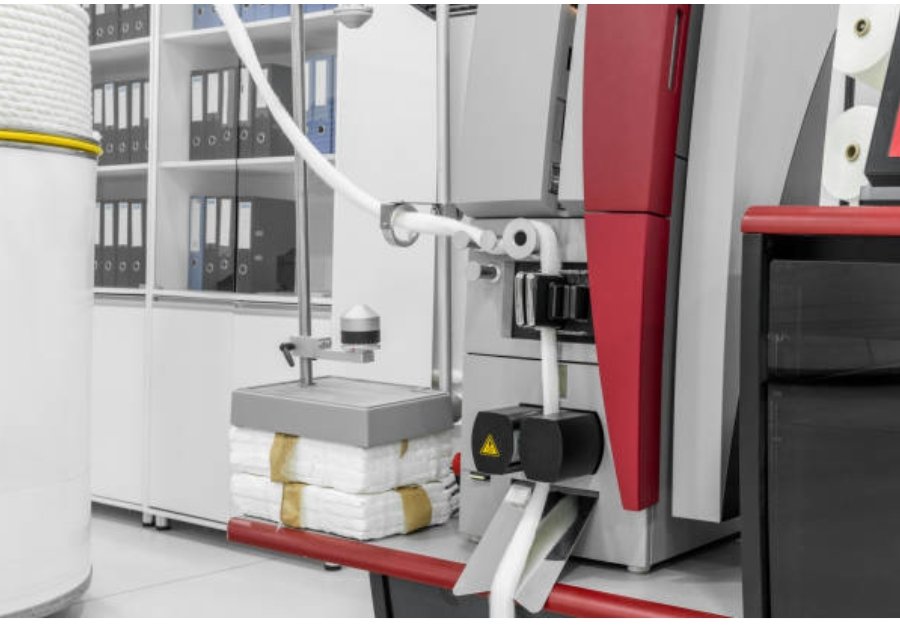
In the pharmaceutical industry, strict precision and absolute adherence to quality standards are vital, particularly during the container filling and sealing of powdered active ingredients. Specialized manufacturing technology from modern equipment providers can dramatically improve these production workflows. This article examines the specific operational hurdles involved in powder packaging for pharmaceuticals and details how advanced machinery designers effectively resolve them.
How Bulk Density and Cohesion Dictate Dosing Mechanics
The physical behavior of pharmaceutical powders dictates every engineering choice on a filling line because properties like bulk density, cohesion, and aeration directly influence dosing consistency and product wastage. Specialized packing machinery provides customized volumetric or gravimetric solutions based on the specific powder type to be packed, ensuring high accuracy with minimal waste. This flexibility is essential for maintaining product quality, especially when handling difficult or changing formulations. These modern systems take into account factors such as static properties and flowability to prevent problems like caking and uneven flow, thereby guaranteeing stable performance.
Apart from handling fundamental powder properties, these machines also address the diverse requirements of different pharmaceutical applications. For instance, sensitive formulations require precise dosing adjustments to ensure every single dose contains the exact therapeutic amount of active ingredient. Advanced servo-driven augers and integrated checkweighers provide real-time feedback loops that automatically adjust fill weights. Better control interfaces also improve the overall user experience, making operations smoother and reducing the likelihood of manual intervention during active production runs.
Engineering Containment Solutions for Highly Active Compounds
Operator safety is paramount when packaging potent or toxic pharmaceutical powders because high-containment enclosures are necessary to prevent hazardous exposure. Modern machinery utilizes specialized Occupational Exposure Band (OEB) containment features and enclosed isolator systems to protect operators from inhaling active pharmaceutical ingredients. These engineering innovations ensure that safety is maintained throughout the packaging process without sacrificing high throughput or line efficiency. Additionally, ergonomic design elements make the equipment easier to operate, reducing operator fatigue during long production shifts.
Selecting Pharma-Grade Barrier Films and Sustainable Materials
Choosing the correct packaging material is vital to shield sensitive compounds from environmental moisture, oxygen, and light degradation. Suppliers work closely with specialized packaging developers to engineer barrier films that maintain product therapeutic efficacy and safety across the entire shelf life. These materials must offer excellent chemical compatibility with the active powder while meeting rigorous consumer safety standards. Similar careful material evaluations are also found across other sectors, such as trends seen in the future packaging design trends that emphasize functional barrier enhancements.
The development of pharmaceutical packaging materials also incorporates sustainability demands without compromising product protection. Suppliers increasingly focus on eco-friendly solutions, including mono-material films, recyclable laminates, and optimized layer structures that minimize environmental impact. Such advancements enable pharmaceutical companies to satisfy both strict regulatory legal requirements and growing consumer demand for sustainable packaging formats.
Integrating Industrial IoT and 21 CFR Part 11 Audit Trails
The integration of automation technology is essential in modern powder packaging lines because it increases packaging speed, operational security, and precision while minimizing human error. Equipment makers lead the industry by adopting advanced automation features like real-time weight control systems, high-speed servo dispensers, and automated reject mechanisms. These automated systems also incorporate self-diagnostic tools to spot potential mechanical issues before failure occurs, which cuts downtime and reduces routine maintenance overhead.
Furthermore, the incorporation of industrial Internet of Things (IoT) features allows remote monitoring and control of powder packaging lines from distant control rooms. These digital systems support complete traceability and electronic record-keeping, ensuring strict compliance with regulatory data integrity guidelines such as 21 CFR Part 11. When these automated solutions link smoothly with wider factory execution systems, pharmaceutical facilities achieve better overall equipment effectiveness and lower operational costs.
Validating Clean-in-Place Protocols for GMP Compliance
Pharmaceutical packaging equipment must satisfy stringent regulatory standards to guarantee absolute product safety and batch purity. Manufacturers build equipment with compliance to FDA and Good Manufacturing Practice (GMP) guidelines embedded directly into the machine architecture, ensuring that standards remain consistent throughout the equipment lifecycle. This focus on regulatory compliance extends directly to sanitary design principles that facilitate easy cleaning and sterilization between product changeovers.
Efforts to achieve compliance are fully supported by sophisticated data logging and audit trail software that records every operational parameter of the packaging run. This digital tracking is crucial for traceability and allows plant managers to demonstrate complete regulatory compliance during official facility audits. By incorporating robust software solutions into the machinery, companies ensure that legal requirements and quality parameters are consistently met.
Future-Proofing Production Lines Through Ongoing Technical Support
The pharmaceutical manufacturing sector evolves continuously, requiring packaging machinery suppliers to adapt their technology to new industry demands. Suppliers provide extensive customer support, technical training, and remote troubleshooting services to guarantee long-term equipment efficiency and rapid problem resolution. This dedication to ongoing research and development ensures that pharmaceutical facilities remain equipped with the most efficient, compliant, and progressive packaging solutions available globally.
What factors influence pharmaceutical powder packaging machinery design?
Powder characteristics such as flowability, particle size distribution, bulk density, and moisture content dictate how the material behaves and guide the selection of dosing technology.
How do manufacturers protect operators from toxic pharmaceutical powders?
Equipment builders utilize enclosed containment systems, negative pressure isolators, and specific OEB-rated engineering controls to minimize operator exposure during filling operations.
Why is automation critical in modern powder packaging lines?
Automation increases speed, improves dosing accuracy, reduces human contamination risks, and provides essential data tracking for regulatory compliance.
What role do barrier materials play in pharmaceutical powder packaging?
Barrier packaging protects light-sensitive and moisture-sensitive compounds from environmental degradation, ensuring therapeutic efficacy throughout the shelf life of the drug.
How does IIoT technology improve packaging line efficiency?
Industrial IoT features enable remote monitoring, self-diagnostics, and real-time performance tracking, which significantly reduces unexpected downtime and maintenance costs.
What regulatory standards must pharmaceutical packaging machines meet?
Equipment must comply with FDA and GMP standards, featuring sanitary designs that permit thorough cleaning and sterilization to prevent cross-contamination.
Disclaimer: The information provided in this article is for educational and informational purposes only. Pharmaceutical manufacturing regulations and packaging technologies evolve continuously; readers should verify specific compliance and equipment details directly with official regulatory bodies and qualified engineering suppliers.


