

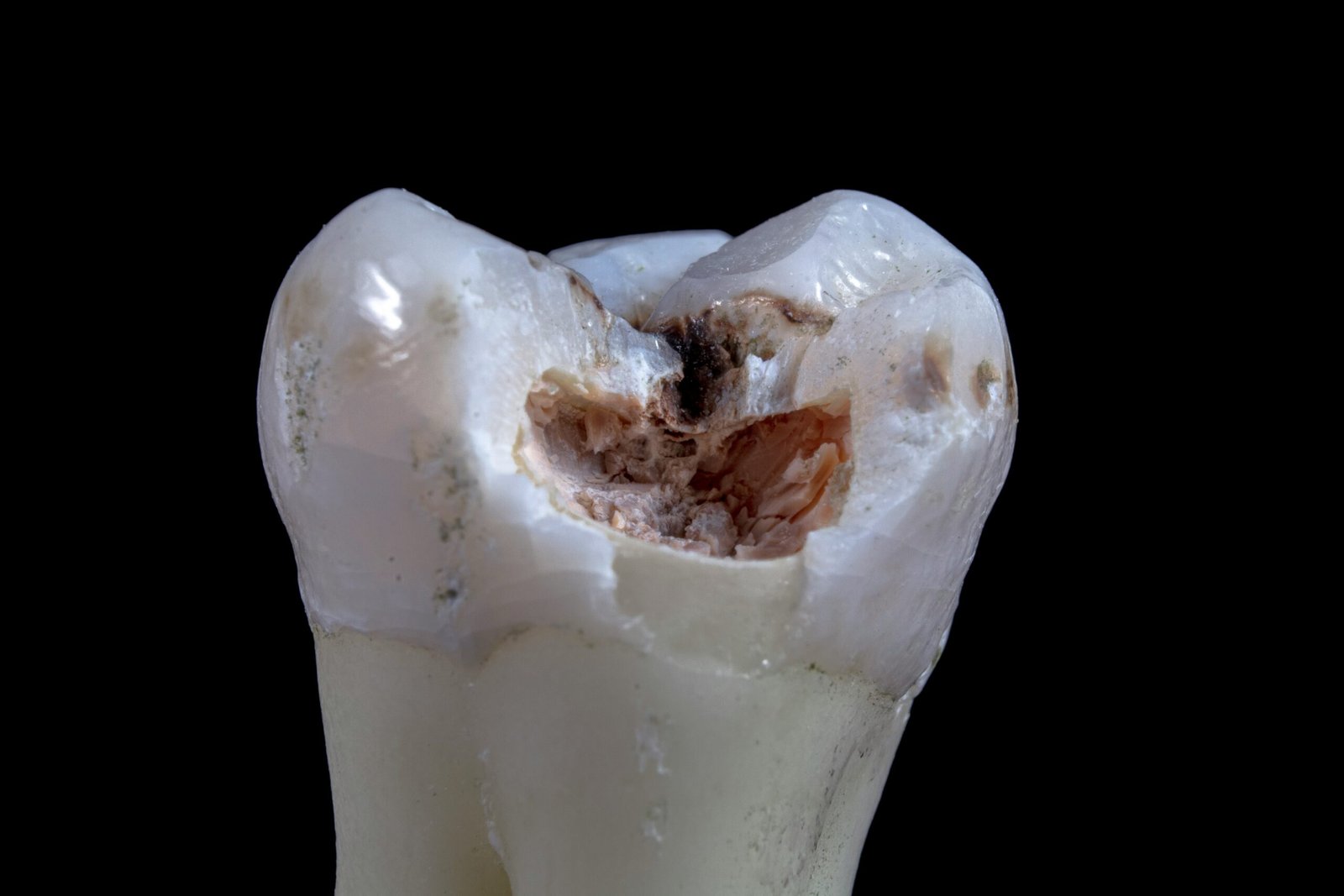
Photo by Ozkan Guner on Unsplash
Permanent tooth implants represent a reliable dental standard for replacing missing teeth and restoring long-term oral function. Understanding the details of tooth implant procedures allows patients to make informed decisions about their dental health. This comprehensive guide details the medical mechanics, surgical steps, benefits, costs, and essential care routines involved.
The Structural Anatomy and Osseointegration Mechanics of Dental Implants
Permanent tooth implants rely on direct bone fusion rather than surface suction to anchor artificial teeth securely inside the jaw.
Unlike traditional dentures that rest on top of the gums, dental implants serve as artificial roots. Dental surgeons typically craft these posts from biocompatible titanium or durable zirconia. Once placed into the jawbone, dental implants undergo a natural biological process known as osseointegration. During osseointegration, living bone cells attach and grow around the implant surface, creating a rock-solid anchor that prevents shifting and provides the biting strength of natural teeth.
Navigating the Clinical Stages From 3D Imaging to Final Prosthesis
The modern dental implant procedure follows a carefully structured clinical timeline starting with advanced digital diagnostics and ending with permanent restoration.
Modern dental clinics rely on 3D cone-beam computed tomography (CBCT) imaging to map out the exact density and contours of a patient’s jawbone before any incisions take place. During the surgical phase, a periodontist or oral surgeon places the implant post into the jawbone under local anesthesia or sedation. Following placement, patients enter a healing window that lasts anywhere from three to six months while osseointegration solidifies the fixture. Once the jawbone has fused with the post, an abutment is connected to the top of the implant, which acts as a connector piece for the final custom-milled crown.
Physiological Preservation and Advantages Over Traditional Bridges
Permanent tooth implants offer significant functional and physiological advantages that extend far beyond simple cosmetic improvements.
The foremost benefit of dental implants is the preservation of jawbone density. When a tooth is lost, the surrounding jawbone begins to resorb or shrink due to a lack of stimulation from chewing forces. Because implants fuse directly to the bone, they mimic natural roots and transmit biting forces to halt bone loss. Furthermore, single-tooth implants spare adjacent healthy teeth from being filed down to anchor traditional dental bridges, protecting your overall dental architecture. Patients also enjoy unmatched chewing stability and confidence without the slipping or clicking associated with removable dentures.
Evaluating Health Criteria, Bone Volume, and Surgical Candidacy
Assessing candidacy for permanent tooth implants requires evaluating overall health, gum condition, and available jawbone volume.
Most adults in good general health qualify for dental implant surgery, provided they do not have active periodontal disease. However, certain medical conditions can complicate healing and osseointegration. Uncontrolled diabetes, heavy cigarette smoking, and autoimmune disorders can increase the risk of implant failure. Additionally, patients who have experienced severe bone loss over time may require supplementary procedures, such as a bone graft or a sinus lift, to build up enough bone support before implant placement can begin.
Financial Variables and Long-Term Value Assessment
Financial investment for dental implants varies significantly based on individual treatment complexity, material choices, and required preparatory procedures.
The total cost of tooth implants is rarely a flat fee because it depends heavily on whether a patient needs extractions, bone grafting, or specialized full-arch solutions like All-on-4. Titanium posts are standard, while zirconia offers a metal-free aesthetic alternative for patients with thin gum tissues. While upfront costs exceed those of standard dentures or bridges, the extraordinary durability of implants makes them a cost-effective long-term solution that rarely requires replacement.
Daily Hygiene Protocols and Professional Maintenance Regimens
Proper daily hygiene and regular professional dental check-ups are vital to protect the longevity of your dental implants.
Although artificial crown materials cannot decay, the surrounding gum tissue and bone remain vulnerable to bacterial inflammation known as peri-implantitis. Patients must maintain a strict daily routine of brushing twice a day and flossing meticulously around the implant posts using specialized floss or interdental brushes. Routine dental visits allow professionals to monitor gum health, check the stability of the crown, and remove stubborn plaque buildup that at-home brushing might miss.
For individuals researching advanced tooth replacement options, exploring related clinical insights and advanced tooth replacement options can help clarify modern treatment paths.
Frequently Asked Questions
Are dental implant procedures painful?
Surgeons perform implant placement under local anesthesia or sedation, ensuring patients feel little to no pain during the actual operation. Mild soreness and swelling are normal during the recovery phase, but these symptoms are easily managed with prescribed or over-the-counter pain medications.
How long do permanent tooth implants last?
With proper daily care and regular professional dental cleanings, the titanium or zirconia implant post can last a lifetime. The visible crown attached on top may experience normal wear over the years and typically requires replacement after fifteen to twenty years.
What is the success rate of dental implants?
Dental implants boast a high success rate, generally ranging between ninety-five and ninety-eight percent depending on the patient’s overall health and adherence to oral hygiene.
Can anyone get an implant immediately after a tooth extraction?
Some patients qualify for immediate implant placement right after an extraction if there is sufficient bone density and no active infection present. In other cases, the socket must heal for a few weeks or months before the surgeon inserts the post.
Do dental implants look artificial?
Dental crowns attached to implants are custom-colored, shaped, and matched to blend seamlessly with your surrounding natural teeth. Once fully integrated, they look, feel, and function entirely like real teeth.
What happens if there is not enough jawbone for an implant?
If a patient lacks adequate jawbone volume, a surgeon can perform a bone grafting procedure to rebuild the area. This adds sufficient structural support over several months of healing to securely anchor the implant post.
Disclaimer: Medical guidelines and surgical techniques evolve over time. Readers should consult certified dental specialists and oral surgeons to receive a personalized evaluation and verify final treatment details before undergoing any dental procedures.


[…] monthly payment plans. For individuals exploring permanent restorative solutions, our guide on permanent tooth replacement solutions breaks down additional clinical details and long-term planning […]