

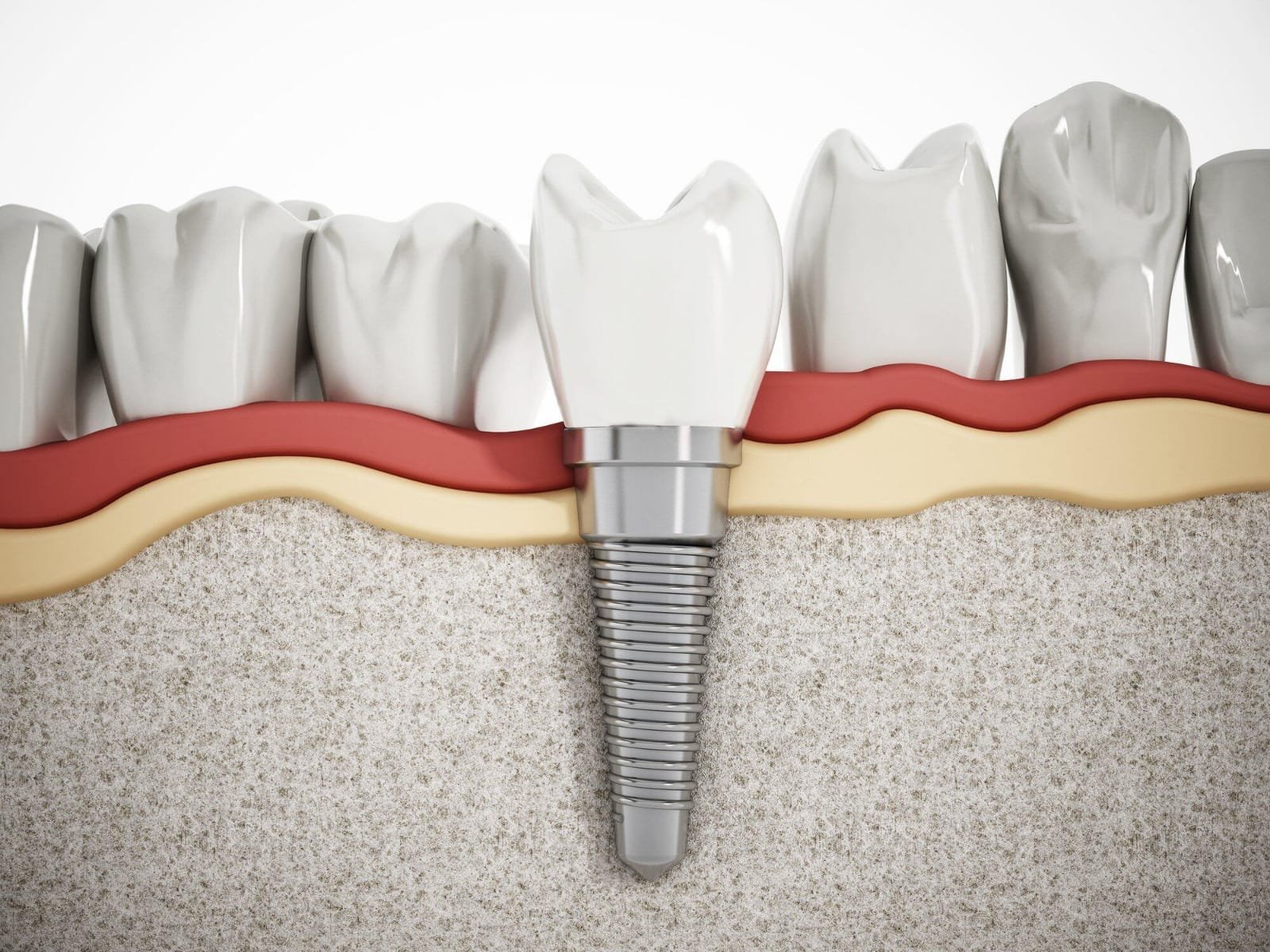
Full mouth dental implants have gained widespread popularity for restoring smiles and dramatically improving oral health. Unlike traditional dentures, which often slip and cause sore spots on the gums, full mouth dental implants offer a secure, permanent, and natural-looking solution. They anchor directly into the jawbone to provide stability that resembles natural teeth.
Are you thinking about this comprehensive dental treatment? Read on to understand what the procedure involves, the clinical benefits, the financial investment, and what to expect during recovery.
Defining Full-Arch Oral Restoration Versus Traditional Dentures
Full mouth dental implants replace every missing tooth in an upper or lower jaw using a fixed prosthetic arch supported directly by titanium or zirconia posts.
Traditional dentures rest entirely on the gum tissue, relying on suction or messy adhesive pastes to stay in position. Over time, that constant gum pressure leads to progressive bone shrinkage in the jaw. Full mouth dental implants solve this issue by anchoring securely into the living bone tissue itself. This direct osseointegration halts bone resorption and preserves facial contours.
Leveraging Computer-Guided Surgery and 3D Diagnostics
Modern dental clinics utilize advanced 3D cone-beam computed tomography and digital smile design software to plan precise implant placement before surgery begins.
During your diagnostic phase, your dentist or oral surgeon maps out nerve pathways, sinus cavities, and exact bone density measurements. Computer-guided surgical templates translate this digital data into real-world accuracy during the actual operation. This clinical precision shortens chair time, reduces postoperative swelling, and ensures your final prosthesis fits with exact alignment.
Navigating the Chronological Treatment Workflow
The journey toward a permanent smile follows a structured clinical sequence from your initial examination through final prosthesis placement.
Your treatment begins with a comprehensive consultation where your dental team evaluates your oral health and takes detailed digital scans. Next comes the surgical appointment itself, during which local anesthesia or sedation keeps you comfortable while the implant posts are inserted into the jawbone. After placement, a healing period spanning several months allows the bone to fuse tightly with the titanium posts. Finally, your custom-crafted permanent bridge is securely attached, completing your restoration.
Comparing Immediate-Load Teeth in a Day With Standard Healing
Immediate-load protocols allow qualified patients to receive a functional temporary arch on the exact same day as their implant surgery.
Often marketed as Teeth in a Day or All-on-4 procedures, this approach eliminates the need to wear removable temporary dentures while your jaw heals. However, immediate loading requires sufficient initial bone stability. If your jawbone density is marginal or requires preparatory bone grafting, your dental specialist will recommend a standard delayed-loading timeline to protect long-term implant success.
Evaluating Physical Comfort and Functional Advantages
Full-mouth dental implants provide significant advantages over removable dentures across aesthetics, bite force, and daily comfort.
Because the replacement teeth are anchored firmly into the jaw, you can bite into apples, chew steak, and enjoy crunchy snacks without fear of slipping. The physical comfort is equally remarkable because there are no pressure points rubbing against your gums. Furthermore, the aesthetic design mimics natural tooth translucency and gum contours for a seamless smile.
| Feature | Full Mouth Dental Implants | Traditional Dentures |
|---|---|---|
| Stability | Fixed securely into the jawbone (no slipping) | Rests on gums; can shift or loosen over time |
| Jawbone Health | Stimulates bone and prevents bone loss | Does not prevent progressive jawbone shrinkage |
| Chewing Efficiency | Near-natural bite force (eat most foods freely) | Restricted bite force; hard or sticky foods are difficult |
| Maintenance | Brushed and cleaned like natural teeth (plus professional checks) | Requires removal, soaking, and messy adhesive pastes |
| Lifespan | Designed to be a permanent, long-term solution | Requires periodic relining, adjustment, or replacement |
Assessing Bone Density, Health Prerequisites, and Habits
Candidate eligibility depends on having sufficient jawbone density, controlled systemic health, and a commitment to healthy daily habits.
Patients who have experienced severe bone loss can often still qualify by undergoing a preliminary bone grafting procedure. Active periodontal disease or untreated tooth decay must be resolved before surgery. Additionally, smoking restricts blood flow and impairs healing, so your dentist will advise you to quit smoking to ensure your implant posts fuse properly.
Budgeting, Insurance Policies, and Medical Financing
Full-arch oral restoration requires a substantial financial investment, making it essential to understand insurance limitations and monthly payment options.
Most standard dental insurance plans cover preliminary extractions or basic diagnostic exams, but they frequently exclude the cost of surgical implant posts and custom prostheses. To manage these expenses, many patients utilize specialized healthcare financing companies that offer structured monthly payment plans. For individuals exploring permanent restorative solutions, our guide on permanent tooth replacement solutions breaks down additional clinical details and long-term planning considerations.
Frequently Asked Questions
How long do full mouth dental implants last?
With consistent daily hygiene and regular professional dental check-ups, the titanium or zirconia implant posts can last a lifetime, while the attached prosthetic teeth may experience normal wear over many years and eventually require minor servicing or replacement.
Is the surgical procedure painful?
The surgery is performed under local anesthesia or sedation, ensuring you will not feel pain during the procedure, and any mild postoperative discomfort can be managed effectively with prescribed or over-the-counter pain medications.
Can I eat normal foods with dental implants?
Once osseointegration is complete and your final prosthesis is in place, you can comfortably eat nearly all foods without the dietary restrictions associated with traditional removable dentures.
What happens if an implant fails to integrate?
Implant failure is relatively rare, but if the bone fails to fuse properly with a post, your dentist can remove the loose implant, allow the site to heal, and place a new implant once conditions are favorable.
How do I clean underneath my fixed bridge?
Cleaning requires specialized floss threaders, water flossers, and interdental brushes recommended by your dental hygienist to clear plaque and food debris from beneath the fixed arch.
Are there age limits for receiving full mouth dental implants?
There is no upper age limit as long as the patient is healthy enough to undergo minor oral surgery and has adequate healing capacity, though they are generally reserved for adults whose jaws have finished growing.
Disclaimer: This article provides general educational information about full mouth dental implants and should not replace professional medical advice, diagnosis, or treatment. Because individual anatomical and health conditions vary significantly, consult with a qualified dental specialist to evaluate your specific clinical needs before making treatment decisions.


