

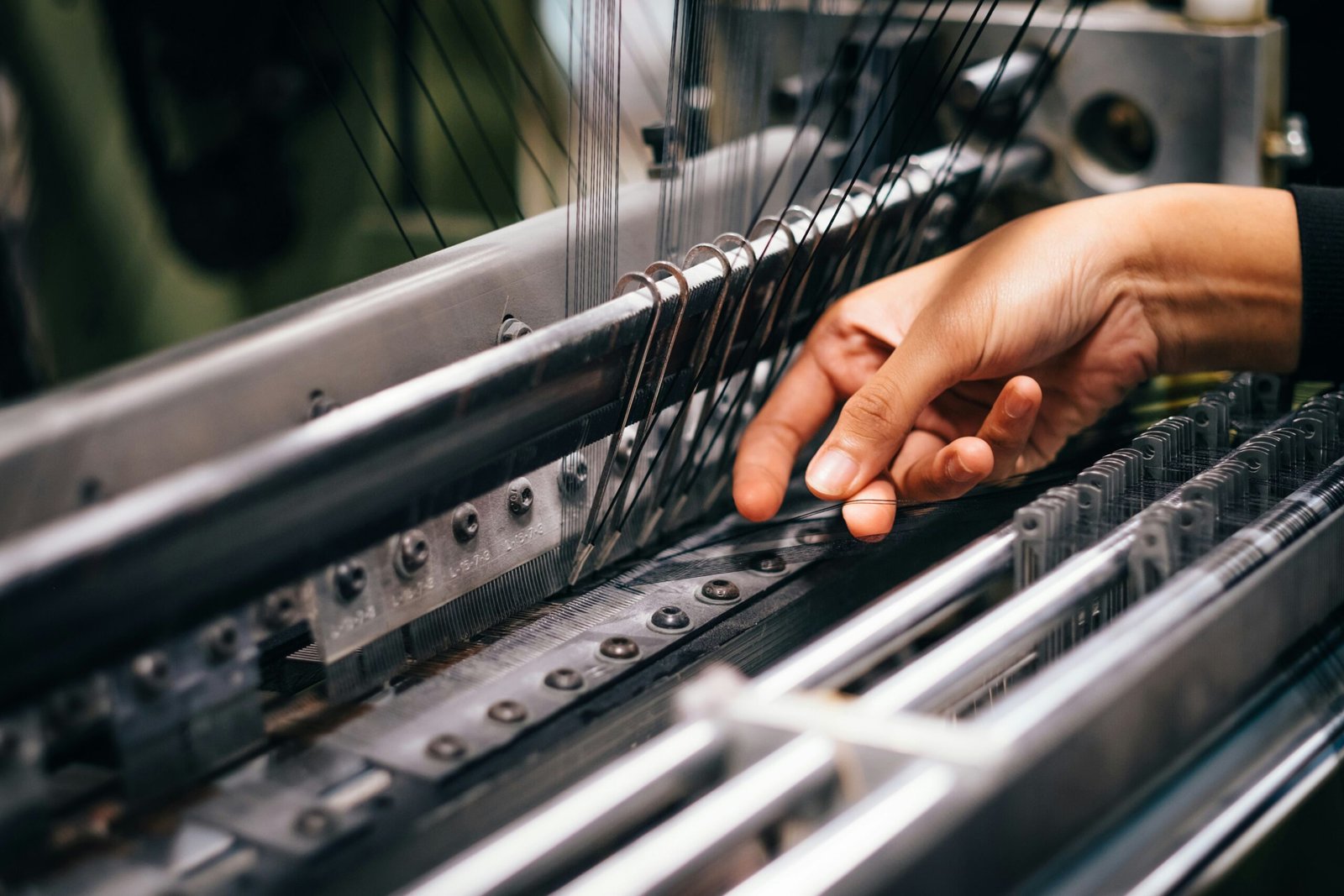
When designing load-bearing harnesses, heavy-duty pet collars, tactical packs, or medical slings, standard off-the-shelf straps rarely provide the exact tensile strength or aesthetic finish you need. Mass-produced webbing is typically limited in width increments, breaking points, and color selections, forcing product designers to compromise on structural integrity. Working directly with a custom webbing fabric manufacturer eliminates these compromises by engineering textile straps tailored to your exact load requirements, environmental exposures, and brand identity.
Establishing a direct relationship with a specialized weaving mill offers profound operational advantages that standard wholesale distributors cannot match. Reviewing these distinct structural benefits reveals why forward-thinking product developers bypass catalog inventory for bespoke textile solutions.
Engineering Exact Tensile Strengths and Specialized Weave Patterns
Custom manufacturing allows you to select precise breaking strength ratings and specialized structural weaves that standard catalog straps cannot provide.
Whether you are designing safety gear that must withstand thousands of pounds of force or lightweight straps for outdoor apparel, a custom weaving mill can adjust yarn denier, pick counts, and loom setups to achieve the exact elongation and rigidity profile required. Standard suppliers only stock generic plain or solid weaves, whereas a dedicated manufacturer can produce complex jacquard patterns, tubular webbing for seamless edges, or heavy-duty herringbone structures that integrate seamlessly with specialized buckles and hardware.
Sourcing Advanced Technical Polymers and Synthetic Fibers
Specialized weaving partners provide direct access to high-performance fibers that withstand extreme environmental conditions and heavy mechanical wear.
Standard webbing is usually restricted to basic polyester or nylon, which may degrade under UV exposure or high friction. By working with a custom mill, you can incorporate advanced technical polymers like high-modulus polyethylene, aramid fibers, or specialized flame-retardant blends. These materials offer superior resistance to chemical splashes, saltwater corrosion, and extreme temperatures, ensuring your finished products perform reliably in rugged industrial or tactical environments.
Tailoring Chemical Finishes, Coatings, and UV Inhibitors
Bespoke production mills apply specialized functional coatings directly during the manufacturing process to protect your straps from premature environmental degradation.
Off-the-shelf webbing rarely features proprietary treatments unless ordered in massive, cost-prohibitive quantities. When you partner directly with a weaver, you can request water-repellent fluorocarbon finishes, antimicrobial treatments for medical textiles, infrared-reflective dyes for military applications, or heavy-duty UV stabilizers that prevent fading and fiber breakdown under continuous sunlight. This level of chemical customization ensures that your straps maintain their structural integrity and visual appeal throughout years of heavy outdoor use.
| Performance Factor | Standard Catalog Webbing | Custom Manufacturer Weaving |
|---|---|---|
| Fiber Selection | Basic commodity nylon or polyester | Technical blends including Kevlar and UHMWPE |
| Color Customization | Fixed inventory colors (black, tan, olive) | Precise Pantone yarn-dyed color matching |
| Protective Coatings | Rarely treated beyond basic wash | Integrated UV inhibitors, flame retardants, and waterproofing |
| Weave Architecture | Standard flat plain or webbing strips | Tubular, jacquard, multi-layer, and reinforced edge weaves |
Eliminating Middlemen to Stabilize Supply Chains and Lead Times
Sourcing textiles through multiple brokers often introduces communication bottlenecks, unpredictable delays, and inflated component costs.
Partnering directly with a weaving mill streamlines your logistics pipeline from raw yarn acquisition to final spool delivery. Direct communication ensures your production schedules remain predictable, minimizing the risk of factory line shutdowns caused by distributor shortages. When your manufacturing volume scales up or sudden design adjustments are necessary, having a direct line to the loom operators allows for faster troubleshooting and more reliable delivery timetables.
Protecting Brand Consistency Through Precise Color Matching
Consistent color fidelity across every production batch is essential for maintaining brand recognition and professional product presentation.
Generic suppliers frequently ship disparate dye lots that result in noticeable shade variations between product runs. A custom webbing fabric manufacturer utilizes advanced yarn-dyeing technology and spectrophotometer color verification to match exact corporate Pantone shades or physical fabric swatches. This rigorous color control ensures that every strap, handle, and accent trim matches perfectly across your entire product catalog, reinforcing a polished and professional brand image.
Leveraging Collaborative R&D for Next-Generation Product Development
Collaborating closely with textile engineers opens the door to ongoing material innovation and continuous product improvement.
Mills invest heavily in research to develop lighter, stronger, and more sustainable yarn options, such as recycled ocean plastics and bio-based synthetics. By partnering with weavers early in your design phase, your engineering team can test physical prototypes, evaluate load tolerances, and refine strap thicknesses before committing to large-scale commercial production. This collaborative technical support gives your brand a distinct competitive advantage in rapidly evolving consumer and industrial markets.
Frequently Asked Questions About Custom Webbing Partnerships
What are typical minimum order quantities for custom webbing production?
Minimum order quantities vary depending on the mill, fiber type, and custom yarn-dyeing requirements, but most manufacturers establish thresholds measured in linear yards or meters per production run.
How long does the prototyping and sampling process take?
Creating initial yarn samples and physical strap prototypes generally takes between two and four weeks, depending on the complexity of the weave architecture and required breaking strength tests.
Can custom manufacturers match existing corporate brand colors?
Yes, professional mills can dye yarns to match specific Pantone color codes or physical reference swatches provided by your design team.
Are specialized treatments like fire retardancy certified?
Reputable manufacturers provide official laboratory test reports and compliance certificates verifying that their woven straps meet required industry fire safety and tensile strength standards.
What raw materials are commonly used in custom webbing production?
Common materials include high-tenacity nylon, polyester, polypropylene, and high-performance technical fibers such as aramid and ultra-high-molecular-weight polyethylene.
How do direct mill partnerships affect overall project costs?
While custom tooling or initial minimum volume requirements may apply, eliminating distributor markups often yields superior per-unit value and lower long-term replacement costs.
For further guidance on optimizing your commercial merchandise specifications, you can check out our recommendations on maximizing your custom printing orders.
Disclaimer: Manufacturing specifications, material availability, and regulatory compliance standards can change over time. Always verify final technical requirements, laboratory test reports, and order terms directly with your chosen production partner before finalizing commercial agreements.


