

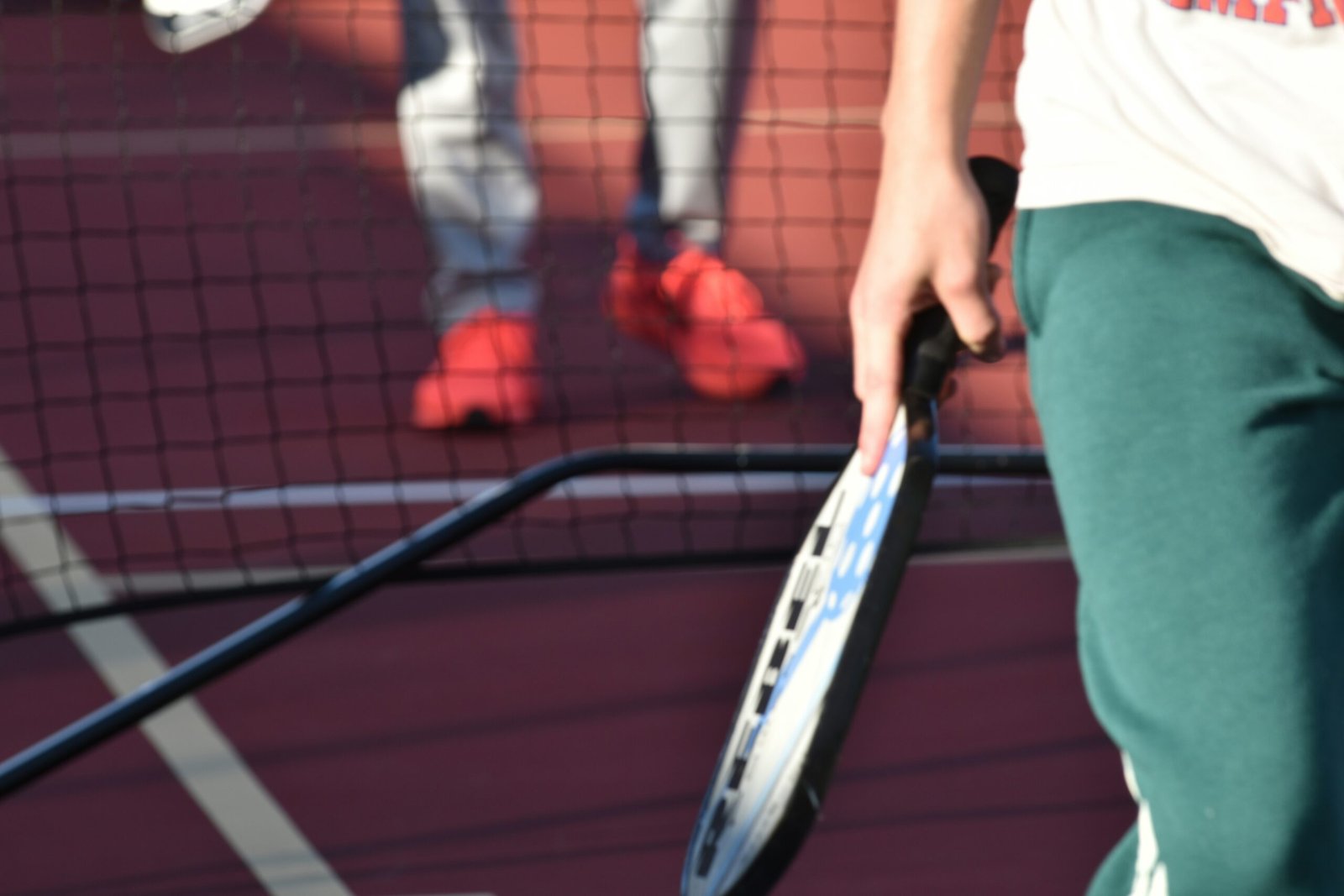
Photo by Lesli Whitecotton on Unsplash
Pickleball blends elements of tennis, badminton, and ping-pong into an accessible, fast-paced sport that has captured the attention of recreational athletes worldwide. Stepping onto a pickleball court for the first time can feel intimidating if you are unfamiliar with the terminology and layout, but the game is designed to welcome beginners of all athletic backgrounds. Getting started with confidence means understanding the essential gear, mastering basic rules, and practicing proper court etiquette before your very first match.
Standard Court Dimensions And Physical Setup
Pickleball is played on a standardized court measuring 20 feet wide by 44 feet long for both singles and doubles matches.
The net is hung at 36 inches high at the sidelines and dips down to 34 inches right at the center of the court. Familiarizing yourself with these physical dimensions helps you anticipate ball bounces and understand where your feet need to be positioned during play. The playing area features specific boundary lines, including the baseline at the back, sidelines on the flanks, and the service boxes that dictate where serves must land. Additionally, the non-volley zone sits right near the net on both sides, governing a crucial part of strategic play that every beginner must respect.
Selecting Paddles, Balls, and Footwear
Investing in the right equipment ensures your early matches are comfortable, physically safe, and enjoyable.
| Equipment Category | Key Features for Beginners | Common Materials |
|---|---|---|
| Paddles | Lightweight design, comfortable ergonomic grip, polymer honeycomb core for control. | Composite, Graphite, Raw Carbon Fiber, Wood |
| Balls | Perforated plastic construction; choose indoor versions with smaller holes or outdoor versions with larger holes. | Hard Plastic |
| Footwear | Dedicated court shoes offering robust lateral ankle support and heavy non-marking traction. | Rubber Outsoles, Synthetic Mesh Uppers |
New players should carefully evaluate paddles, balls, and shoes before heading to the local courts. Modern paddles utilize advanced polymer cores paired with fiberglass or raw carbon fiber faces to absorb shock while offering a larger sweet spot. Beginners should avoid heavy wooden paddles that can strain the wrist and arm over long playing sessions. Furthermore, running shoes or cross-trainers are often discouraged on outdoor pickleball courts because they lack the specific lateral tread needed to prevent ankle rolls during quick side-to-side movements.
Scoring Systems and Kitchen Regulations
Pickleball scoring and boundary regulations require a brief learning curve before they become second nature.
The game can be played as a one-on-one singles match or a two-on-two doubles match, which is the most popular format in local communities. The non-volley zone, frequently called “the kitchen,” is a 7-foot area extending outward from the net on both sides. Players are strictly prohibited from stepping inside this zone to hit a ball out of the air before it bounces. Understanding this rule prevents common faults and keeps rallies fair. Scoring traditionally utilizes a side-out system where only the serving team can earn points, though modern recreational games often experiment with rally scoring where a point is awarded on every single rally.
Mechanics of the Opening Underhand Serve
The serve represents your entry point into every single rally and sets the tone for defensive or offensive positioning.
Players must execute an underhand stroke where the paddle makes contact with the ball below waist level, and the arm must move in an upward arc. Stand squarely behind the baseline with your feet planted roughly shoulder-width apart to maintain balance. Aim your initial serves deep into the opponent’s diagonal service court while avoiding short balls that give rivals an immediate attacking advantage. Regular repetition during practice sessions will build muscle memory, ensuring your serve lands cleanly without faulting.
Tactical Positioning and Court Strategy
Smart court positioning and calculated shot selection often outweigh raw athletic power in recreational pickleball.
Players should strive to move toward the non-volley zone line as a team as quickly as possible after the return of serve, as controlling the net dictates the flow of the point. Learning to execute soft dink shots right into the opponent’s kitchen will neutralize hard-hitting rivals and force errors. Maintaining a low, athletic center of gravity helps you react faster to unexpected drives or quick volleys. If you are preparing for other physical activities or managing active schedules alongside your new hobby, maintaining overall physical wellness is key, much like balancing your time when organizing household chores efficiently alongside your regular sports commitments.
Frequently Asked Questions
What is the most important rule for beginners to remember?
The most crucial rule to remember is the non-volley zone restriction, which dictates that you cannot step inside the kitchen to hit an aerial volley.
How do I know whether to buy an indoor or outdoor pickleball?
Indoor balls feature smaller, more numerous holes designed to minimize wind interference indoors, whereas outdoor balls feature larger holes engineered to cut through outdoor breezes.
Can I use a standard tennis racket to play pickleball?
No, pickleball rules require players to use official paddles made from approved materials like composite, graphite, or wood, rather than stringed tennis rackets.
How many points are required to win a standard pickleball game?
Recreational games are typically played to 11 points, and the winning team must hold a margin of at least 2 points to close out the match.
What kind of shoes should I wear on the court?
You should always wear dedicated court shoes that provide specialized lateral support and heavy traction to prevent slipping during quick directional changes.
Is pickleball difficult to learn for someone with no racket sport background?
Pickleball is widely considered one of the easiest racket sports to learn, allowing complete beginners to enjoy a competitive rally within their very first session.
Disclaimer: Pickleball rules, equipment standards, and tournament guidelines can occasionally change as the sport evolves. New players should consult official governing bodies such as USA Pickleball to verify official regulations and tournament updates before participating in sanctioned events.


