

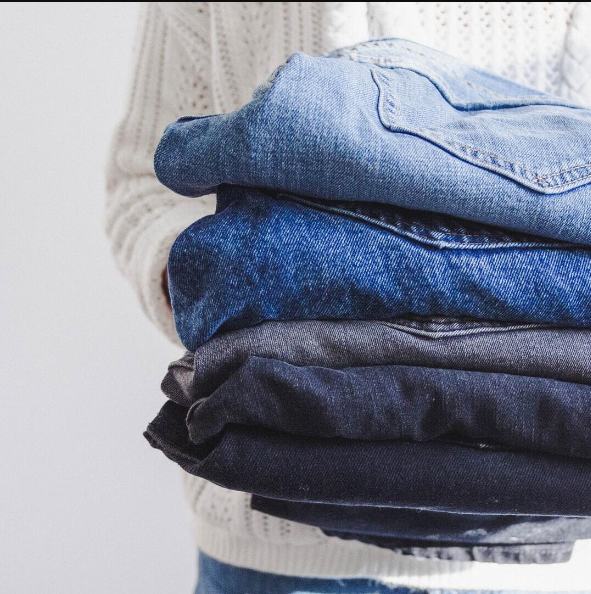
Laundry can feel never-ending, especially with a demanding daily life. Between work, family duties, and personal commitments, handling a massive pile of dirty clothes often causes avoidable stress. However, breaking the cycle does not require spending an entire weekend trapped in the utility room.
Adopting smart routines helps you stay on top of your dirty laundry without letting chores consume your free time. From smart sorting systems to integrated micro-habits, these strategies make washing day feel much more manageable.
Build a Staggered Weekly Washing Rhythm
Creating a consistent weekly schedule prevents dirty laundry from accumulating into an overwhelming mountain by the time the weekend arrives.
Instead of waiting for a massive multi-load marathon on Saturday or Sunday, assign specific fabric categories or single loads to different days of the week. For instance, you might wash athletic wear on Tuesday and towels on Thursday. This steady rhythm distributes the physical effort evenly across your week. It also ensures that your washing machine and dryer are never overworked in a single afternoon, giving you greater control over your household routine. By spreading the physical workload across multiple days, you protect your energy levels and eliminate the dread associated with a towering weekend chore list.
Deploy Multi-Compartment Hamper Stations
Pre-sorting your dirty laundry directly into designated compartments saves precious minutes when wash day finally arrives.
Investing in a multi-bin hamper system eliminates the tedious chore of dumping a massive mixed pile onto the floor and sorting items by hand. Keep separate bags or sections for whites, darks, and delicate fabrics right where you drop your clothes. When a specific compartment fills up, you instantly know you have a full load ready to go straight into the drum. This upfront organization removes friction from the start of the laundry process and protects sensitive textiles from accidental color bleeding. Furthermore, a compartmentalized setup trains everyone in the household to participate in pre-sorting, reducing the sorting burden even further.
Execute Targeted Pre-Treatment and Balanced Drum Loads
Handling stains immediately and loading your washer correctly guarantees that your dirty laundry comes out clean the very first time.
When stubborn spots appear from food, grease, or ink, dab a small amount of stain remover or liquid detergent directly onto the fabric before tossing the garment into the hamper. This quick habit prevents stains from setting permanently into the fibers. Additionally, avoid overloading your machine. Cramming too many items into a single cycle prevents water and detergent from circulating properly, leaving clothes partially dirty and requiring a frustrating rewash. Respecting the manufacturer’s fill capacity ensures optimal agitation and rinsing efficiency for every load.
Synchronize Laundry Cycles With Remote Household Tasks
Multitasking around your wash and dry cycles allows you to handle dirty laundry without dedicating hours of uninterrupted time to the chore.
Instead of sitting idle while the machine runs, start a load while you tackle other household responsibilities like preparing dinner, cleaning the kitchen, or handling remote work emails. Setting a timer on your smartphone ensures you never forget to move wet clothes into the dryer before they develop a musty odor. Transitioning clothes promptly also prevents stubborn wrinkles from setting in, which saves you valuable time that would otherwise be wasted ironing. For related household upkeep strategies, you can explore our guide on how to keep a small bungalow spotless to keep every corner of your living space organized.
Frequently Asked Questions
How often should I wash my dirty laundry on a busy schedule?
The ideal frequency depends on your household size and clothing inventory, but running one small load every two or three days usually prevents pile-ups.
What is the best way to prevent musty smells in damp clothes?
Always transfer wet laundry to the dryer immediately after the wash cycle finishes, and leave the washing machine door open slightly to let the drum dry out.
Should I separate all colors when washing clothes?
Separating true whites from darks is essential to prevent color transfer, though modern cold-water detergents make mixing medium shades safer than before.
How can I speed up drying times for heavy items?
Adding a clean, dry microfiber towel to the dryer during the first twenty minutes can help absorb excess moisture and speed up the drying process.
What should I do if a stain has already dried on a garment?
Soak the stained area in warm water with a gentle pre-treatment solution for at least thirty minutes before washing to help lift the set-in pigment.
Is it better to wash clothes in cold or warm water?
Cold water is ideal for most everyday fabrics because it prevents shrinking and fading while saving energy, whereas warm or hot water works better for sanitizing bedding and towels.
Disclaimer: Laundry product formulations and appliance designs vary. Always check the specific care labels on your garments and appliance instruction manuals to ensure proper maintenance and safety.


[…] your new hobby, maintaining overall physical wellness is key, much like balancing your time when organizing household chores efficiently alongside your regular sports […]