
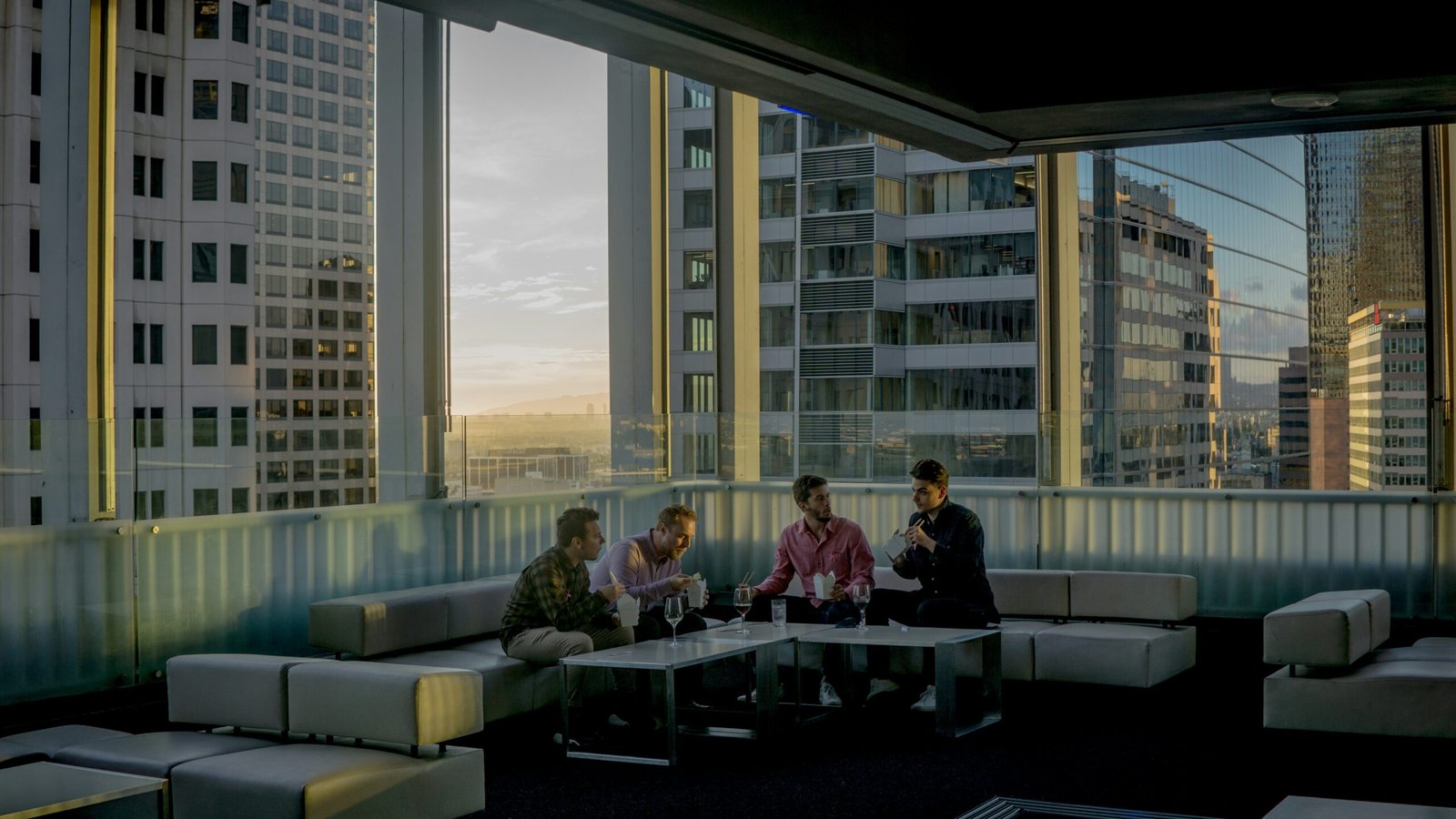
When the workday winds down across major metropolitan centers, the search for a rewarding evening venue begins. Traditional ground-floor taverns and indoor dining rooms offer familiar comforts, yet crowds continue to gravitate toward elevated spaces high above street level. This persistent fascination with vertical hospitality stems from a unique mix of architectural positioning, sensory escape, and shifting social preferences that set elevated venues apart from ordinary establishments.
Understanding the enduring appeal of these elevated destinations requires looking past the basic novelty of high altitudes. Urban planners, hospitality designers, and regular patrons all recognize that height changes how people experience food, drinks, and social interactions. The following sections explore the specific structural, aesthetic, and culinary drivers behind the continued popularity of rooftop bars and restaurants worldwide.
Architectural Sightlines and Cityscape Perspectives
Elevated dining and drinking spots succeed largely because high-angle perspectives transform everyday urban infrastructure into dramatic visual backdrops.
From ground level, city streets often feel confined by traffic, narrow corridors, and dense concrete walls. Lifting a lounge or dining room several stories into the air completely alters that geometry. Patrons gain sweeping sightlines across downtown cores, coastal harbors, and historic riverfronts that remain hidden from sidewalk pedestrians. As afternoon sunlight fades into evening, neon signage and architectural illumination turn ordinary office towers into glowing monuments, creating an immersive atmosphere that standard indoor venues cannot replicate.
This vertical shift also influences architectural layouts, often featuring glass balustrades, tiered seating, and open-air decks designed to maximize peripheral vision. Designers carefully orient dining tables and lounge seating to capture optimal angles of sunsets or landmark monuments. Guests are not just eating a meal in a room; they are visually connected to the sprawling life of the entire city around them.
Atmospheric Transition and Sensory Relief
The sensory environment found above street level provides a welcome psychological buffer from the noise and congestion of city traffic.
Climbing above the street dampens the constant rumble of car engines, sirens, and pedestrian commotion, replacing urban chaos with open air and gentle breezes. This physical separation creates an immediate sense of decompression for visitors finishing a demanding workday or traveling through an unfamiliar city. The change in air circulation and ambient sound allows guests to unwind more thoroughly than they might in a crowded basement pub or a bustling sidewalk cafe.
Furthermore, open-air environments encourage a slower, more conversational pace during social gatherings. Without the heavy acoustic bounce of enclosed indoor walls, group conversations feel more natural and relaxed. Whether hosting an intimate date night or a celebratory milestone with friends, visitors find that the openness of a high-altitude terrace fosters a comfortable, unhurried mood.
Culinary Craft and Elevated Beverage Programs
Modern rooftop operators recognize that sweeping views must be matched by ambitious culinary and mixology programs to secure long-term patronage.
Early iterations of high-altitude hospitality often relied solely on scenery while offering mediocre food and basic drinks. Today’s competitive landscape demands sophisticated cocktail menus featuring house-infused spirits, regional botanicals, and artisanal small plates. Kitchens frequently incorporate locally sourced ingredients and regional flavor profiles to give visitors a distinct sense of place alongside their panoramic view.
For investors and entrepreneurs examining broader commercial opportunities in commercial hubs, managing upscale hospitality venues requires the same rigorous oversight and operational expertise needed when seeking expert property management support for urban real estate holdings.
Logistical Integration Within Urban Real Estate
The physical placement of rooftop venues within multi-use buildings and boutique hotels offers distinct logistical advantages for operators and patrons alike.
Integrating a hospitality space on the top floor of a hotel property creates a seamless experience for overnight guests and local visitors. Patrons can move from street-level valet parking directly into high-speed elevators, bypassing congested public transit corridors. For event planners organizing private celebrations, corporate receptions, or seasonal gatherings, hotel-affiliated rooftops provide shared security, established catering kitchens, and professional staff under one unified roof.
This structural integration also helps venue operators manage year-round weather challenges more effectively. Many properties incorporate retractable glass roofs, climate-controlled indoor lounges adjacent to outdoor decks, and heavy-duty radiant heating systems. These design features allow businesses to maintain consistent operations through sudden rainstorms or cooler winter months without sacrificing the signature views that drew guests upward in the first place.
Conclusion
Rooftop bars and restaurants maintain their strong position in urban hospitality by combining dramatic architectural sightlines with sensory relief and refined culinary offerings. By lifting social spaces above street-level congestion, these venues deliver an engaging environment that traditional ground-floor locations struggle to match. As urban design continues to evolve, elevated spaces will remain central to how people gather, dine, and experience city nightlife.
Disclaimer: Operating hours, seasonal menus, and reservation policies for rooftop venues vary widely by location and management. Readers should verify final details through official establishment channels before planning a visit.
Frequently Asked Questions
Why do rooftop venues remain so popular compared to ground-floor spots?
They offer panoramic cityscape views, fresh open-air environments, and a psychological escape from street-level congestion that standard indoor venues cannot replicate.
Do rooftop bars and restaurants require advance bookings?
Many popular venues require reservations weeks in advance, particularly for weekend sunset slots and peak social hours, due to limited seating capacity.
How do rooftop establishments handle cold or rainy weather?
Operators frequently install retractable glass roofs, heavy-duty outdoor heaters, windbreaks, and adjacent indoor seating areas to ensure year-round functionality.
Is there a strict dress code for visiting rooftop bars?
Upscale establishments generally enforce smart-casual or elegant attire policies, discouraging beachwear, athletic clothing, and overly casual footwear.
Can private parties and corporate events be hosted on rooftops?
Numerous elevated venues offer partial space reservations or full private buyouts for weddings, birthday celebrations, and business networking events.
What features distinguish modern rooftop menus from older offerings?
Contemporary menus emphasize craft cocktail programs with house-made infusions and regional culinary dishes that reflect local food culture rather than standard pub fare.

Daniel J. Morgan is the founder of Invidiata Magazine, a premier publication showcasing luxury living, arts, and culture. With a passion for excellence, Daniel has established the magazine as a beacon of sophistication and refinement, captivating discerning audiences worldwide.


