

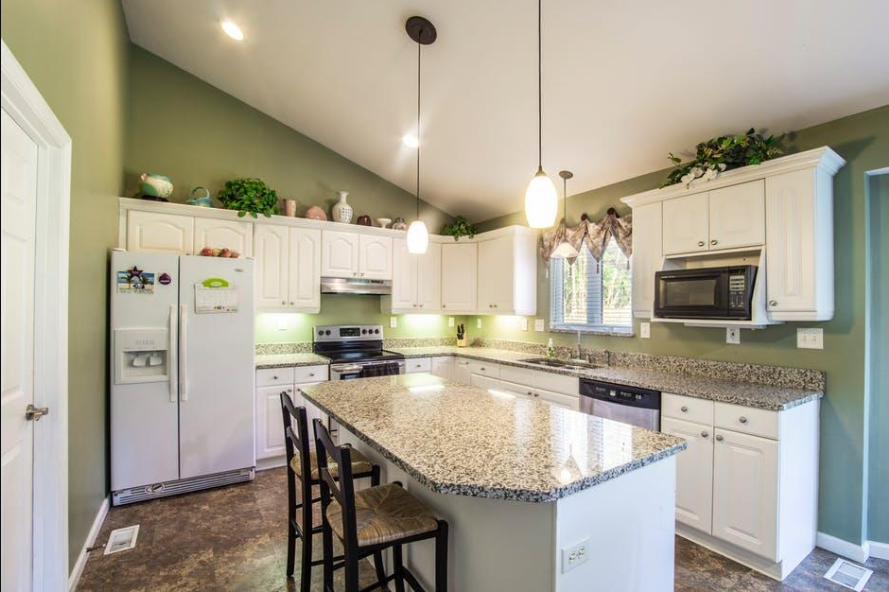
When cooking feels stressful, the root cause is often environmental chaos rather than a lack of culinary skill. A simple kitchen design addresses this physical and visual fatigue by turning a cluttered cooking zone into an organized, breathable workspace.
Adopting minimalist principles goes far beyond choosing a trendy paint color or clearing off a single counter. It requires a complete rethink of how everyday tools are stored, how appliances are integrated, and how the overall layout supports smooth daily routines. This guide breaks down the concrete steps needed to achieve an efficient, serene kitchen that remains practical for real-life cooking.
Let’s examine how precise layout choices and clever storage mechanisms build the foundation for a truly minimalist cooking space.
Optimizing Spatial Layout and Geometric Lines
Streamlined layouts and sharp geometric lines maximize spatial efficiency by removing visual obstacles in heavy-use zones.
Traditional kitchens often rely on decorative moldings and intricate corbels that break up the room’s flow. A minimalist approach replaces these visual speed bumps with flat-panel cabinetry and continuous floor-to-ceiling runs. This seamless geometry creates an uninterrupted horizon line that makes compact rooms feel noticeably larger and allows cooks to move fluidly between the refrigerator, prep sink, and cooking range.
Establishing a Restrained, Natural Color Foundation
Neutral color palettes establish a calm, cohesive backdrop that lets natural light bounce freely around the kitchen.
Leaning on soft architectural whites, warm stone greys, and muted timber tones prevents the eye from getting overloaded with competing hues. Instead of relying on bright primary colors for visual interest, minimalist spaces incorporate subtle tactile variations. Brushed nickel hardware, matte porcelain tile, and raw oak grain introduce organic depth while keeping the overall color story quiet and restful.
Concealing Countertop Appliance Clutter
Dedicated appliance garages and deep pull-out drawers keep modern countertop gadgets completely hidden when not in active use.
The number one enemy of a clean kitchen is the collection of permanent residents on the counter: blenders, air fryers, coffee makers, and toasters. Modern design solves this by incorporating specialized pantry cabinets equipped with internal power outlets. These enclosed drop zones let homeowners plug in and operate appliances inside the cabinet or quickly slide them out of sight, leaving prep surfaces completely bare.
Blending Technology With Panel-Ready Surfaces
Integrated panel-ready appliances and flush-mounted cooktops maintain an uninterrupted aesthetic without sacrificing modern culinary convenience.
Exposed stainless steel refrigerator doors and digital appliance screens can easily disrupt a quiet, unified design scheme. By applying custom cabinet panels directly onto dishwashers and refrigerators, these metal boxes visually vanish into the surrounding walls. Pairing flush induction cooktops with undermount sinks further eliminates raised lips and crevices, creating a smooth, monolithic work surface.
Investing in Resilient, Low-Friction Materials
Durable quartz and natural stone surfaces stand up to heavy daily cooking routines while requiring minimal upkeep over the years.
Selecting low-porosity materials means less time scrubbing stains and more time enjoying the space. High-traffic zones demand work surfaces that resist heat, scratching, and moisture without constant chemical treatments. Homeowners undertaking a complete spatial overhaul often draw inspiration from professional layout guides, and you can explore broader architectural improvements by reviewing creative concepts detailed in our guide on achieving a complete kitchen glow-up.
Curating Intentional, Practical Decor
Restricting decorative items to a few useful everyday objects prevents the room from feeling sterile while avoiding visual clutter.
True minimalism rejects knick-knacks that serve no functional purpose in the kitchen. Instead of crowded decorative shelves, homeowners display a single oversized cutting board leaning against the backsplash or a heavy ceramic bowl filled with fresh produce. This deliberate restraint keeps the room feeling warm, lived-in, and entirely purposeful.
| Design Feature | Conventional Approach | Minimalist Approach |
|---|---|---|
| Small Appliances | Permanent fixtures spread across all counters | Stored in dedicated appliance garages and deep drawers |
| Cabinetry Style | Raised panels with detailed decorative molding | Sleek flat-panel doors with touch-latch hardware |
| Appliance Integration | Exposed stainless steel and digital display faces | Panel-ready matching cabinetry and flush surfaces |
Refining Your Culinary Space
Embracing a minimalist kitchen design fundamentally changes your cooking experience by replacing daily frustration with seamless efficiency.
Focusing on clean architectural lines, hidden appliance storage, and enduring natural materials ensures your home remains functional for decades. Thoughtful planning turns the kitchen into a peaceful hub that supports your lifestyle rather than demanding endless maintenance. Simplifying this vital room proves that having fewer visible items ultimately yields a far more enjoyable cooking environment.
Frequently Asked Questions
What is the primary goal of a minimalist kitchen design?
The primary goal is eliminating visual and physical clutter to maximize everyday functional efficiency during meal preparation.
How do I manage small appliances without crowding countertops?
You can store everyday gadgets inside dedicated appliance garages, deep pantry roll-outs, or lower cabinet drawers fitted with power strips.
Are neutral color palettes mandatory for simple kitchen layouts?
Neutral tones are favored for their calming effect, but minimalism can also succeed using deep monochromatic shades or muted earth colors.
Which countertop materials hold up best under minimalist guidelines?
Engineered quartz and heavy natural stone are ideal because they provide clean edge profiles and resist daily wear and tear.
Can small kitchens successfully adopt minimalist principles?
Compact spaces benefit greatly from minimalism by utilizing vertical storage and keeping all prep surfaces entirely clear of non-essential items.
Does building a minimalist kitchen require a large budget?
Costs vary based on custom cabinetry needs, but minimalism often saves money over time by reducing the urge to buy unnecessary decorative items.
Disclaimer: Kitchen design standards, material availability, and residential building codes vary depending on regional regulations and individual home layouts. Readers should verify all specifications with licensed professionals prior to starting major renovation projects.


