

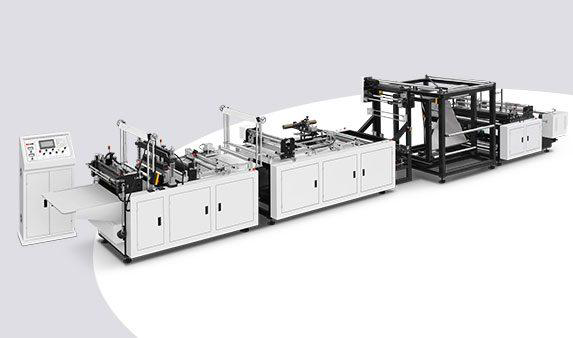
Within the modern sphere of industrial production, the overall reliability of packaging machinery depends heavily on the foundational standards applied during its creation. Superior manufacturing serves as the critical base from which industrial facilities develop robust packaging solutions and ensure long-term operational performance. This article examines the core aspects of production quality in the fabrication of essential machines, ranging from high-speed bag makers to specialized processing systems.
Why Manufacturing Quality Dictates Equipment Reliability
Robust manufacturing practices are essential to ensure that packaging equipment can withstand intense operating environments without unexpected failures.
In high-output industrial settings, equipment strength and mechanical integrity are vital factors that directly dictate daily productivity. Any hidden flaw or shortcut during the fabrication phase can cause severe operational issues, including sudden equipment breakdowns, extended facility downtime, and costly component replacements. Modern commercial operations—such as large-scale retailing, food processing, and global logistics—demand absolute consistency from their machinery.
This need for dependability is especially critical for automated bag making systems that must maintain high output rates while preserving exact dimensional tolerances. When production facilities invest sufficient time and engineering effort into every single mechanical assembly, they dramatically minimize the risk of mid-run faults and extend the total operational lifespan of the machinery.
Core Pillars of Superior Packaging Equipment Production
Superior packaging equipment production rests upon rigorous engineering standards, advanced inspection methods, and careful raw material selection that govern every phase from initial blueprinting to the final assembly line.
Precision engineering represents a major pillar of this process, requiring exact tolerances for internal components like drive gears, servo motors, and cutting heads. Modern facilities increasingly rely on automated optical inspection and digital tolerance tracking to verify that every machined part meets microscopic specifications before it reaches the assembly floor. Material selection serves as the second vital factor determining the overall longevity and durability of heavy-duty machinery. Industrial assembly lines subject components to constant mechanical friction, vibration, and chemical exposure, requiring high-grade structural steels and wear-resistant alloys.
Meeting the Demands of Advanced Bag Making and Non-Woven Machinery
Advanced bag production machinery requires specialized manufacturing techniques to handle modern eco-friendly materials and thin sustainable films effectively.
This microscopic accuracy is especially critical when producing intricate non-woven bag making machines, where minor misalignments in cutting or sealing mechanisms can ruin entire production batches. As consumer goods companies shift toward recyclable and biodegradable substrates, machinery must adapt dynamically to changing material thicknesses without losing sealing integrity or production speed. Precision cutting modules and thermal sealing bars must be calibrated to prevent tearing or weak seams when processing delicate eco-conscious polymers.
Regulatory Compliance, Safety, and Hygiene Standards
Strict regulatory compliance is mandatory when designing packaging machinery for sensitive sectors like food processing and pharmaceutical distribution.
Food packaging systems must adhere to strict sanitation protocols to prevent bacterial contamination, dust accumulation, or mechanical lubricant leaks near edible goods. Consequently, manufacturers utilize food-grade stainless steel and seamless welding techniques that allow for fast, thorough chemical washdowns. Environmental compliance is another growing priority, requiring machinery builders to design systems that minimize energy consumption and reduce production waste. Non-woven bag production lines, for instance, must align with global eco-standards regarding waste recycling and material efficiency, protecting facility operators from severe regulatory fines while safeguarding brand reputation.
Maximizing Return on Investment Through Durable Design
Investing in ruggedly engineered industrial machinery yields substantial long-term financial benefits by eliminating recurring repair bills and minimizing scheduled maintenance downtime.
While lower-cost machinery may appear attractive during the initial procurement phase, frequent mechanical breakdowns quickly erode those short-term savings. Durable equipment ensures steady throughput, lower defect rates, and a significantly higher return on investment over the asset lifecycle. For more insights on maintaining mechanical reliability across industrial assets, read our guide on the importance of quality parts in preserving your equipment’s longevity to understand how component selection drives sustained performance.
Frequently Asked Questions
What makes manufacturing quality crucial for packaging machinery?
Manufacturing quality ensures that machines endure heavy industrial workloads, resist premature wear, and prevent expensive unexpected factory downtime.
How does precision engineering affect bag making machines?
Precision engineering guarantees exact cutting, folding, and thermal sealing, resulting in uniform bag output and minimal material wastage.
Why is material selection important in packaging equipment production?
The right materials, such as heavy-duty structural steel and corrosion-resistant alloys, allow machinery to handle constant friction and diverse packaging substrates reliably.
What role does quality control play during assembly?
Quality control checks inspect individual parts and complete assemblies under simulated stress tests to catch hidden flaws before shipping.
How do regulatory standards influence equipment design?
Regulations force builders to incorporate food-grade materials, easy-washdown surfaces, and eco-friendly operational features to satisfy legal safety protocols.
Does durable machinery improve return on investment?
Yes, durable machinery lowers ongoing repair costs, reduces operational interruptions, and provides dependable high-volume output over many years.
Disclaimer: Industrial manufacturing standards and equipment specifications can evolve over time based on new engineering technologies and regulatory updates. Readers and facility operators should verify final technical details directly with certified manufacturers before making purchasing decisions.


