
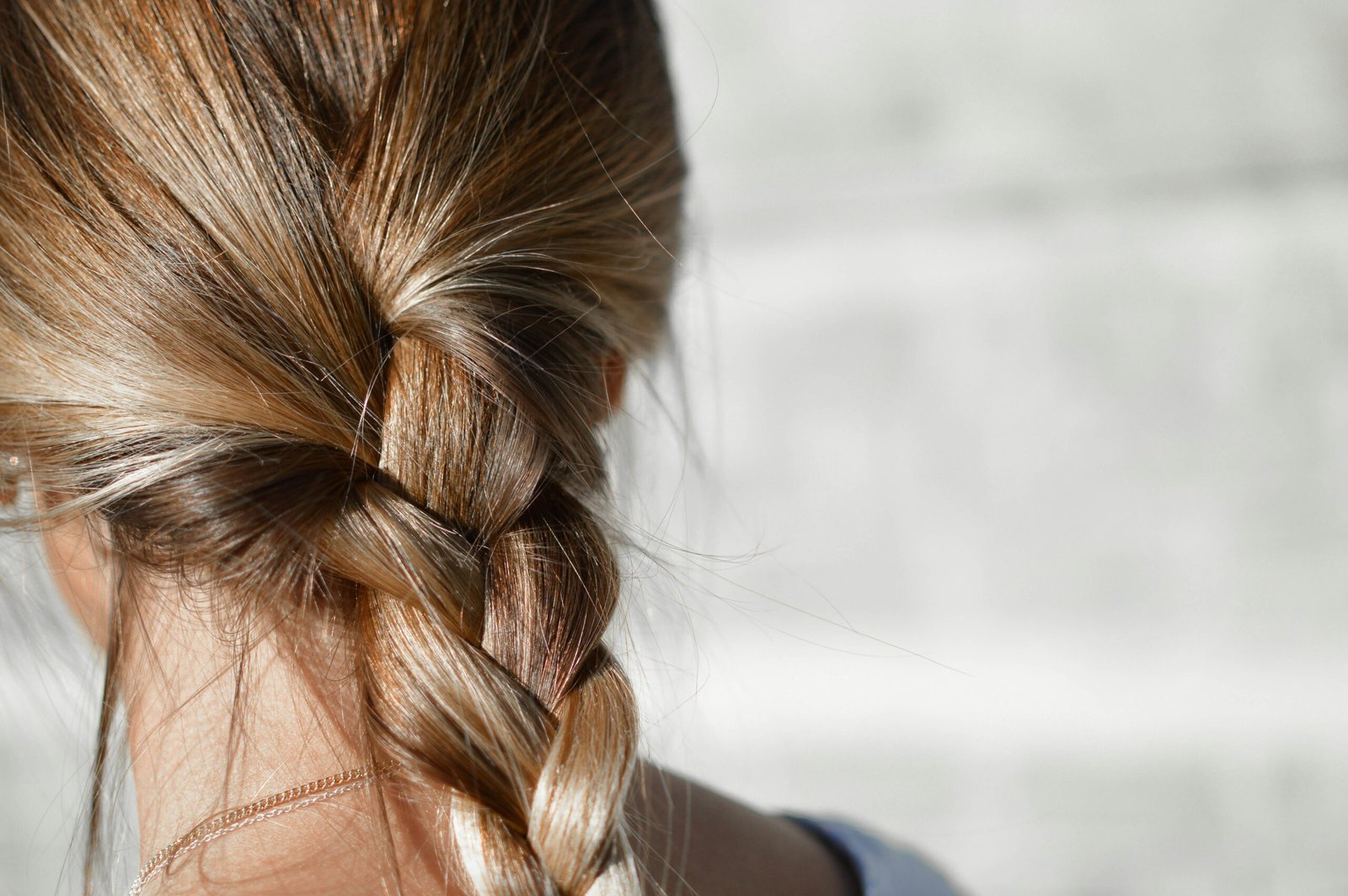
Photo by Tamara Bellis on Unsplash
Tired of stubborn, frizzy strands that refuse to sit flat when all you want is a polished, glossy style? People who battle daily frizz know how quickly uncooperative hair can disrupt an entire look. Finding the right haircare products for smooth hair is the most reliable way to tame flyaways and achieve a sleek finish. By incorporating targeted formulations like moisture-locking shampoos and lightweight smoothing serums into your daily regimen, you can completely transform your hair texture and overall appearance.
Why Environmental Humidity Makes Hair Strands Swell and Lose Shine
When atmospheric moisture meets thirsty, unconditioned strands, the outer cuticle layer of the hair shaft lifts and swells, creating an unruly texture that completely alters your silhouette.
This relentless cycle happens because dry hair acts like a sponge, rapidly pulling water vapor straight out of the surrounding air. As individual strands expand in different directions, your hairstyle loses its defined shape and smooth outline. Frequent thermal styling strips away natural lipid barriers, leaving hair porous and even more vulnerable to atmospheric fluctuations. Understanding this underlying moisture imbalance changes how you approach daily grooming, shifting the focus from temporary fixes to true structural defense.
Starting in the Shower with Targeted Hydration and Cleansing
Effective smoothing routines begin right inside the shower through gentle cleansing choices that deposit hydration rather than stripping away natural oils.
Harsh sulfate-heavy cleansers leave the scalp and roots depleted, which triggers excess friction and subsequent tangling along the mid-lengths. Selecting emollient-rich washing formulas helps replenish lost moisture and prepares the hair surface for styling products. Following up with a nourishing conditioner closes the cuticle gap and deposits essential lipids. Finishing your rinse with cool water provides an extra layer of cuticle flattening, locking in hydration before you even step out of the bathroom.
Selecting Botanical Oils and Active Silicones for Your Specific Hair Texture
Low-porosity and high-porosity hair react entirely differently to botanical oils and heavy silicones, making targeted ingredient selection crucial for a truly sleek finish.
Low-porosity strands resist moisture absorption and easily get weighed down by thick butters, whereas high-porosity hair drinks up hydration just as quickly as it loses it. Recognizing what customers look for when buying beauty products helps consumers navigate these complex formulation differences with confidence. The comparison table below highlights which smoothing active works best for specific texture profiles:
| Active Ingredient | Mechanism of Action | Recommended Hair Type |
|---|---|---|
| Botanical Argan and Jojoba Oils | Penetrates the cuticle to soften coarse textures | Thick, curly, or coarse hair |
| Dimethicone Silicones | Forms an immediate waterproof humidity shield | Frizz-prone or wavy hair |
| Hydrolyzed Keratin Proteins | Rebuilds internal bonds and strengthens weak spots | Chemically treated or heat-damaged hair |
| Avocado and Shea Extracts | Delivers deep lipid replenishment without heavy greasiness | Dry, dehydrated hair strands |
Controlling Blow-Dryer Heat Settings and Airflow Direction
Heat styling tools can either lock in a polished finish or destroy your hair structure depending on temperature control and nozzle direction.
Applying a dedicated thermal protectant spray creates an essential buffer that prevents moisture from boiling away inside the hair shaft. When using a blow dryer, always direct the airflow downward from roots to ends so the cuticle scales lie flat, instantly maximizing gloss. Maintaining moderate heat settings instead of maximum temperature prevents long-term protein degradation and keeps your finished look sleek all day long.
Maintaining Daily Consistency for Lasting Frizz Control
Consistency is the deciding factor between a temporary blowout that reverts by afternoon and a long-term transformation in daily hair manageability.
Randomly applying smoothing oils once a week will not alter chronic frizz issues; true sleekness requires an intentional, predictable routine. Incorporating weekly deep-conditioning treatments and switching to friction-reducing satin pillowcases preserves your style overnight. Over time, your hair adapts to this consistent care regimen, becoming significantly more resilient against challenging seasonal weather.
Frequently Asked Questions
Why does my hair get frizzy even after I use conditioner?
Frizz can persist if your conditioner lacks sufficient moisture-locking agents or if your hair has high porosity, which causes it to lose hydration rapidly. Using a leave-in treatment or finishing serum helps seal the cuticle after rinsing.
Are silicone-based products bad for smooth hair?
Silicones are not inherently bad; they provide an effective waterproof barrier that instantly blocks humidity and creates a sleek shine. However, they can build up over time, so using a clarifying shampoo periodically is recommended.
How often should I use hair oils for smoothness?
You can apply a few drops of lightweight oil like argan or jojoba to dry or damp ends daily. Be careful to apply oils primarily from the mid-lengths down to prevent your roots from looking greasy.
Does water temperature affect hair frizz?
Washing your hair with very hot water opens up the cuticles, which can lead to moisture loss and increased frizz. Rinsing with cool water helps close the cuticle for a smoother, shinier finish.
Can the weather completely undo my smoothing routine?
High humidity and sudden rainstorms can cause dry hair to absorb moisture from the air and swell. Using anti-humidity finishing sprays and protective styling products helps minimize weather-related frizz.
How do I know my hair porosity level?
You can test porosity by placing a clean strand of hair in a bowl of water; if it sinks quickly, your hair has high porosity, while floating strands indicate low porosity. Knowing this helps you choose between heavy oils and lightweight hydrators.
Disclaimer: Haircare results can vary significantly depending on individual hair type, texture, environmental conditions, and personal health factors. Readers should consult with a professional stylist or review official product guidelines to determine the most suitable routine for their specific needs.

Daniel J. Morgan is the founder of Invidiata Magazine, a premier publication showcasing luxury living, arts, and culture. With a passion for excellence, Daniel has established the magazine as a beacon of sophistication and refinement, captivating discerning audiences worldwide.


