
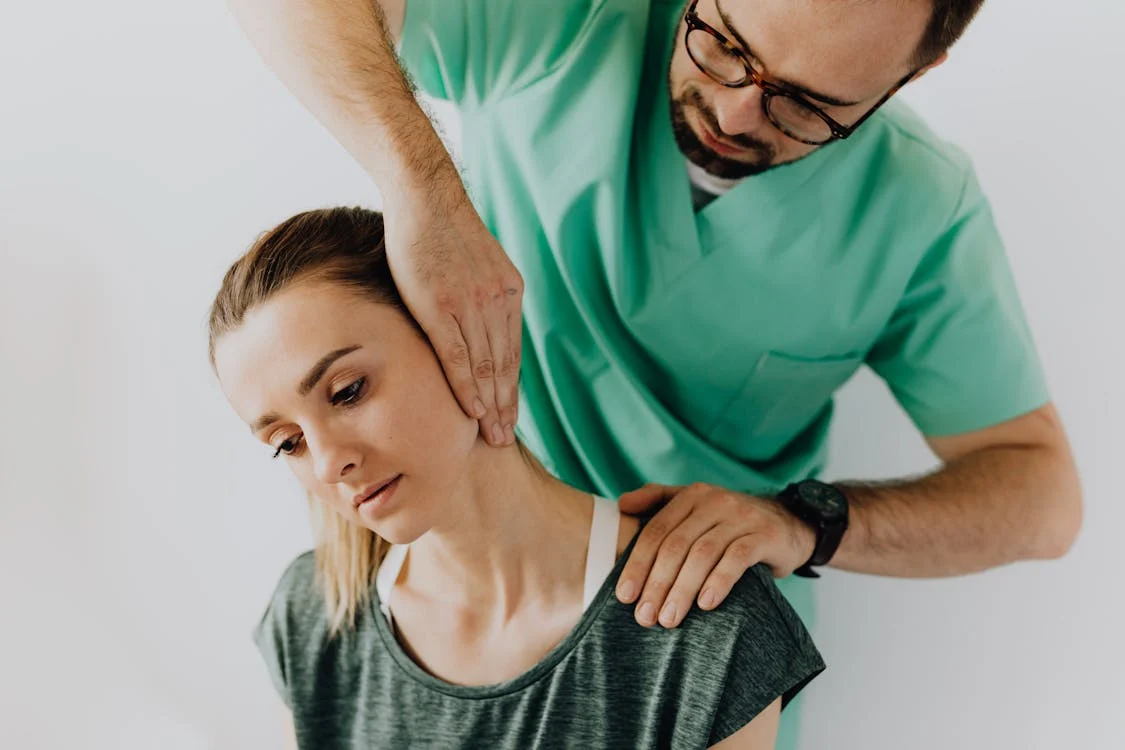
Shoulder injuries and complex joint surgeries demand precise, highly focused care practices to guide tissues through the delicate stages of healing. Whether an individual undergoes a specialized procedure like a reverse shoulder arthroplasty or suffers acute trauma from a fall or contact sport, a structured rehabilitation routine dictates long-term success. Understanding the biological timelines of tissue recovery and implementing careful daily strategies prevents permanent stiffness and restores functional mobility.
Understanding the Foundation of Shoulder Recovery and Healing Phases
Shoulder recovery relies on a predictable biological timeline where damaged soft tissues transition from an acute inflammatory state into organized collagen remodeling. Forcing active movement too early risks disrupting delicate cellular repair, while delayed mobility invites chronic adhesive capsulitis and severe joint stiffness. Physical therapists and orthopedic surgeons carefully structure rehabilitation into distinct progression windows to balance structural protection with progressive mechanical loading. Patients who respect these foundational healing phases give their glenohumeral joint the best chance to regain full stability and strength over time.
Navigating Special Procedures Like Reverse Shoulder Replacement
Reverse shoulder replacement completely alters the natural mechanics of the joint to restore function when traditional arthroplasty is no longer viable due to massive rotator cuff tears. Surgeons attach a prosthetic ball onto the shoulder blade and place a matching plastic socket onto the upper arm bone, inverting the normal ball-and-socket geometry. This specialized surgical approach shifts the center of rotation so that the deltoid muscle can drive arm elevation without depending on a damaged rotator cuff. Because the biomechanical forces acting on the shoulder change so dramatically, postoperative care protocols must specifically retrain the deltoid while protecting the newly anchored implant interface from excessive shear stress.
Daily Living Strategies During the Initial Immobilization Period
Managing basic daily tasks during the initial weeks of sling immobilization requires deliberate modifications to protect the surgical site and maintain personal hygiene. Sleeping flat on a standard mattress places uncomfortable posterior tension on the healing shoulder joint, making an inclined recliner or a supportive arrangement of wedge pillows essential for restful sleep. Dressing becomes much simpler when individuals choose front-closing shirts and button-down garments that eliminate the awkward need to thread elbows through narrow sleeves. Furthermore, setting up temporary grab bars near bathroom fixtures and using long-handled shower sponges allows patients to maintain cleanliness without compromising the neutral position of their sling.
Implementing a Structured Rehabilitation and Physical Therapy Plan
Structured physical therapy provides the backbone of shoulder recovery by guiding patients systematically through the protection, motion, and strengthening phases. The initial protection phase focuses entirely on reducing surgical edema, protecting tissue repairs, and introducing gentle passive range of motion. Once clinical milestones confirm adequate tissue healing, the motion phase introduces active-assisted movements designed to expand functional arcs without triggering sharp muscular guarding. Finally, the advanced strengthening phase employs progressive resistance exercises to rebuild scapular stability and rotator cuff endurance, ensuring the joint can handle everyday physical demands.
Restoring Movement with Gentle Stretches and Rotator Cuff Exercises
Targeted therapeutic movements such as unweighted pendulum swings and wall climbs break down internal scar tissue and restore smooth scapulohumeral rhythm. Pendulum swings utilize gravity to create gentle, passive circular distractions within the joint space, allowing the humerus to glide smoothly without active muscular contraction. As tissue tolerance improves, wall climbs provide a measurable vertical progression where fingers inch upward to expand forward flexion and external rotation limits. Subsequent introduction of resistance band exercises, internal and external rotations, and scapular retractions helps anchor the humeral head securely within its socket during complex daily movements.
Managing Pain, Inflammation, and Setbacks Safely
Effective pain management during shoulder rehabilitation relies on a balanced combination of targeted cryotherapy, physician-guided anti-inflammatory regimens, and functional milestone tracking. Applying cold packs or specialized ice compression wraps for brief intervals helps blunt postoperative nerve signaling and minimizes localized swelling around healing incisions. Patients should measure their recovery progress by tracking subtle functional gains—such as improved reaching distance or reduced daytime fatigue—rather than chasing complete freedom from soreness. Recognizing warning signs like sharp catching pain or sudden swelling flare-ups ensures that individuals can catch potential setbacks before they derail therapy progress.
Returning to Work, Sports, and Daily Activities Gradually
Reintroducing high-demand occupational duties or recreational sports requires a calculated, incremental transition to prevent sudden joint overloading and recurrent injury. Patients must objectively evaluate their shoulder stability against the specific physical torque and elevation requirements of their chosen activity before returning to full participation. For individuals seeking guidance on maintaining broader physical health and conditioning after overcoming musculoskeletal challenges, exploring resources on physical therapy for athletes can offer valuable insights into long-term injury prevention. Respecting bodily feedback and preserving proper biomechanical form ensure that hard-won rehabilitation gains translate into permanent, injury-resistant shoulder health.
Frequently Asked Questions
How long does a typical shoulder recovery take after surgery?
Most patients require several months of consistent physical therapy, with basic daily function returning around three to six months and full recovery taking up to a full year.
Why is a sling required after reverse shoulder replacement?
A sling protects the newly positioned joint components and allows the surrounding soft tissues and bone interfaces to heal without premature movement or tension.
When can I start sleeping flat on my bed after shoulder surgery?
Many surgeons recommend sleeping in a recliner or propped up with pillows for the first four to six weeks to reduce pressure and swelling before transitioning to a flat mattress.
Are gentle exercises safe during the early protection phase?
Yes, pendulum swings and passive range-of-motion movements prescribed by a physical therapist are designed to prevent stiffness without straining healing tissues.
What signs indicate that I am pushing my shoulder too hard during rehab?
Sharp pain, increasing swelling, or a regression in your ability to perform prescribed movements are clear signs that you should pause and consult your therapist.
Can shoulder care practices prevent the need for future surgeries?
Proper rehabilitation, consistent rotator cuff strengthening, and avoiding repetitive overload can significantly reduce wear and tear, helping prevent future joint complications.
Disclaimer: The information provided in this article is for educational purposes only and should not replace professional medical advice, diagnosis, or treatment. Always consult qualified healthcare providers regarding any medical condition, surgical recovery plan, or rehabilitation protocol. Details may change as clinical standards evolve, so readers should verify final information from official sources.

Daniel J. Morgan is the founder of Invidiata Magazine, a premier publication showcasing luxury living, arts, and culture. With a passion for excellence, Daniel has established the magazine as a beacon of sophistication and refinement, captivating discerning audiences worldwide.


[…] broader rehabilitation strategies and joint maintenance, reviewing resources such as our guide on shoulder care practices and rehabilitation provides valuable context on protecting upper-body […]