

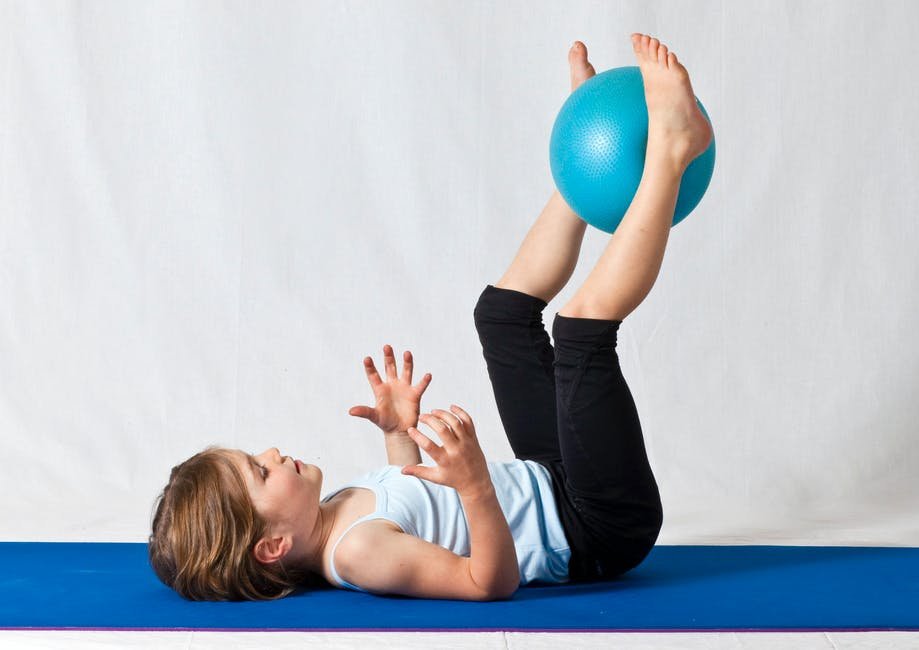
Envision your child gracefully balancing on a beam or executing a joyful somersault. Gymnastics is much more than pure physical strength.
It shapes confidence, supports early motor planning, and builds emotional resilience during formative years. Guiding a young child into youth sports can feel exciting and overwhelming all at once.
Understanding class structures, facility standards, and toddler behaviors helps families navigate this introductory stage with confidence and realistic expectations.
Navigating Toddler and Preschool Class Structures
Early childhood gymnastics classes are carefully structured around play-based exploration, short attention spans, and social interaction rather than rigorous training.
When children enter a gym for the first time, instructors typically organize sessions into open exploration circuits, group warm-ups, and guided station rotations. Toddler classes, often designed for ages eighteen months to three years, require parental participation on the floor to help guide little hands and feet. Preschool classes for ages three to five gradually introduce independent participation while keeping instruction playful and fast-paced. Coaches transition children quickly between activities like balancing on low foam beams, rolling down soft incline mats, and hanging briefly from low bar stations to match their natural energy levels.
Separation anxiety and wandering attention are standard behaviors for this age group. Professional instructors expect these developmental traits and handle them patiently without making children or parents feel rushed or uncomfortable.
Evaluating Safety and Standards in Local Youth Programs
Choosing the right gymnastics facility requires careful attention to coach credentials, equipment scaling, and class size limits.
Parents should look for programs staffed by instructors who hold recognized youth coaching certifications and safety credentials. Equipment in preschool areas must be specifically scaled down for smaller bodies, featuring soft foam shapes, lower bars, and wide mats that minimize impact risks. Instructor-to-student ratios should remain small, ideally keeping around six to eight children per coach for toddlers to ensure attentive supervision. Asking facility directors about their cleaning protocols and safety guidelines provides additional peace of mind before enrolling.
Establishing a supportive routine also means listening to your child’s physical cues and mental readiness. If a child expresses fatigue or reluctance, taking a break prevents burnout and keeps athletics enjoyable.
Translating Basic Movements Into Lifelong Physical Literacy
Physical milestones in early gymnastics occur naturally through dynamic play that builds core stability, spatial awareness, and bilateral coordination.
The following table highlights foundational movements practiced in beginner classes and the physical benefits they provide to growing children.
| Movement Activity | Primary Physical Focus | Developmental Benefit |
| Animal Walks (Bear/Crab) | Upper body and core strength | Enhances bilateral coordination and shoulder stability |
| Low Beam Balance | Vestibular and proprioceptive systems | Improves spatial awareness and dynamic balance |
| Forward and Backward Rolls | Spinal flexibility and vestibular adaptation | Teaches safe falling techniques and spatial orientation |
| Hanging From Low Bars | Grip strength and upper body endurance | Builds scapular control and foundational arm power |
Parents can easily reinforce these skills outside the studio through creative active play at home. Incorporating animal walks across the living room floor or practicing single-leg balance games makes strength-building fun and accessible.
Fostering Emotional Resilience and Mental Growth
Emotional maturity develops steadily as children learn to manage minor frustrations, such as a temporary balance wobble or a challenging new stretch.
Gymnastics naturally presents small physical hurdles that require patience and perseverance to overcome. When coaches and parents reframe a fall or a missed skill as a normal learning step, children learn to view setbacks constructively rather than emotionally. Achieving incremental milestones, such as crossing a beam independently, builds genuine self-esteem and pride. This supportive environment mirrors broader developmental guidance, similar to how parents encourage healthy developmental milestones across everyday childhood activities.
Celebrating progress over perfection helps young minds develop a positive attitude toward physical fitness and personal growth.
Frequently Asked Questions
What age should a child start recreational gymnastics?
Many gyms offer parent-and-tot classes starting around walking age, typically between eighteen months and three years old, focusing on sensory exploration.
How should parents handle separation anxiety on the first day?
Arriving early to let your child adjust to the gym environment helps ease jitters, and many toddler programs welcome parents to stay close by or participate.
Do home practice sessions require specialized equipment?
No expensive gear is necessary at home; simple bodyweight movements, soft pillows for tumbling, and safe open floor space are more than enough.
What is the ideal class frequency for a small child?
Attending class once a week is standard for toddlers and preschoolers, keeping the activity fun and preventing physical or mental fatigue.
Are gymnastics movements safe for growing joints?
Recreational preschool classes emphasize low-impact play, natural flexibility, and basic coordination, making them safe and beneficial for growing bodies.
What is the best attire for a beginner gymnastics class?
Comfortable, form-fitting athletic wear such as a leotard or flexible shorts and a fitted t-shirt is ideal to prevent clothing from catching on equipment.
This overview provides general educational guidance for families exploring youth athletics. Because facility policies and local program structures vary, parents should always verify specific safety protocols and class offerings directly with official athletic providers.


