

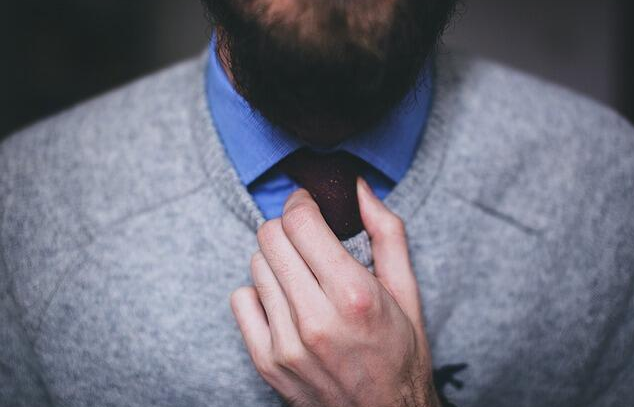
Dressing for a formal evening requires more than simply throwing on a tuxedo jacket and a matching pair of trousers.
When curating an ensemble centered around black ties for men, every single hardware choice, fabric texture, and structural layer contributes to your overall presentation. The margins for error in classic evening wear are remarkably narrow, meaning minor details like the drape of your neckwear or the finish of your shoe leather carry massive weight. Whether you are stepping out for a high-stakes gala, a formal winter wedding, or an awards ceremony, mastering these accessories ensures you look effortlessly refined rather than costume-bound.
Mastering the Foundation: The Bow Tie Choice
Selecting the right bow tie is the single most important step when building a traditional black tie silhouette.
The traditional black bow tie remains the indisputable centerpiece of formal attire, typically woven from rich silk barathea or fine faille to catch ambient light just right. While pre-tied alternatives offer undeniable convenience for beginners, purists universally favor self-tie options because they yield an organic, slightly asymmetrical knot that breathes life into the outfit. A hand-tied fabric band conforms naturally to your collar shape, whereas a factory-set clip or permanent band often looks rigid and uninspired. For modern winter galas, subtle textures like micro-patterns or fine velvet are occasionally welcomed, provided the tone remains a deep, light-absorbing black.
Waist Coverings: Cummerbund vs. Waistcoat
Managing your torso silhouette requires choosing a proper waist covering to bridge the visual gap between your shirt and trousers.
The classic cummerbund acts as a pleated silk sash worn with the pleats facing upward, a design choice historically said to catch theater ticket stubs or small keepsakes. This accessory creates a seamless transition from your white shirt front down into the high-waisted line of your trousers, preventing an unsightly gap of white fabric from peeking out beneath your jacket button. Alternatively, a low-cut evening waistcoat fashioned from the same wool as your tuxedo offers a more structured, heritage-inspired silhouette. Traditional evening protocol strictly demands choosing either a cummerbund or a waistcoat, and wearing a traditional leather belt with either option is considered a major sartorial misstep.
The Dress Shirt and Studs Detail
A proper formal evening shirt relies on specialized front closures and high-count cotton rather than standard everyday buttons.
Your foundation must be a crisp, high-count cotton dress shirt featuring either a structured wing collar or a sharp spread collar designed to frame your bow tie securely. Instead of basic plastic button closures down the placket, formal evening shirts utilize buttonholes on both sides to accommodate decorative studs. These removable studs are traditionally crafted from materials like polished black onyx or iridescent mother-of-pearl, matching the tone of your cufflinks. Paired with a pleated or marcella bib front, these hardware details elevate the shirt from standard business wear into true evening attire.
Cufflinks, Watches, and Metal Coordination
Coordinating your metallic accessories prevents visual clutter and maintains a cohesive aesthetic across your entire upper body.
Your shirt studs and French cuff fasteners should share the exact same metal finish and material family, whether you prefer polished sterling silver, white gold, or subtle yellow gold. Introducing competing metal tones creates unnecessary distraction in an otherwise minimalist dress code. When selecting a timepiece, leave bulky sports watches and metal bracelets at home in favor of a slim mechanical dress watch. A clean white dial housed in a thin case and secured by a plain black leather strap provides understated elegance while keeping you punctual for the evening’s events.
Finishing Touches: Pocket Squares and Footwear
The final tier of your outfit relies on crisp pocket squares and immaculate shoes to ground your proportions.
A pocket square tucked into your jacket breast pocket adds a touch of individual polish without overwhelming the monochrome palette. While a clean white silk or linen square folded in a sharp presidential fold is the safest and most traditional route, subtle tonal textures can add depth if kept understated. Down below, your footwear must be exceptionally polished, with patent leather oxfords serving as the undisputed gold standard for evening wear. Keeping these shoes free of scuffs and dust completes the sharp, reflective lines of your tuxedo trousers.
To understand how broader style choices intersect with seasonal outfits, you can read more about broad trends in men’s fashion.
Common Black Tie Accessory Mistakes to Avoid
Navigating formal events successfully involves steering clear of several common mistakes that disrupt your presentation.
One frequent error is fastening a standard leather belt around tuxedo trousers, which clashes directly with the purpose of a cummerbund or waistcoat. Another pitfall is leaning into overly bright colors, flashy novelty socks, or oversized jewelry that draws attention away from the clean lines of your tailoring. Finally, neglecting basic grooming or stepping out in matte work shoes will immediately undermine an otherwise expensive tuxedo. Taking the time to assemble your accessories with patience ensures you project absolute confidence.
Frequently Asked Questions
Can I wear a colored necktie to a black tie event?
Traditional black tie protocol strictly requires a black bow tie, and deviating into brightly colored neckwear violates classic formal codes.
Is a cummerbund or waistcoat mandatory?
Yes, a waist covering is traditionally required to hide the transition between your shirt and trousers, preventing an awkward gap of white fabric.
What shoes should I wear with a tuxedo?
Patent leather oxfords or traditional court pumps are the correct footwear choices, whereas standard leather work shoes are far too casual.
Can I wear a metal watch bracelet with formal attire?
Metal watch bracelets are generally considered too heavy and casual for evening wear, making a slim leather strap much more appropriate.
Are pocket squares required for formal outfits?
While not strictly mandatory, a simple white silk or linen pocket square adds polish and completes the upper chest portion of your jacket.
Should my cufflinks match my shirt studs?
Yes, your cufflinks and shirt studs should match in both metal tone and material finish to create a unified and deliberate look.
Disclaimer: Formal dress codes can vary based on specific event invitations and evolving sartorial norms. Readers should verify final attire expectations with event hosts or official guidelines before attending.


