

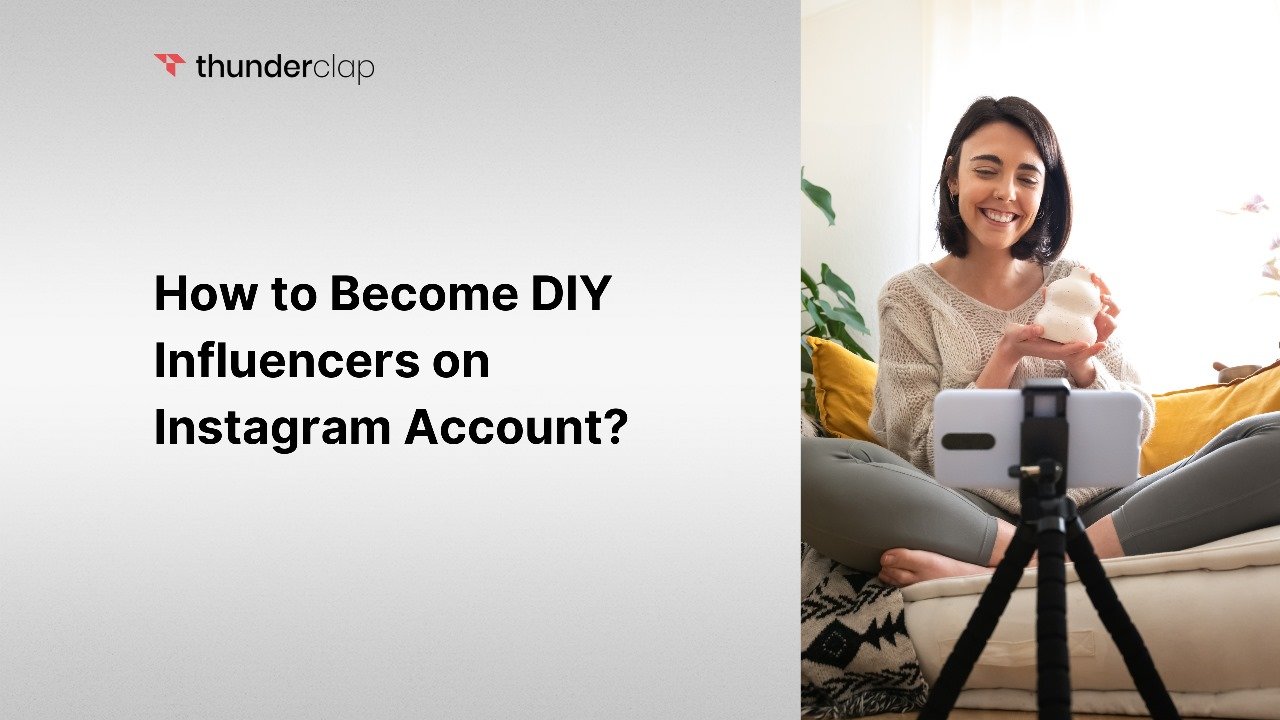
If you are the one who took student school projects too seriously and turned every craft challenge into an ambitious upcycling mission, then this guide is for you. Many creators find their calling through a genuine passion for transforming discarded materials, building custom home goods, and championing sustainable living practices.
Take your journey from a weekend craft hobbyist to a recognized DIY influencer.
Modern DIY creators utilize Instagram to document their design process, build loyal follower bases, and collaborate with home improvement brands worldwide. Transitioning from a casual hobbyist to a dedicated creator requires more than just raw crafting talent; it demands a clear strategy for content presentation, community engagement, and consistent digital branding.
Finding Your Niche And Defining Your Upcycling Aesthetic
Defining a distinct creative niche and a recognizable visual style is the foundational step for anyone trying to stand out in the crowded DIY space.
Instead of posting random crafts that span dozens of unrelated categories, successful creators typically anchor their accounts to a specific focus area, such as vintage furniture flipping, thrift store clothing makeovers, minimalist woodworking, or budget home styling. When potential followers land on your profile, your grid should immediately communicate what kind of projects you create. Consistent lighting, cohesive color palettes, and a signature way of filming your workspace help build an immediate brand identity that people recognize the moment your posts cross their feeds.
Structuring Craft Tutorial Filming And Multi-Clip Editing
Producing engaging DIY content requires breaking down complex physical processes into clear, visually satisfying short-form videos.
The best crafting videos combine a strong visual hook in the first three seconds—such as showing the finished, polished furniture piece before rewinding to the damaged ‘before’ state—with fast-paced editing that keeps viewers watching through to the final reveal. Detailed projects benefit from multi-clip storytelling where you demonstrate measuring, cutting, assembling, and troubleshooting in concise, digestible segments. Using clear voiceovers to explain your tools, safety precautions, and material choices adds immense value, helping viewers successfully replicate your projects at home.
Mastering Instagram’s Algorithm And Growth Features
Leveraging native platform features helps maximize your content reach and organically connects your work with new audiences interested in crafting and home renovation.
Instagram Reels remain the primary driver for account discovery, meaning your tutorial clips should be optimized for vertical viewing and high retention. Beyond standalone reels, utilizing the Collaboration feature allows you to co-author posts with fellow creators, instantly exposing your work to their follower community. Furthermore, taking advantage of interactive elements like polls and question stickers in your Stories helps gauge what tutorials your audience wants to see next, while SEO-friendly captions packed with descriptive crafting keywords help surface your posts in search results. For a deeper look at expanding your reach through short-form video formats, check out our guide on why Instagram reels matter for modern creators.
Collaborating With Brands And Selling Digital Craft Patterns
Turning a growing DIY account into a sustainable venture involves forging smart partnerships and diversifying your income streams beyond basic ad revenue.
As your follower count and engagement rates rise, paint companies, tool manufacturers, and craft supply brands will look for creators who can authentically showcase their products in real-world projects. Always disclose sponsored partnerships clearly to maintain trust with your audience. Beyond brand sponsorships, many DIY influencers monetize their expertise by selling digital woodworking plans, sewing patterns, or curated material supply lists through link-in-bio storefronts, creating a reliable secondary income that rewards their hard work.
Frequently Asked Questions About DIY Influencing
What tools do I need to start as a DIY influencer?
You do not need an expensive workshop right away, but you do need a smartphone with a steady tripod, good lighting, and the basic hand tools required for your specific craft.
How often should I post on Instagram to grow my account?
Consistency matters more than daily posting; aiming for three to four high-quality Reels per week gives the algorithm enough data while protecting you from creative burnout.
Should I buy Instagram followers to speed up my growth?
Purchasing followers is strongly discouraged because fake accounts destroy your engagement rate and prevent you from building a genuine, monetizable community.
How do I handle negative comments on my tutorials?
Constructive feedback helps you improve your techniques, but you can easily hide abusive comments or restrict unhelpful users to keep your community space positive.
Can I make a full-time income as a DIY influencer?
Yes, many creators combine brand sponsorships, affiliate commissions for craft supplies, and digital product sales to earn a sustainable living.
What is the best way to get noticed by brands?
Consistently tag relevant companies in your project posts, use their products creatively, and put together a professional media kit showcasing your engagement metrics.
Disclaimer: Social media algorithms and platform features change frequently. Aspiring creators should verify current platform guidelines and monetization rules directly from official creator resources before launching new campaigns.


