

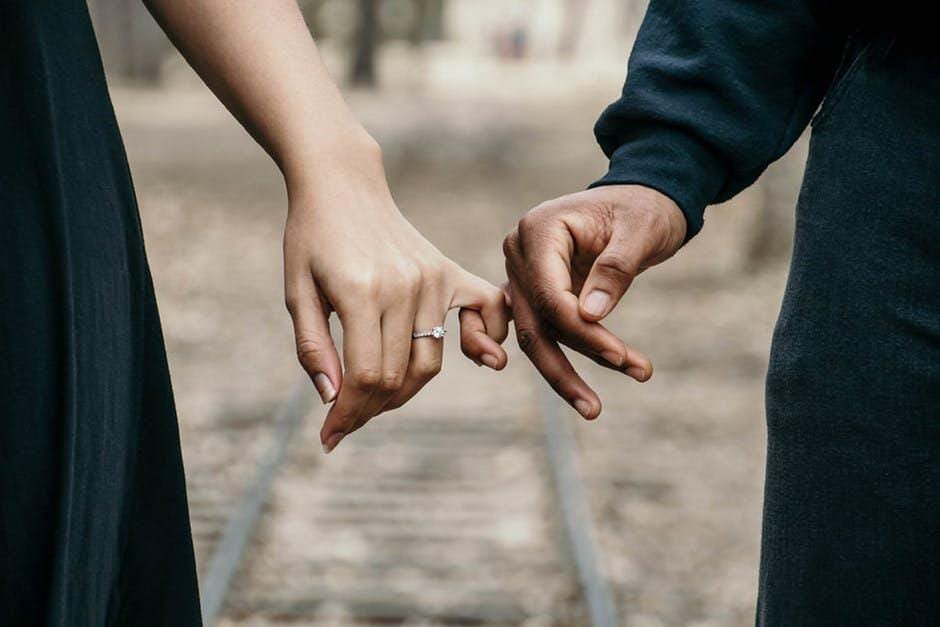
Are you getting ready to propose to the love of your life, but feeling completely overwhelmed by the jewelry counter? Selecting a diamond engagement ring is a major milestone that requires balancing emotional meaning with practical considerations. Remember that the process is entirely about capturing your partner’s individual essence rather than following rigid traditions.
Navigating this decision becomes much easier when you break down the process into manageable, logical steps. By the time you finish reading this guide, you will have all the clarity you need to select a ring that your partner will proudly wear every single day.
Evaluating Personal Style and Everyday Habits
Evaluating personal style and everyday habits ensures the chosen ring complements your partner’s daily routine without causing discomfort or snagging on clothing. Take a close look at the jewelry your partner already wears to determine if they favor sleek minimalist bands, intricate vintage detailing, or bold statement designs. Notice whether they gravitate toward cool silver tones or warm yellow metals in their existing accessories.
You should also factor in their professional and recreational activities when planning the physical silhouette of the jewelry piece. If your partner works extensively with their hands, an ultra-low profile mounting or a smooth protective band prevents unnecessary wear and tear. Discussing style preferences discreetly with their close friends or family members can also provide invaluable insider clues.
Mastering the Fundamentals of Diamond Quality
Mastering the fundamentals of diamond quality gives you an objective framework for comparing stones based on cut, color, clarity, and carat weight. These four standardized grading criteria dictate how brilliantly a gemstone catches the light and ultimately determine its overall market value.
The cut grade is often considered the most critical factor because a precise geometric facet arrangement maximizes sparkle and brilliance. Color grading assesses how colorless a natural or laboratory-created stone appears, while clarity measures internal microscopic inclusions and surface blemishes. To explore stone proportions further, you can read our guide on how to pick the right diamond cut for you to match specific facet patterns with different hand shapes.
Weighing Lab-Grown and Mined Diamond Choices
Weighing lab-grown and mined diamond choices allows modern buyers to align their purchase with personal ethics, origin narratives, and financial budgets. Chemically, physically, and optically, both diamond types are entirely identical and share the exact same durability and fire.
Mined diamonds form deep within the earth over millions of years and move through traditional global supply chains, whereas lab-grown stones are cultivated in controlled technological environments. Because laboratory-created diamonds typically offer significantly lower price points for equivalent carat sizes, buyers can often opt for larger stones or allocate funds toward other life milestones. To examine these modern market choices in greater detail, review our analysis on lab-grown diamond options for couples today.
Navigating Ethical Sourcing and Traceable Provenance
Navigating ethical sourcing and traceable provenance ensures your engagement ring investment supports responsible labor practices and environmental stewardship. Many contemporary jewelry houses now provide certified origin documentation that tracks a natural diamond from its rough mine of origin through to final polishing.
For buyers prioritizing conflict-free assurance, industry frameworks like the Kimberley Process help regulate rough diamond trade and prevent illicit stones from entering the market. Asking jewelers for transparent supply chain audits gives you absolute peace of mind regarding the human and environmental impact of your purchase.
Selecting Settings, Alternative Stones, and Metals
Selecting settings, alternative stones, and precious metals allows you to customize the ring structure for maximum security and visual appeal. Prong settings elevate the center diamond to let maximum light enter from all angles, while bezel settings wrap a continuous rim of metal around the gemstone for secure, snag-free protection.
If your partner prefers a unique aesthetic rather than a traditional white diamond, durable alternative center stones like sapphires, rubies, or moissanite offer exceptional hardness for daily wear. You can also pair these center stones with precious metals like platinum, white gold, yellow gold, or rose gold based on skin tone and lifestyle durability.
Frequently Asked Questions About Engagement Rings
How can I find my partner’s ring size in secret?
You can discreetly borrow an existing ring that your partner wears on their left ring finger and have a professional jeweler measure it. Alternatively, you can press the ring into a small bar of soap or trace its inner circumference on a piece of paper.
Should we shop for the engagement ring together?
Many modern couples choose to shop together so the recipient has direct input on stone shape, metal type, and ring size. If you prefer a traditional surprise proposal, you can propose with a simple temporary placeholder ring and design the final piece together afterward.
Are lab-grown diamonds less expensive than natural diamonds?
Yes, lab-grown diamonds typically cost significantly less than natural mined diamonds of comparable carat weight, color, and clarity. This price difference allows buyers to prioritize larger stone dimensions or reallocate funds toward a wedding and honeymoon.
What metal is best for daily engagement ring wear?
Platinum is widely regarded as the most durable and dense metal for engagement rings because it displaces metal rather than losing weight when scratched. Gold is also extremely popular, though white gold requires periodic rhodium replating to maintain its bright silver finish.
How do I protect my engagement ring after purchase?
Insuring your engagement ring through a dedicated jewelry insurance policy or a homeowner’s insurance rider protects against accidental loss, theft, and damage. You should also take the ring to a professional jeweler annually to inspect the prongs and clean the setting.
Can I use a non-diamond gemstone for an engagement ring?
Many individuals choose alternative gemstones like sapphires, emeralds, or moissanite to express a distinct personality and colorful style. When selecting a non-diamond stone, always check its rating on the Mohs hardness scale to ensure it withstands lifelong daily wear.
Disclaimer: Jewelry pricing structures, market availability, and grading standards can change over time. Readers should verify final product specifications, return policies, and certification details directly with authorized jewelers and gemological laboratories before finalizing any purchase.


