

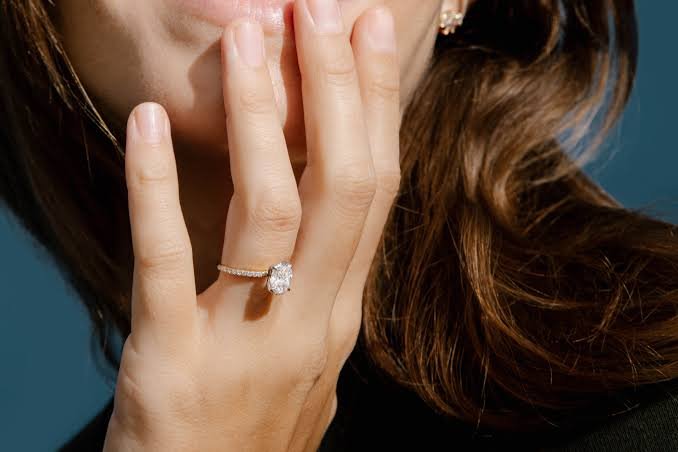
When planning a proposal, selecting the center stone is often the most significant decision a couple makes together. Traditionally, mined earth stones held a near-monopoly on wedding jewelry, but modern technology has firmly established lab-grown diamonds as a mainstream alternative. Many shoppers now wonder what makes these man-made gems so appealing and whether they deserve a spot on the finger for a lifetime commitment. By looking closely at how lab-grown stones are produced, how they compare economically, and what value they hold over time, buyers can make an informed choice.
How HPHT and CVD Methods Replicate Carbon Crystallization
Lab-grown diamonds are authentic carbon crystals created in controlled laboratory settings using advanced technological processes that replicate natural geological formation.
Despite being cultivated in weeks rather than forming over billions of years beneath the earth’s crust, synthetic stones share the exact same physical, chemical, and optical characteristics as mined gems. Two primary methods dominate production: High-Pressure High-Temperature (HPHT) and Chemical Vapor Deposition (CVD). Both techniques start with a tiny diamond seed and subject carbon sources to extreme conditions until a full gemstone forms. Gemologists and advanced testing equipment cannot tell the difference between the two origins with the naked eye.
Comparing Lab-Grown and Mined Stones Side by Side
Examining the core differences between the two stone types clarifies why modern consumers weigh their options so carefully.
| Feature | Lab-Grown Diamonds | Natural Diamonds |
| Formation | Grown in a laboratory in weeks | Formed in the earth over billions of years |
| Pricing | Significantly more affordable upfront | Higher cost due to extraction limits |
| Resale Value | Minimal to zero resale or trade-in value | Retains a percentage of its original price |
| Grading | Graded by the 4Cs using identical standards | Graded by the 4Cs using identical standards |
| Identification | Requires specialized magnification or testing | Requires specialized magnification or testing |
Understanding Upfront Savings Versus Resale Realities
Lab-grown diamonds offer substantial upfront cost savings compared to mined stones of identical carat weight, color, and clarity grades.
Because production scaling has increased supply efficiency, synthetic stones often cost a fraction of what an earth-mined diamond commands, allowing buyers to purchase a much larger or higher-clarity stone within the same budget. However, buyers should understand the resale reality. While mined diamonds retain a portion of their value on the secondary market, lab-grown diamonds currently hold very little resale or trade-in value at most retail jewelers. Anyone who views an engagement ring as a long-term liquid investment needs to factor this economic divergence into their purchasing decision.
Assessing Environmental Footprints and Mining Impacts
Lab-grown diamonds appeal strongly to eco-conscious consumers who want to avoid the complicated supply chains and ecological disruption associated with traditional heavy mining.
Producing stones in a controlled facility eliminates many labor and environmental concerns, though facilities do require a significant amount of electricity to maintain high operating temperatures and pressures. At the same time, the ethical diamond industry has introduced strict certification programs like the Kimberley Process to ensure responsible sourcing. For those exploring different styles or alternative center stones, reviewing a guide on how to pick the right diamond cut for you can help narrow down personal preferences regardless of stone origin.
Decoding Independent Gemological Grading and the 4Cs
Lab-grown diamonds are graded using the exact same international standards as natural stones, known as the 4Cs: cut, color, clarity, and carat weight.
Reputable independent gemological laboratories, such as the International Gemological Institute (IGI) or the Gemological Institute of America (GIA), issue detailed grading reports for lab-created stones just as they do for mined ones. These certificates verify the quality metrics of the gem and often laser-inscribe a tracking number on the stone’s girdle. Buyers should always insist on an independent certificate before purchasing any significant diamond online or in-store.
Evaluating Retailers and Verifying Gemstone Pricing
Purchasing a center stone requires utilizing trustworthy retailers who provide transparent pricing, secure shipping, and verified certification documents.
Online marketplaces and specialized brick-and-mortar jewelers now compete vigorously for engagement ring shoppers, making it easier than ever to inspect high-resolution imagery and compare loose stones side by side. Before finalizing any purchase, savvy shoppers often research market trends and how to check diamond prices like a pro to ensure they are getting a fair deal on their selected setting and diamond combination.
Final Thoughts on Choosing Your Engagement Ring Stone
Deciding whether to buy a lab-grown diamond for an engagement ring ultimately comes down to personal values, budget flexibility, and long-term sentiment.
Both options offer breathtaking beauty, incredible durability, and a meaningful representation of commitment. Whether a couple prefers the romantic scarcity of a billion-year-old earth-mined gem or the modern value and ethical clarity of a lab-created stone, the right choice is the one that best reflects their shared story.
Frequently Asked Questions
Are lab-grown diamonds real diamonds?
Yes, lab-grown diamonds are real diamonds consisting of pure crystallized carbon with the exact same physical, chemical, and optical properties as natural diamonds.
Can a jeweler tell if a diamond is lab-grown?
A jeweler cannot tell the difference with the naked eye, but they can easily identify lab-grown diamonds using specialized gemological screening equipment that detects growth patterns or laser inscriptions.
Do lab-grown diamonds get cloudy over time?
No, lab-grown diamonds maintain their brilliance and clarity indefinitely, just like natural diamonds, because they share the same hardness and resistance to scratching.
Why are lab-grown diamonds so much cheaper?
Lab-grown diamonds are more affordable because production cycles take only weeks in a controlled environment, allowing supply to scale much faster than earth mining allows.
Do lab-grown diamonds hold their resale value?
No, lab-grown diamonds generally do not retain significant resale or trade-in value on the secondary market due to falling production costs and increasing supply.
Are lab-grown diamonds environmentally friendly?
While they avoid the heavy land disruption of traditional mining, lab-grown diamond production requires substantial energy input, though many facilities are transitioning to renewable power sources.
Disclaimer: Diamond market pricing, industry standards, and retail policies evolve rapidly over time. Readers should independently verify current gemological grading reports, pricing structures, and return policies from official jeweler sources before making a final purchasing decision.

Passionate content writer and savvy blog publisher, Aamir crafts compelling stories and insightful articles that captivate and inform. With a knack for blending creativity and strategy, they bring fresh perspectives to every piece. Dive into their world of words and discover content that resonates.


[…] regarding resale value, sustainability, and initial investment. Many buyers explore different lab-grown diamond options to maximize visual impact while staying strictly within their target price […]
[…] market value and spot competitive deals. For buyers exploring modern alternatives, looking into lab-grown diamond options can also provide substantial financial savings without sacrificing physical beauty or structural […]
[…] When shoppers compare these natural earth-mined marvels with laboratory creations, exploring lab-grown diamond options helps highlight the distinct tactile and optical differences found in […]
[…] For those seeking alternative stone options without traditional diamond pricing, exploring lab-grown diamond options provides another viable path to achieving maximum sparkle on a […]
[…] on alternative diamond configurations and buying strategies, readers can explore our guide on lab-grown diamond options to better understand current market […]
[…] For additional perspective on how engineered center stones compare to traditional options, readers can explore this perspective on modern synthetic center stones. […]